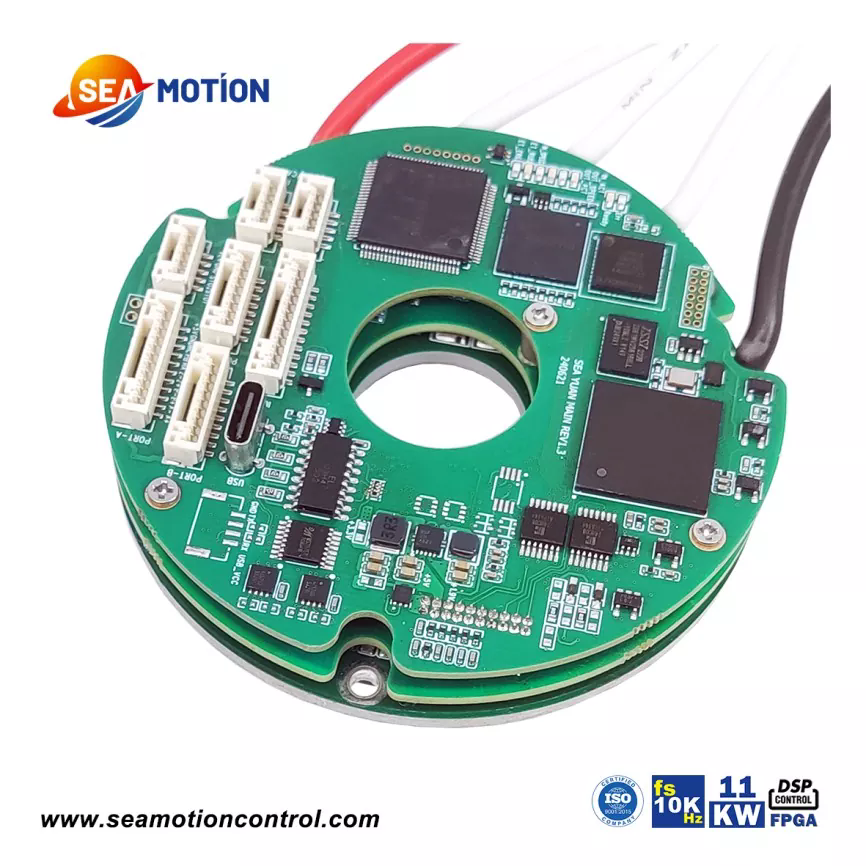
A Micro Servo Drive is a compact but powerful motion control solution designed to provide accurate positioning, fast response, and reliable operation for modern automation systems. As industries continue to demand smaller equipment sizes, higher efficiency, and greater precision, traditional motion control methods often struggle to meet these requirements. Micro servo drives solve many of these challenges by integrating advanced control technology into a space-saving design.
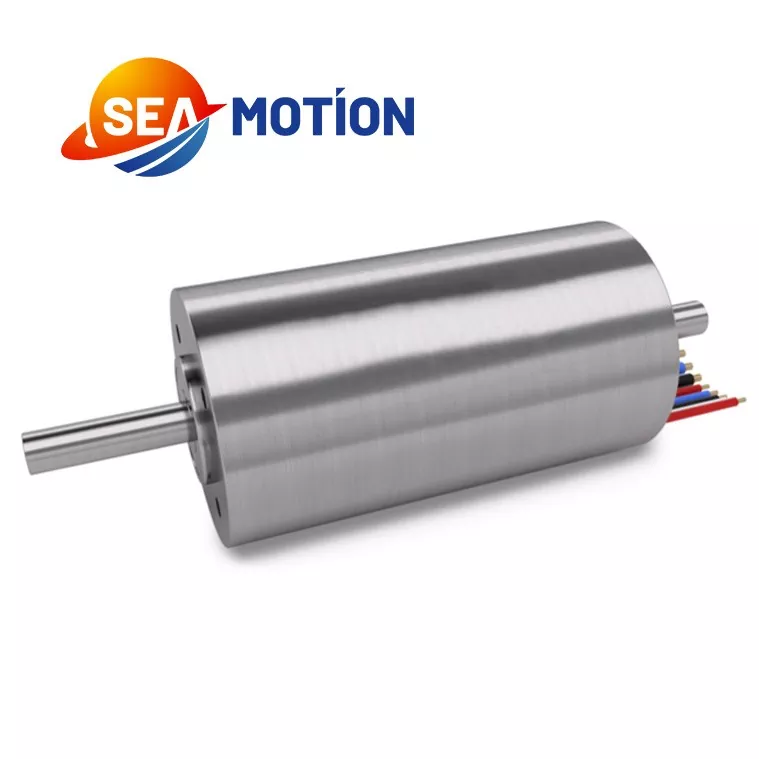
In high-precision motion control applications, traditional iron-core micro motors frequently encounter massive performance bottlenecks. Engineering teams developing surgical robotics, industrial dexterous hands, drone stabilizers, and aerospace micro-servos often battle against high rotor inertia, heavy thermal accumulation, and structural vibrations at low velocities. If a drive system suffers from non-linear speed fluctuations or severe core losses, it can ruin the synchronization of automated lines, compromise surgical accuracy, and reduce the operational efficiency of premium systems.
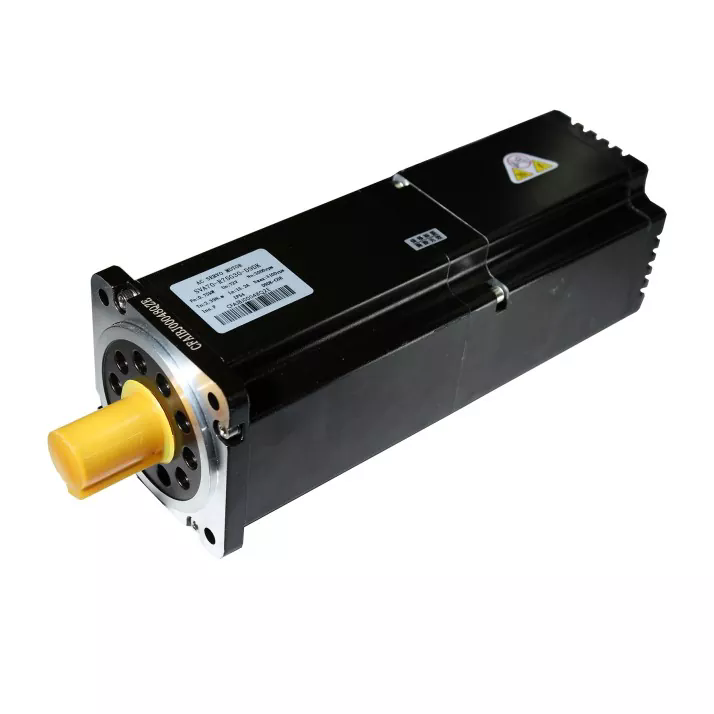
Integrated DC servo motors combine a motor, driver, controller, and feedback system into one compact motion solution. This innovative design helps manufacturers overcome challenges such as complicated wiring, limited installation space, unstable motion accuracy, and high maintenance costs. This article explains how an integrated DC servo motor works, why it is becoming an important choice for modern automation systems, and how SEA MOTION provides reliable motion control solutions for different industrial applications.
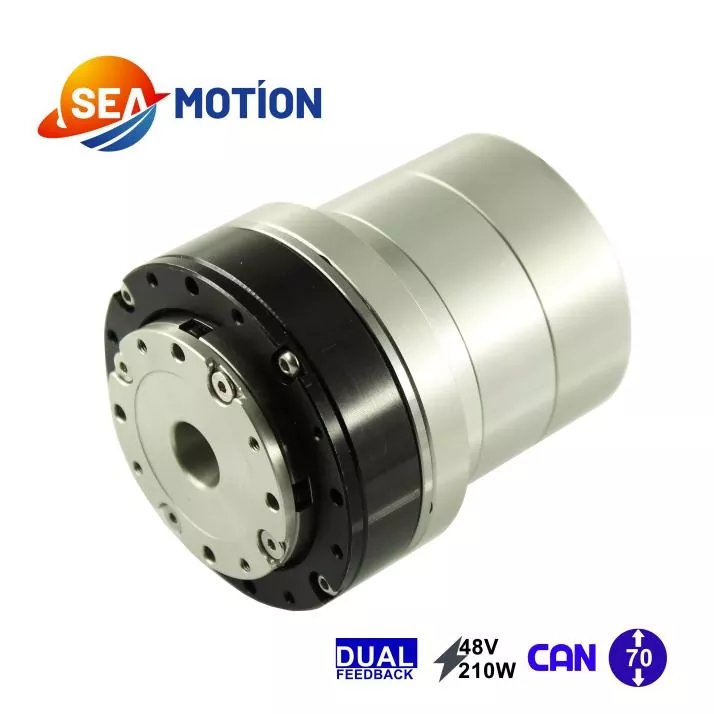
The global robotics industry is experiencing an unprecedented surge, driven by rapid advancements in humanoid robots, quadrupeds (robot dogs), and collaborative arms (cobots). For robotics R&D teams and sourcing managers, designing high-performance joints from scratch is a significant bottleneck. Standard component selection, alignment engineering, and driver miniaturization can delay time-to-market by months.
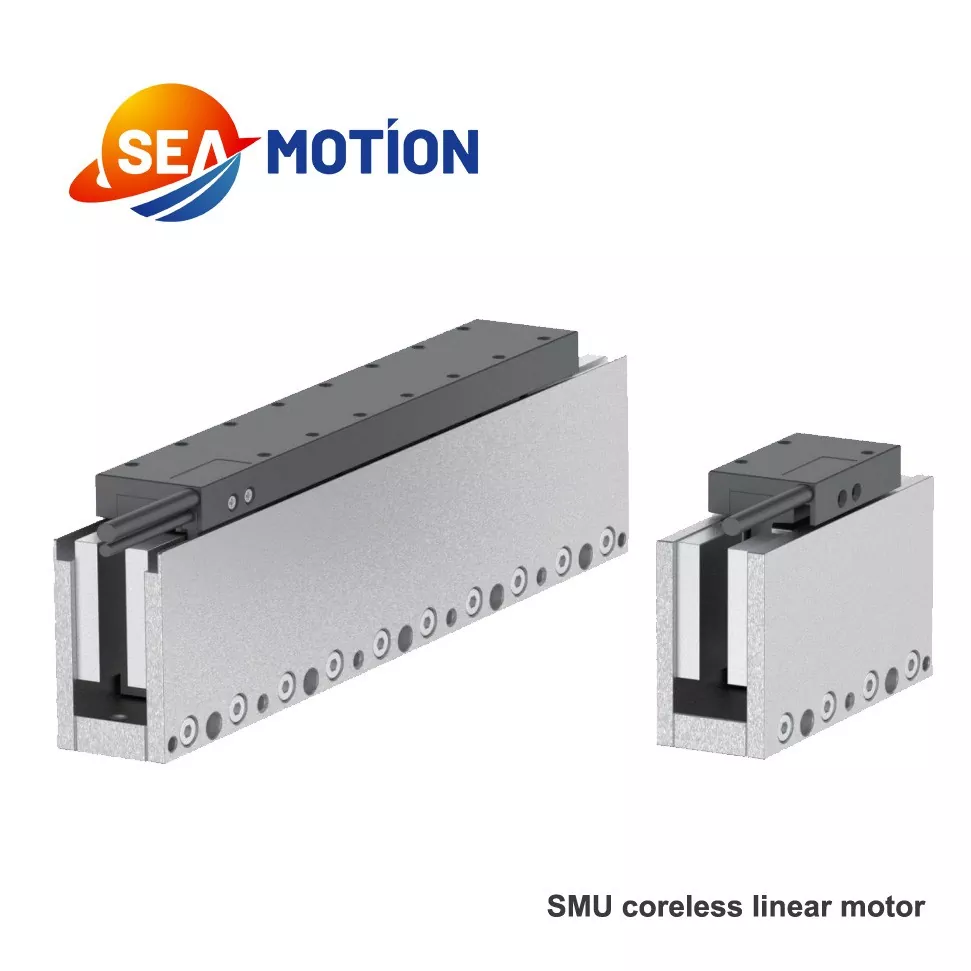
In the rapidly evolving landscape of high-end precision motion control, traditional mechanical transmission components like ball screws and belts are facing strict performance bottlenecks. As automated manufacturing demands faster cycles and nanometer-level accuracy, global sourcing managers and automation engineers are turning to advanced direct-drive technologies.
We use cookies to offer you a better browsing experience, analyze site traffic and personalize content. By using this site, you agree to our use of cookies. Privacy Policy


 05 2026-08
  30 2026-07
  29 2026-07
  28 2026-07
  28 2026-07