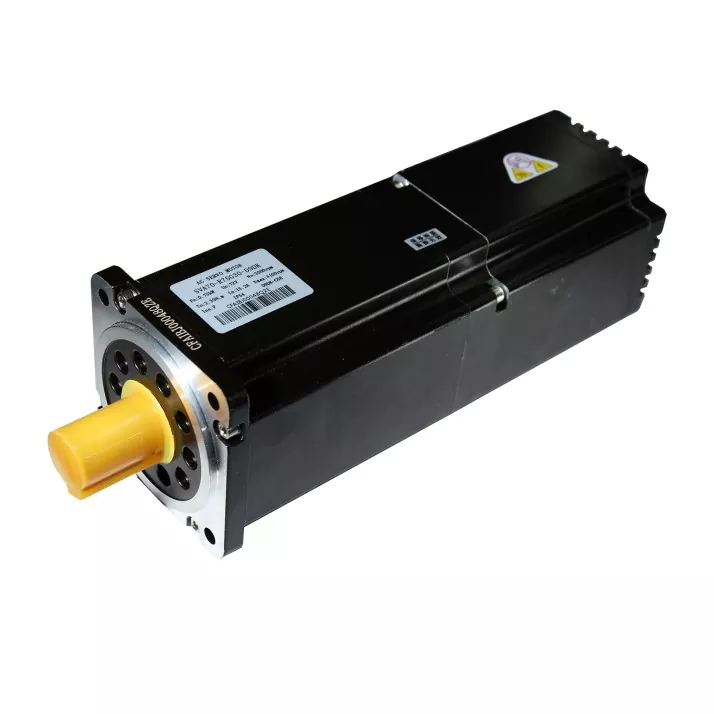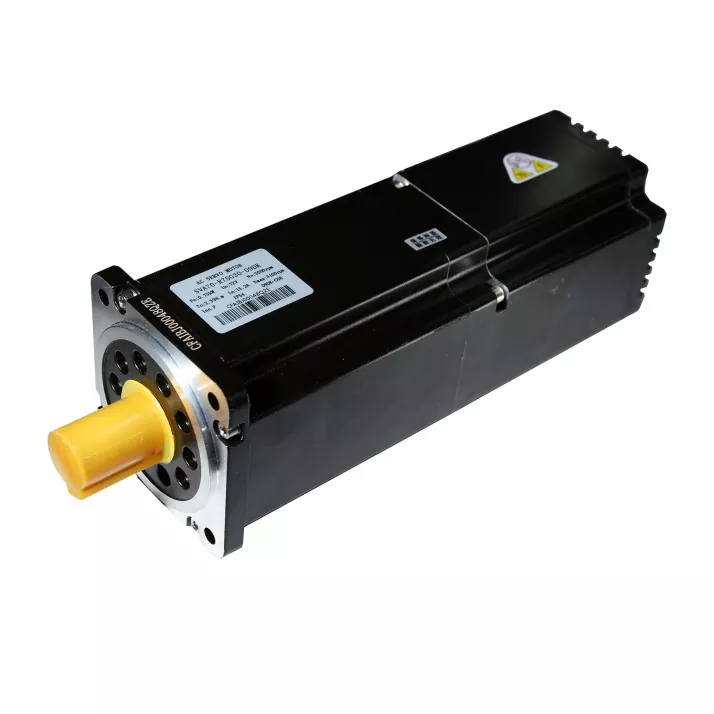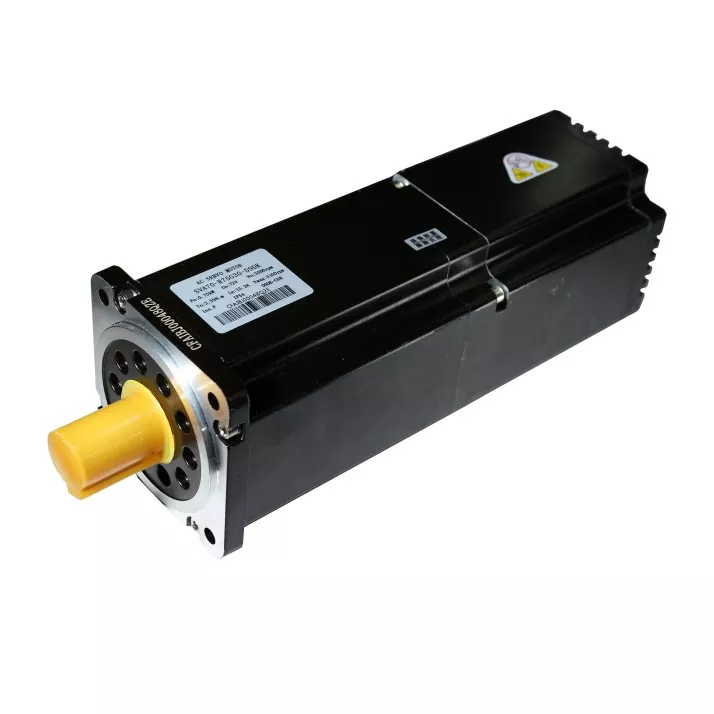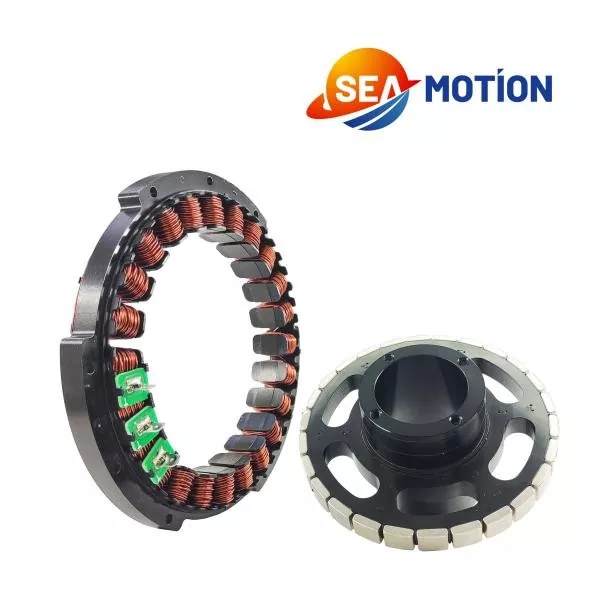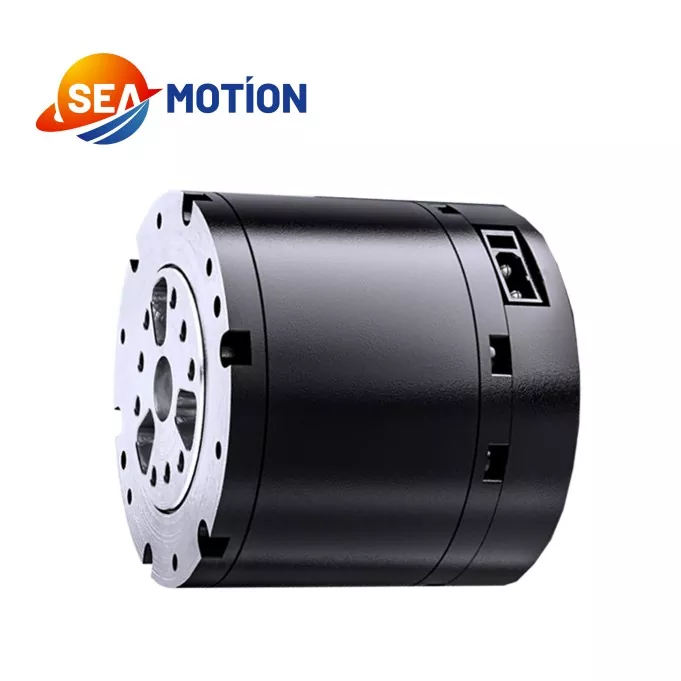
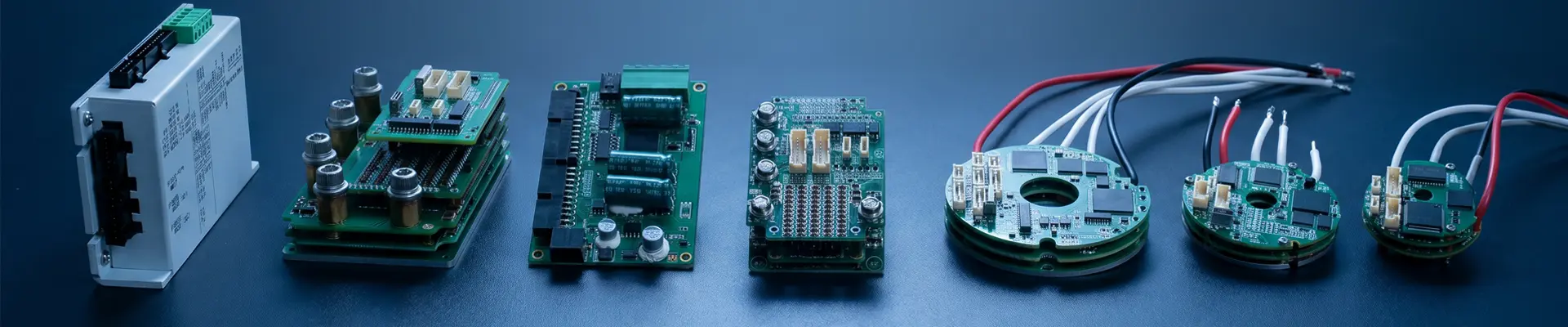
The Integrated Servo Motor has redefined what engineers and machine builders can expect from a motion control axis. By merging a high-performance servo motor, a full-featured servo drive, and advanced control electronics into a single, compact housing, this technology eliminates the traditional separation between motor and drive. The result is a dramatic reduction in cabinet space, wiring complexity, and commissioning time, while simultaneously improving reliability and dynamic response. SEA MOTION has been at the forefront of this transformation, delivering integrated servo motor solutions that serve industries ranging from packaging and robotics to medical devices and renewable energy.
SEA MOTION engineers designed the integrated servo motor platform around five guiding principles that address real-world automation pain points. First, thermal optimization ensures that the motor and electronics share a common heatsink and cooling path, preventing the electronics from overheating even under continuous high-torque duty cycles. Second, single-cable hybrid technology carries power, communication, and safety signals over one ruggedized cable, dramatically simplifying cable management. Third, full digital connectivity via EtherCAT, PROFINET, or EtherNet/IP means the motor appears as a standard network node, with real-time diagnostics and parameter backup stored directly in the motor’s non-volatile memory. Fourth, functional safety up to SIL3/PLe is integrated without extra hardware, using safe torque off and safe motion functions over the same fieldbus. Fifth, a modular design allows quick field replacement without re-tuning, because all servo parameters are retained in the encoder and can be automatically uploaded to a replacement unit within seconds.
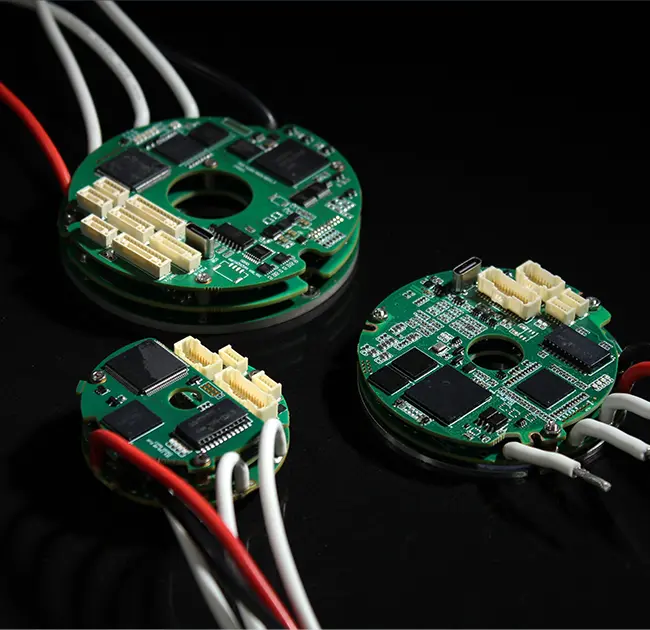
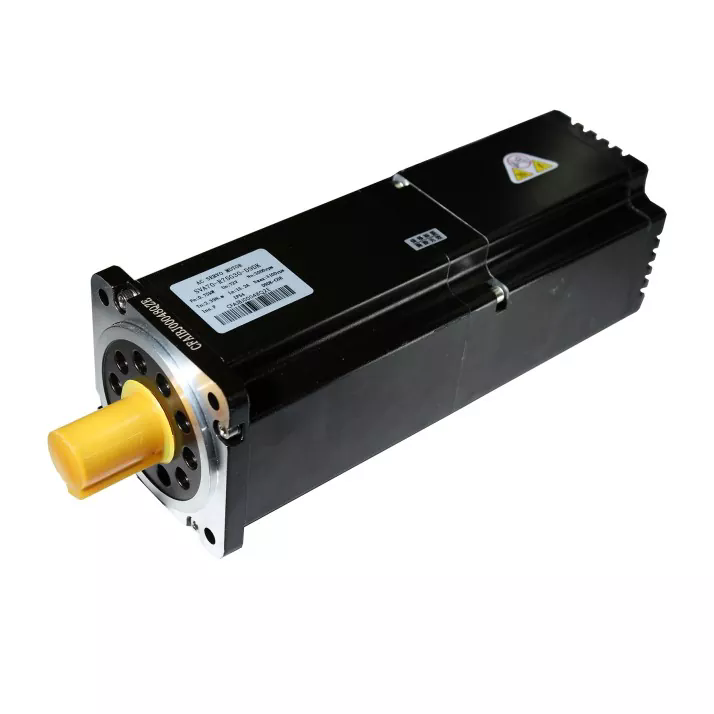
An integrated servo motor is a motion control device that combines a brushless AC servo motor, a servo drive (amplifier), and an encoder into one physical unit. Instead of having a separate drive cabinet and long cables, the power electronics are mounted directly on the motor. In a SEA MOTION integrated servo motor, the drive section is housed in a chamber that shares the motor's cooling fins and receives power and communication through a single hybrid cable. All control loops, including current, velocity, and position, are executed on embedded processors inside the motor. The motor appears on the network as a standard fieldbus node, allowing the PLC or motion controller to command it without needing to manage intermediate drive hardware.
A conventional servo axis requires a motor power cable, a feedback cable (often carrying incremental or absolute encoder signals), and sometimes a separate brake cable and thermal switch wires. Each cable must be shielded, routed, and terminated. In a multi-axis machine, this cabling quickly adds up. A SEA MOTION integrated servo motor reduces all these connections to a single hybrid cable. This cable contains two shielded power conductors for the DC bus, a twisted pair for fieldbus communication, and safety signals all under one jacket. The result is that a 16-axis machine that would have needed at least 48 cables now needs only 16, dramatically cutting installation time, cable tray weight, and potential noise sources.
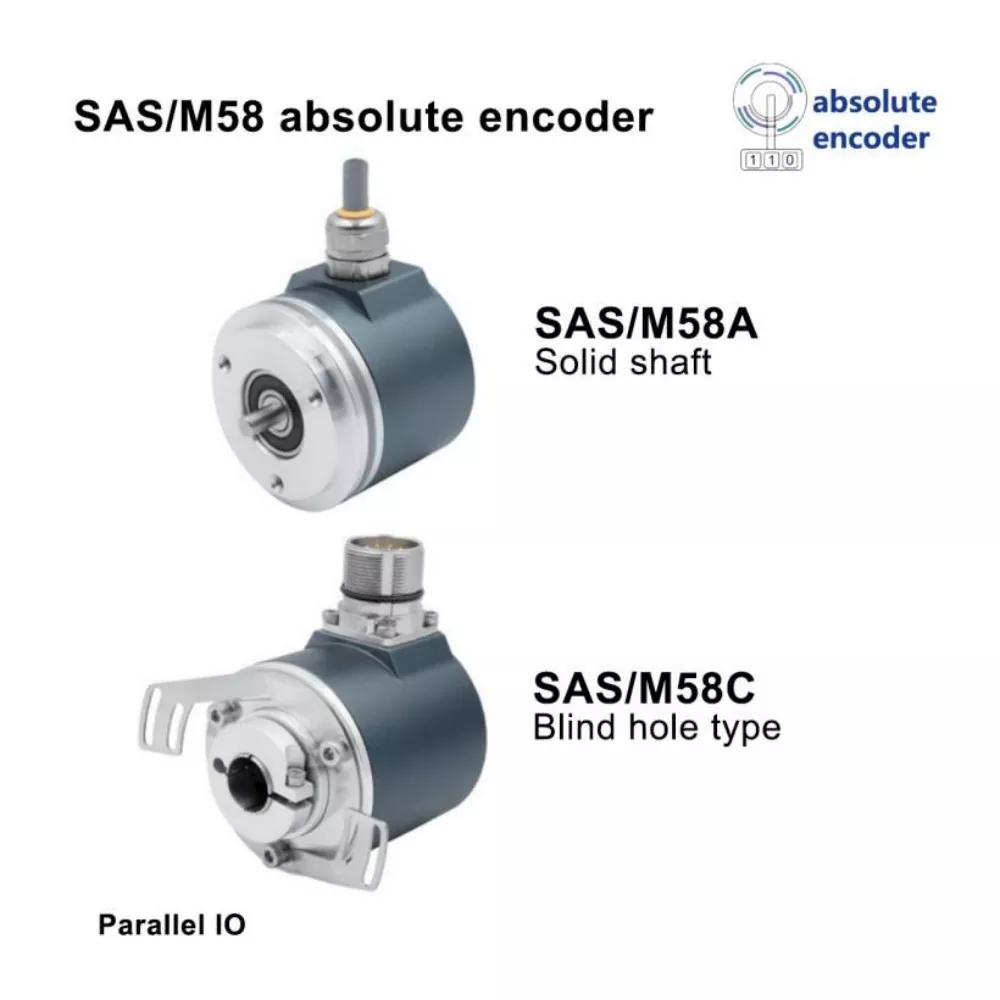
No re-tuning is required. Every SEA MOTION integrated servo motor stores its complete electronic nameplate and tuning parameters in the absolute encoder’s memory. When a replacement motor is connected and powered up, the PLC or motion controller automatically reads these parameters. The user does not need to load a configuration file or perform any manual tuning. The entire mechanical replacement can be completed in under 10 minutes, and the axis resumes operation with exactly the same dynamic behavior as before. This feature is especially valuable in remote installations where service personnel may not have access to engineering laptops.
When a servo motor decelerates a high-inertia load, it acts as a generator and returns energy to the DC bus. In a single-axis system, this energy must be dissipated in an external braking resistor. SEA MOTION integrated servo motors include an internal braking chopper and can be connected via the DC bus sharing terminals to other motors on the same machine. This allows the regenerative energy from one decelerating axis to be immediately used by another accelerating axis, reducing overall power consumption and heat generation. For stand-alone axes, SEA MOTION offers optional external braking resistor modules that plug directly into the connector system without additional wiring.
SEA MOTION integrated servo motors currently support EtherCAT, PROFINET IRT, and EtherNet/IP with CIP Motion. The selection of protocol depends on the frame size. The smaller ISM-40 series supports EtherCAT and CANopen, while the ISM-60 and above support all three industrial Ethernet protocols. All variants also provide a web server interface accessible via a standard browser for diagnostics and manual jogging, independent of the fieldbus. Future releases will include OPC UA FX and CC-Link IE TSN to cover additional market requirements.