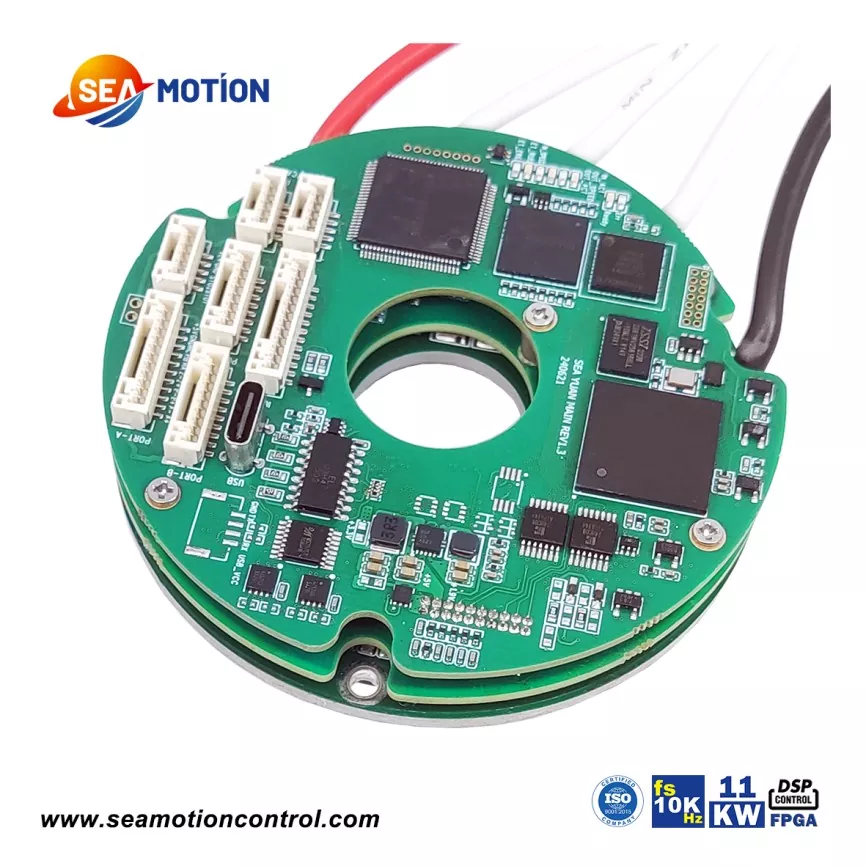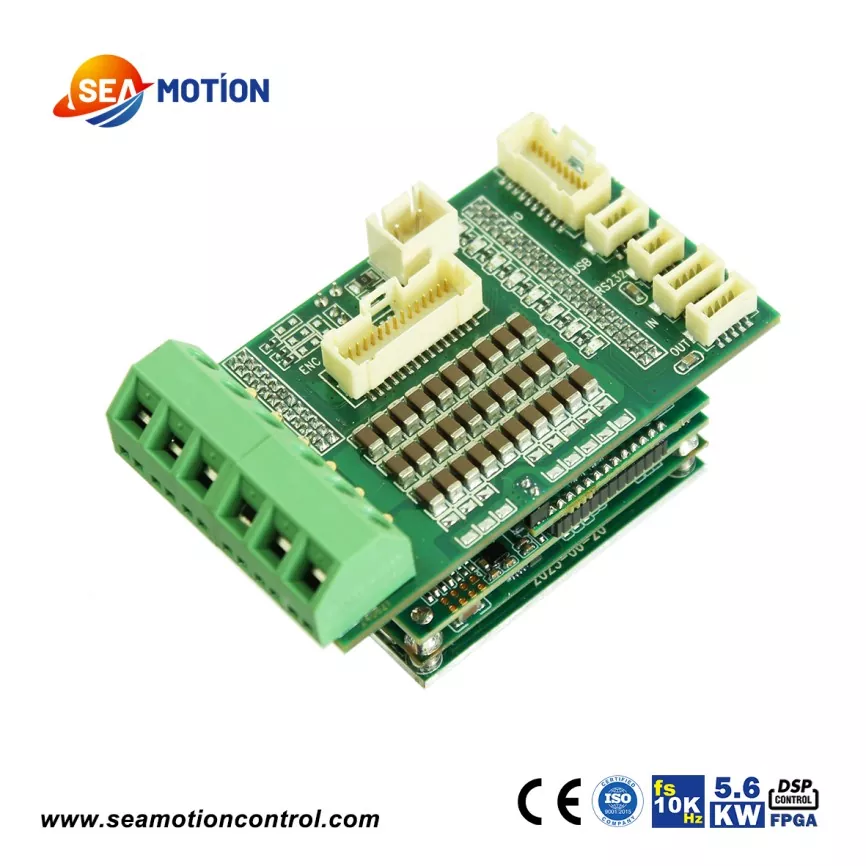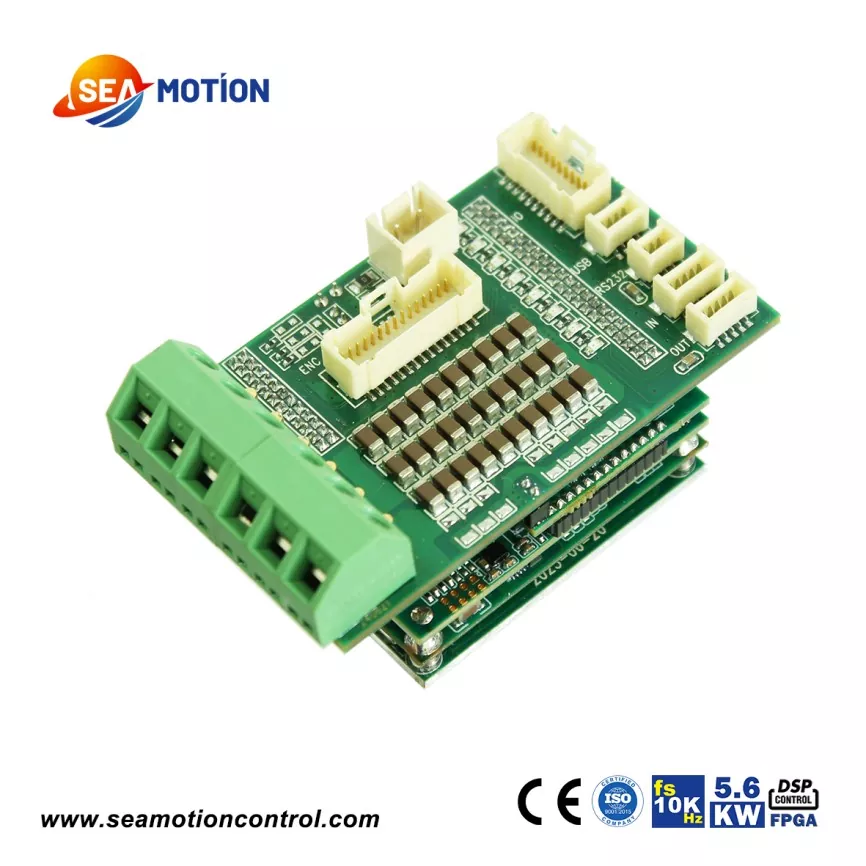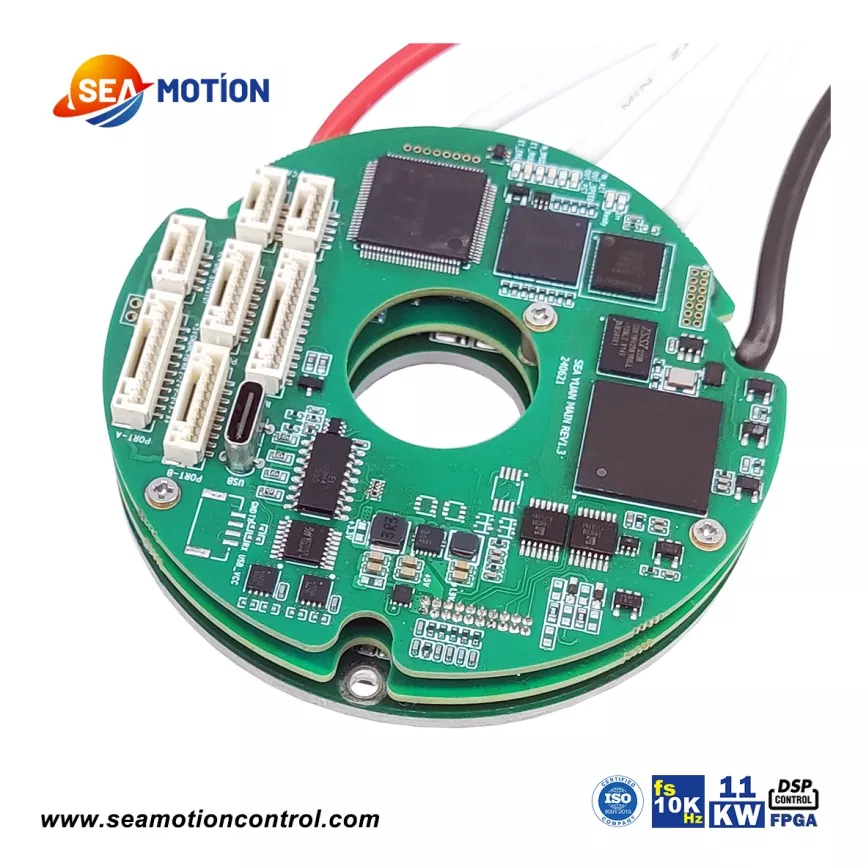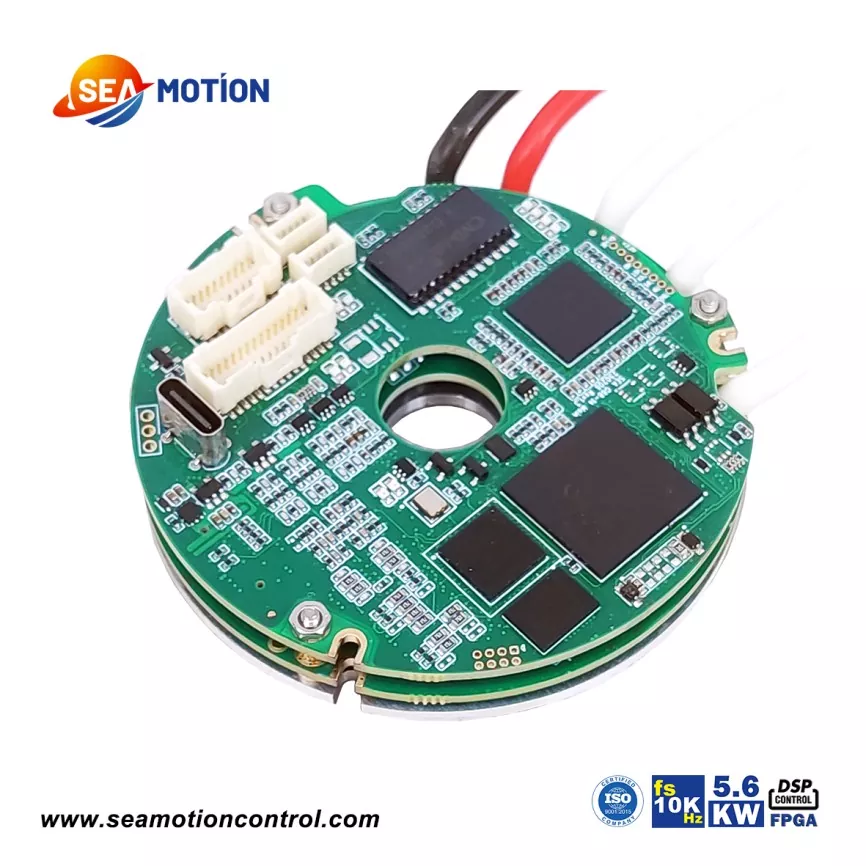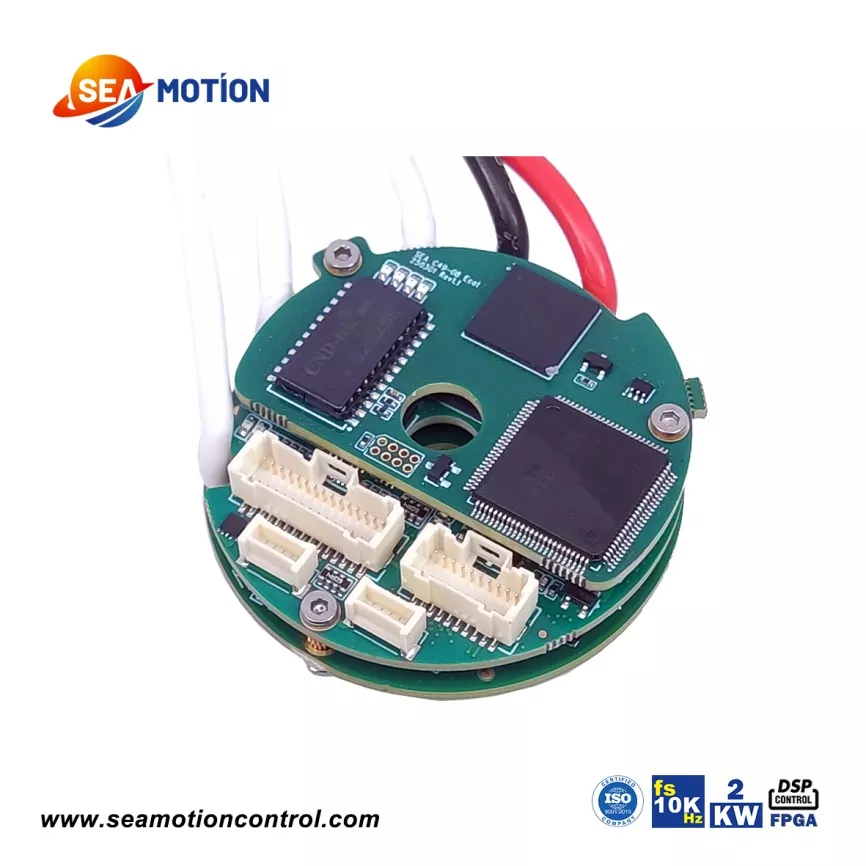
When modern automation demands peak precision, rapid response, and unwavering reliability, the right motion control component makes all the difference. A servo drive sits at the heart of countless high-performance systems, translating intricate command signals into exact motor movements. Whether you’re engineering a packaging line, a CNC machine, a robotic arm, or a textile loom, the servo drive determines how accurately and efficiently your process runs. SEA MOTION has spent years perfecting servo drive technology, crafting units that marry robust hardware with intelligent software to deliver the control you need. Below, we unpack everything from core operating principles to detailed product parameters, helping you understand why SEA MOTION’s solutions stand out in a competitive global market.
Q: What is the main difference between a servo drive and a variable frequency drive (VFD)?
A: A servo drive is optimized for dynamic, high-performance motion control, offering tight closed-loop regulation of position, speed, and torque with encoder feedback. A VFD typically controls induction motors in open-loop speed mode, without built-in positioning capabilities. While some advanced VFDs can perform vector control with encoders, servo drives achieve far higher bandwidth, smoother low-speed operation, and precise positioning required in automation. SEA MOTION servo drives also include auto-tuning and filtering features that are not standard on general-purpose VFDs.
Q: How do I tune a SEA MOTION servo drive for my mechanical load?
A: SEA MotionSuite software provides one-click auto-tuning that excites the system and identifies inertia, resonance frequencies, and friction. The drive then calculates optimal gains for the current, velocity, and position loops. For challenging loads with varying inertia or belt-drive compliance, the adaptive tuning option continuously monitors performance and adjusts gains in real time. Manual fine-tuning is also available, with graphical Bode plot and step response analysis tools to visualize stability margins.
Q: Can SEA MOTION servo drives run third-party motors?
A: Yes. The drives accept a wide range of motor parameters, including resistance, inductance, back EMF constant, and pole count. After entering these values and selecting the compatible feedback interface (incremental, EnDat, BiSS, Hiperface, or resolver), the auto-tuning routine works just as effectively as with SEA MOTION motors. However, for optimal performance and warranty coverage, we recommend pairing with our own servo motors, which are precisely matched and factory-validated.
Q: What safety functions are built into the servo drive?
A: Every SEA MOTION servo drive includes Safe Torque Off (STO) according to SIL3/PLe. This function immediately removes torque-generating current when activated, bringing the motor to a safe state without a contactor. Advanced safety options, available as plug-in modules or firmware upgrades, add Safe Stop 1 (SS1), Safe Brake Control (SBC), Safe Limited Speed (SLS), and Safe Position (SP). These features streamline compliance with machinery directives and reduce reliance on external safety relays.
Q: How do I handle regenerative energy in fast deceleration applications?
A: During rapid braking, the motor acts as a generator, feeding energy back onto the DC bus. SEA MOTION servo drives up to 1 kW have an internal brake resistor connection. For higher continuous regeneration, an external resistor kit can be attached. If you have multiple drives sharing a DC bus, the regenerative energy from one axis can supply others, minimizing wasted heat. For very large systems, we offer active front-end modules that return energy to the mains grid, improving overall efficiency.