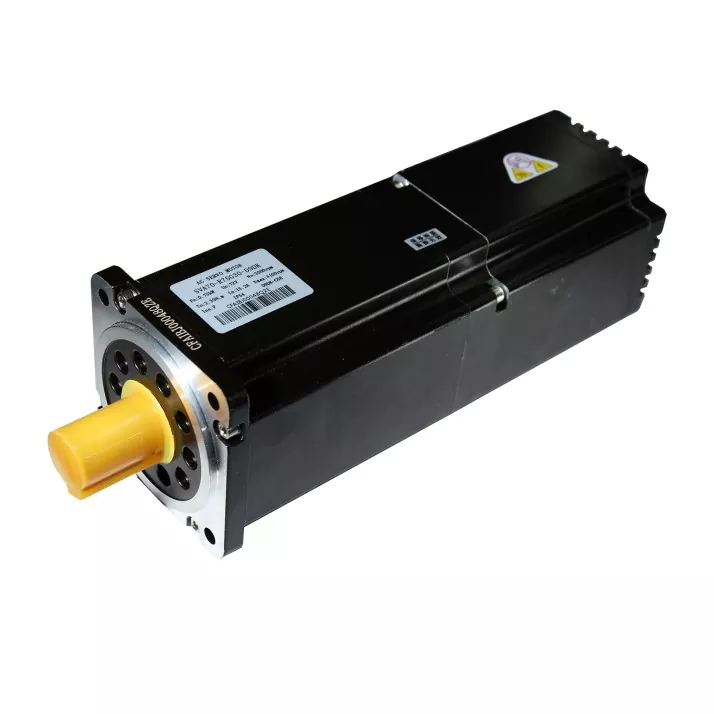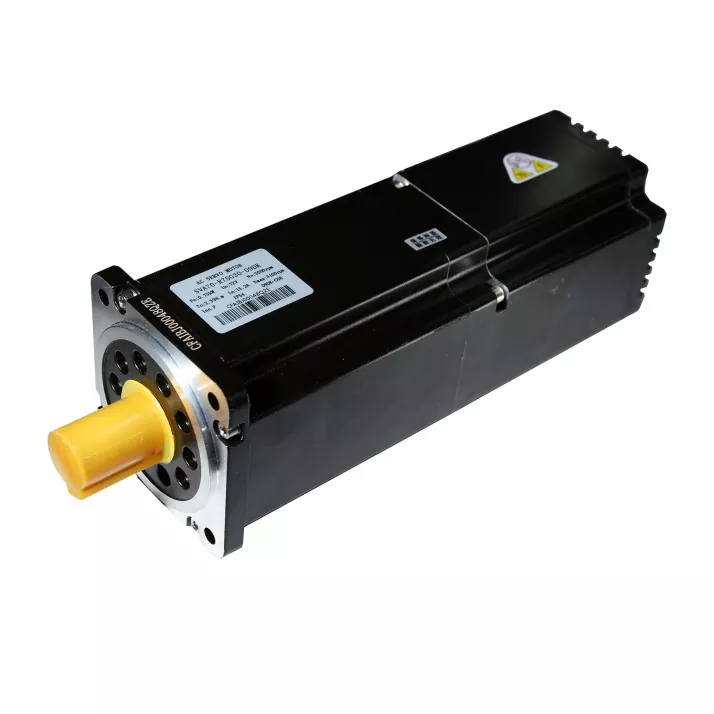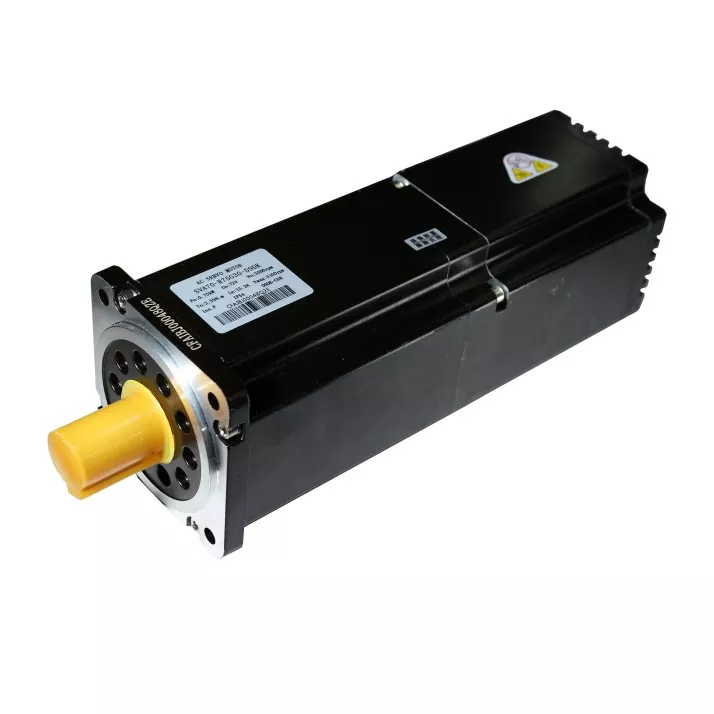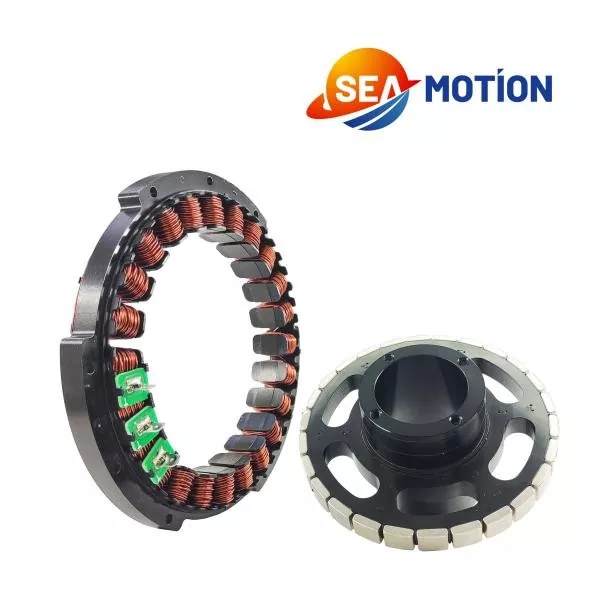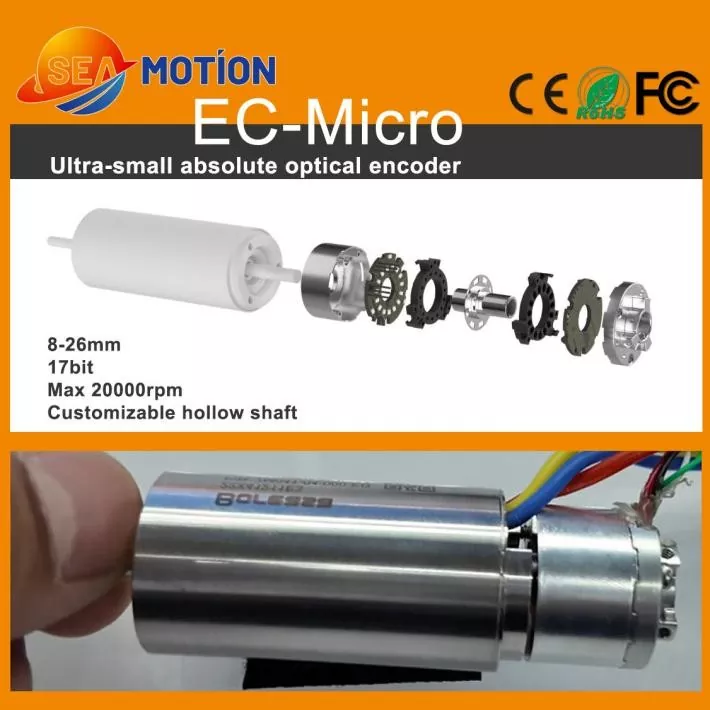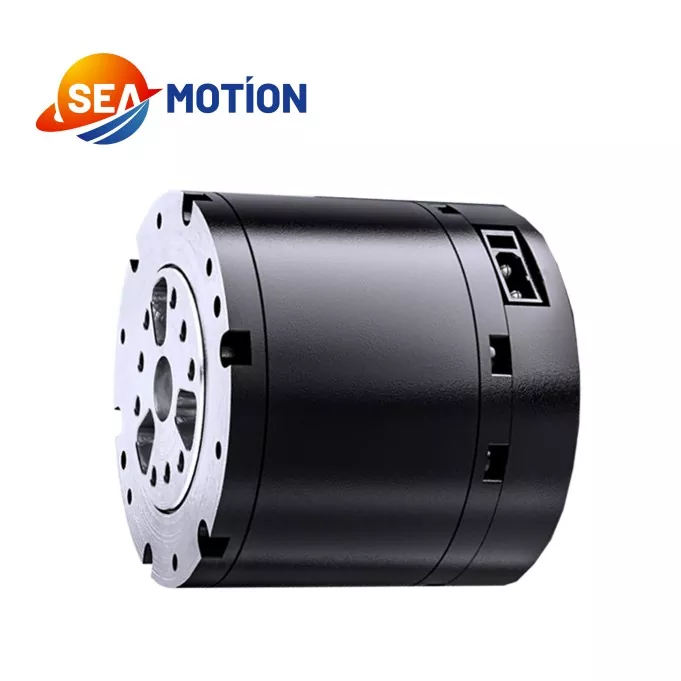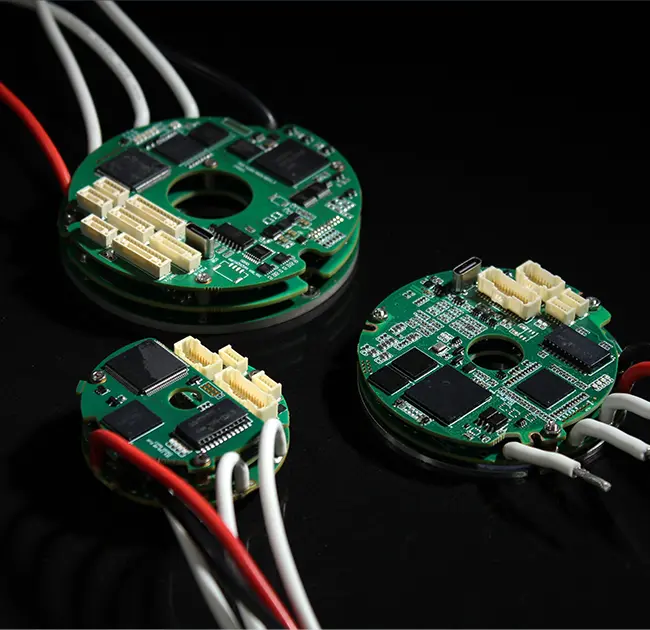
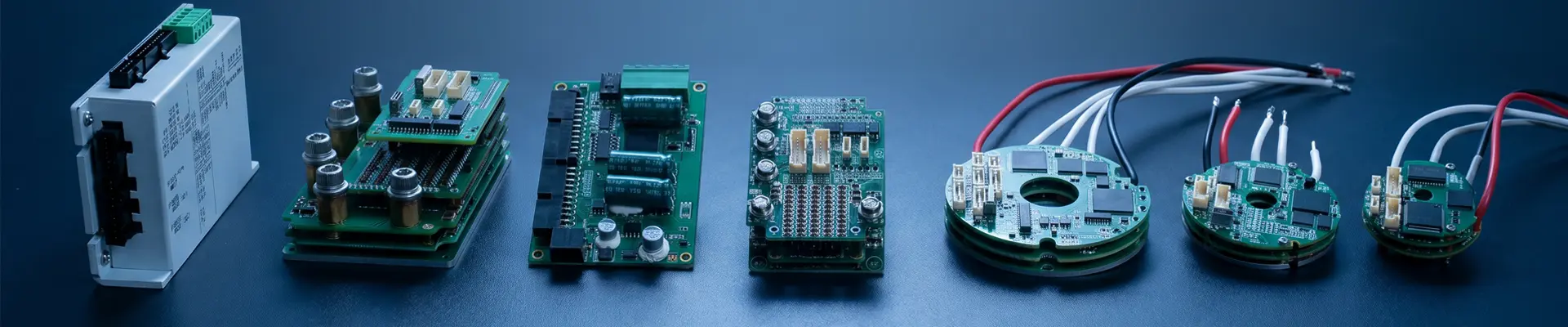
In modern automation, robotics, and precision manufacturing, selecting the right motion control component can define the success of an entire system. Among the available technologies, the Intergrated Dc Servo Motor stands out as a compact, high-efficiency solution that merges a brushless DC servo motor with a built-in drive and controller. This integration eliminates bulky external cabling, reduces electromagnetic interference, and simplifies commissioning. For engineers seeking to minimize space, improve reliability, and accelerate time-to-market, an integrated design offers clear advantages. SEA MOTION has developed a range of Integrated DC Servo Motors that incorporate these benefits while delivering precision, responsiveness, and robust industrial performance.
SEA MOTION Intergrated Dc Servo Motors are deployed in a wide variety of industries. A selection is provided below:
What is the difference between an Intergrated Dc Servo Motor and a traditional servo system?
A traditional system consists of a separate servo motor, encoder, drive amplifier, and a tangle of cables for power and feedback. An integrated design combines the drive electronics, encoder, and motor into a single unit. The only external connections are power and communication cables, often merged into one. This reduces points of failure, saves cabinet space, and simplifies electromagnetic compatibility (EMC) compliance because the high-current switching paths are contained within the motor housing.
Can I use an Integrated DC Servo Motor as a direct replacement for a stepper motor?
Yes, in many cases. SEA MOTION units accept pulse and direction signals, just like a stepper drive. However, because they are closed-loop servo motors, they offer higher torque at speed, no missed steps, and quieter operation. The integrated absolute encoder eliminates the need for a separate encoder or homing sensor. The frame sizes (42 mm, 56 mm, 80 mm, 100 mm) correspond to common NEMA stepper footprints, so mechanical adaptation is minimal. We recommend checking the torque-speed curves, as servos maintain torque across a broader speed range while steppers lose torque as speed increases.
Do I need an external encoder for dual feedback?
Not typically. The built-in absolute encoder provides feedback directly on the motor shaft. For applications where load-side position is critical due to belt compliance or gear backlash, SEA MOTION offers an optional secondary encoder input. This allows the drive to close the position loop on the load rather than the motor shaft. This dual-loop control improves accuracy in long-travel belt drives or planetary gearheads. Configuration is done through the same software tool, and the feature set includes automatic anti-backlash compensation.
How is the integrated drive protected against electrical noise and voltage spikes?
The drive includes input filtering, transient voltage suppression, and galvanic isolation between the communication bus and power stage. The hybrid cable design incorporates shielding and twisted pairs for both power and data. These measures ensure compliance with IEC 61800-3 for EMC immunity and emissions in industrial environments. SEA MOTION has tested the integrated motors with numerous PLCs and motion controllers, and no additional ferrites or line filters are typically required for cable lengths up to 10 meters.
How long is the delivery time for standard models and what is the warranty?
Standard catalog models listed in the table above are typically in stock at SEA MOTION distribution centers and ship within three business days. Larger quantities may have lead times of two to four weeks. Custom configurations generally require six to eight weeks, depending on complexity. All SEA MOTION products come with a five-year warranty covering defects in materials and workmanship. Technical support is available through our global network of application engineers who can assist with commissioning, networking, and tuning.