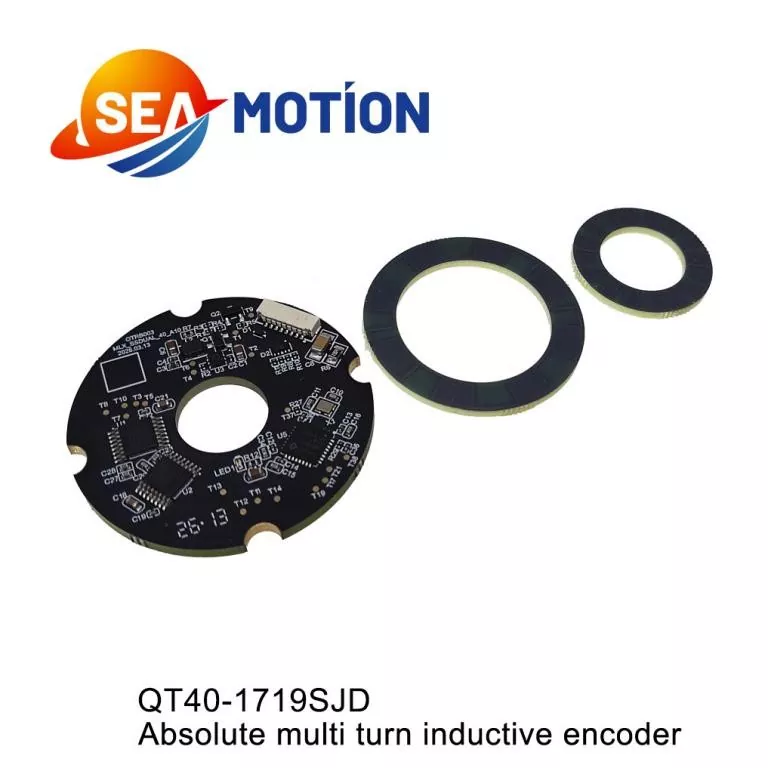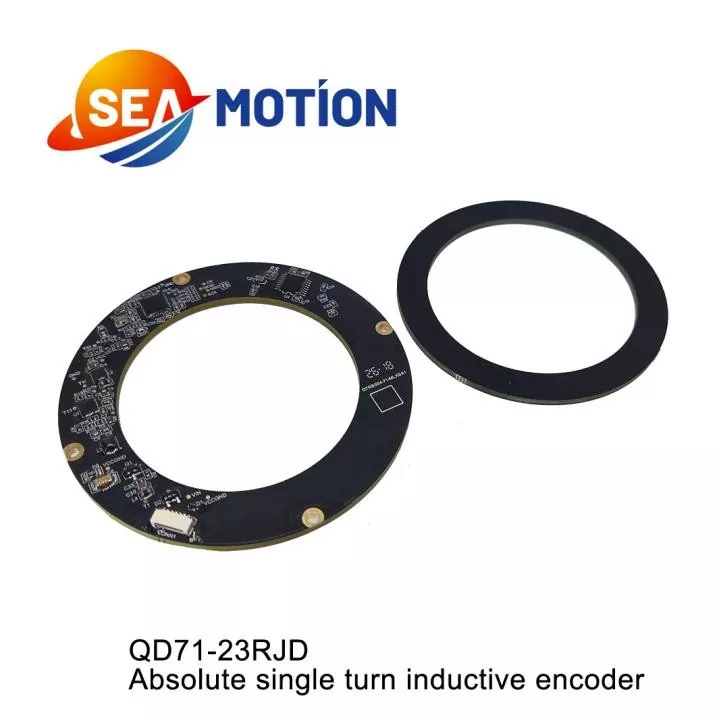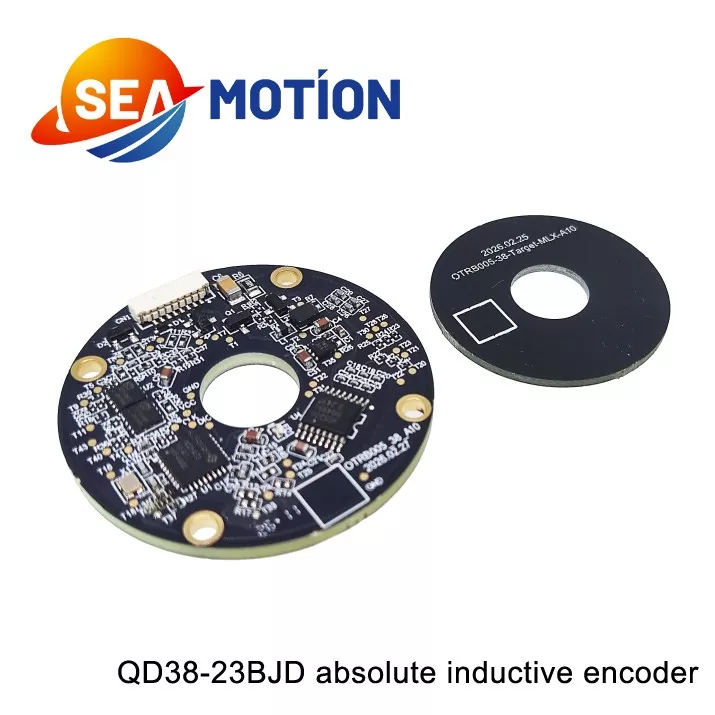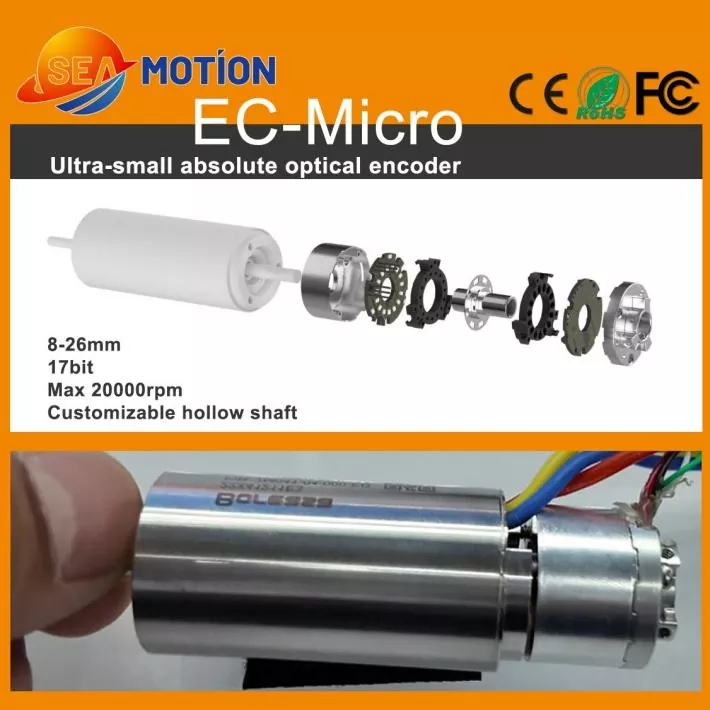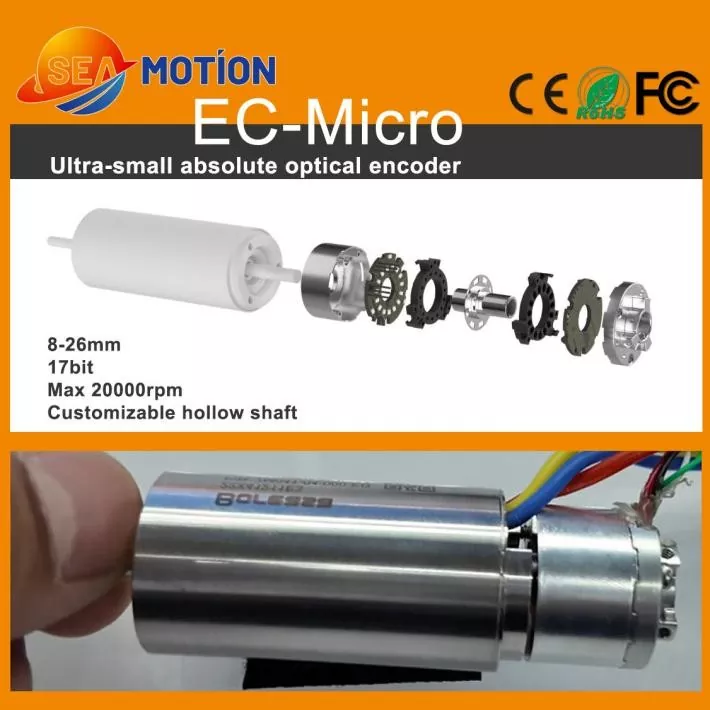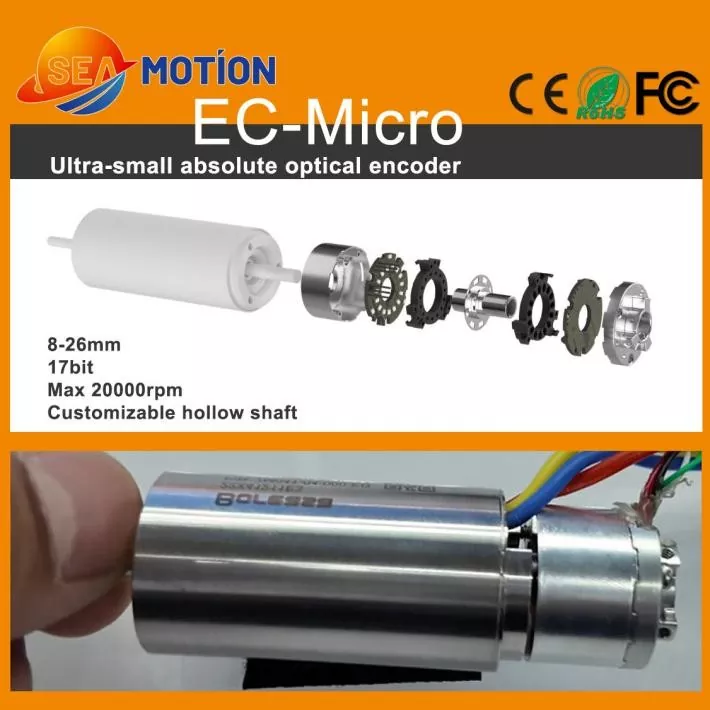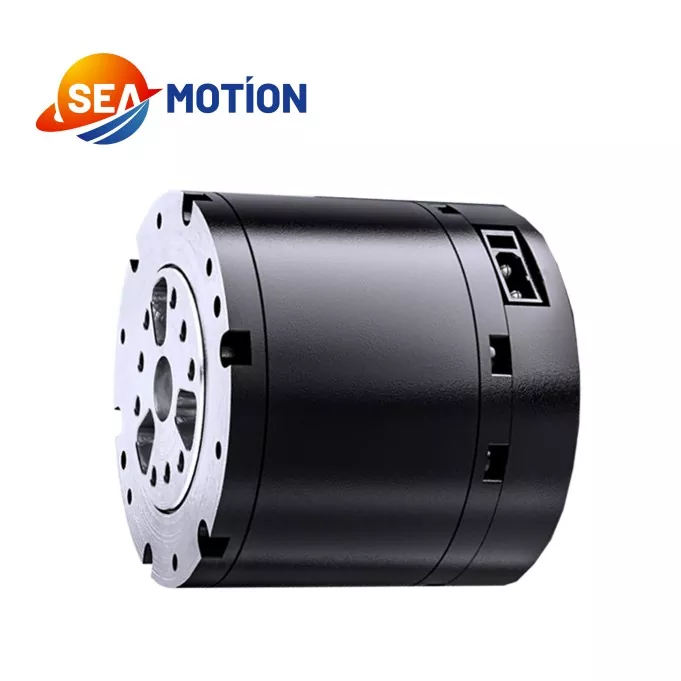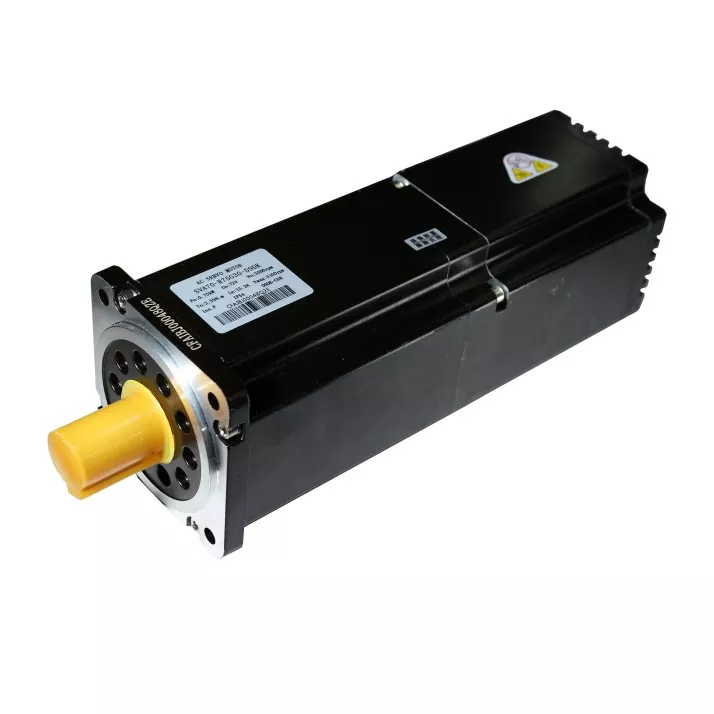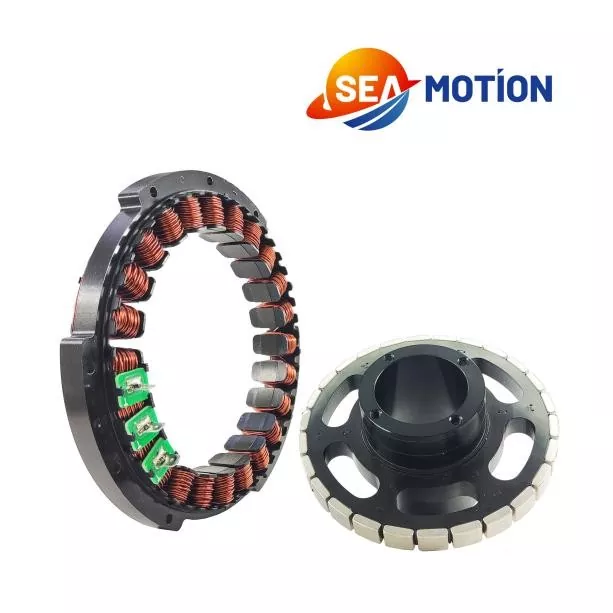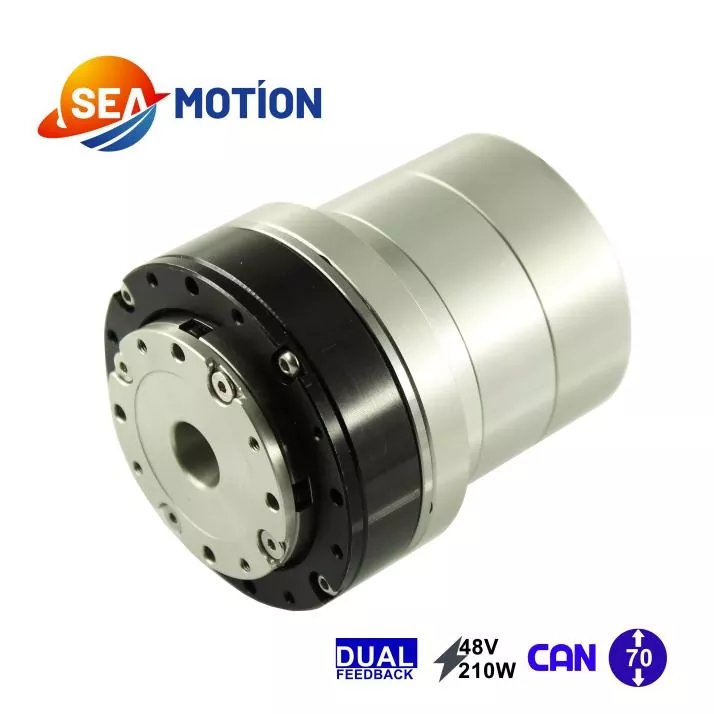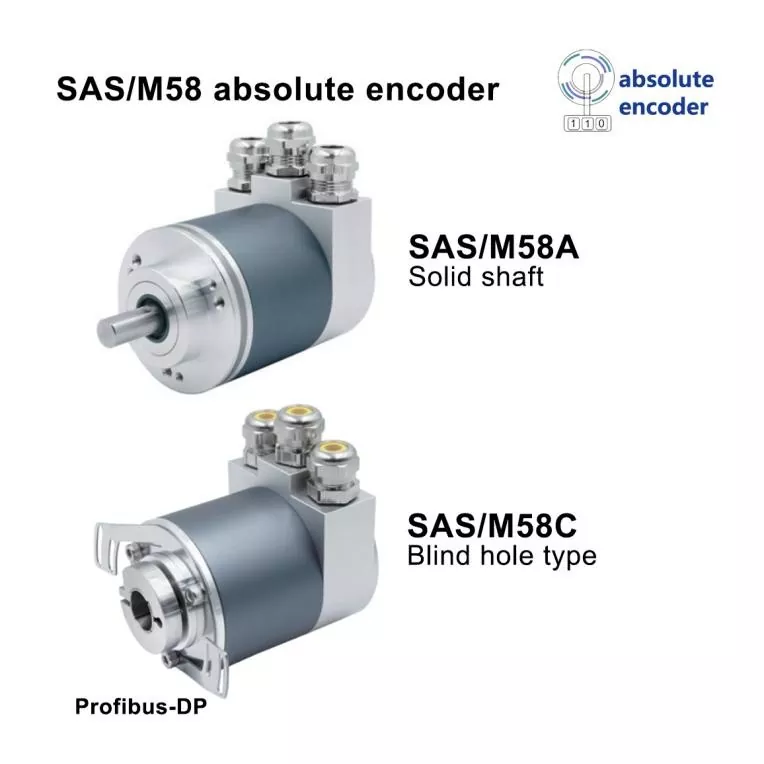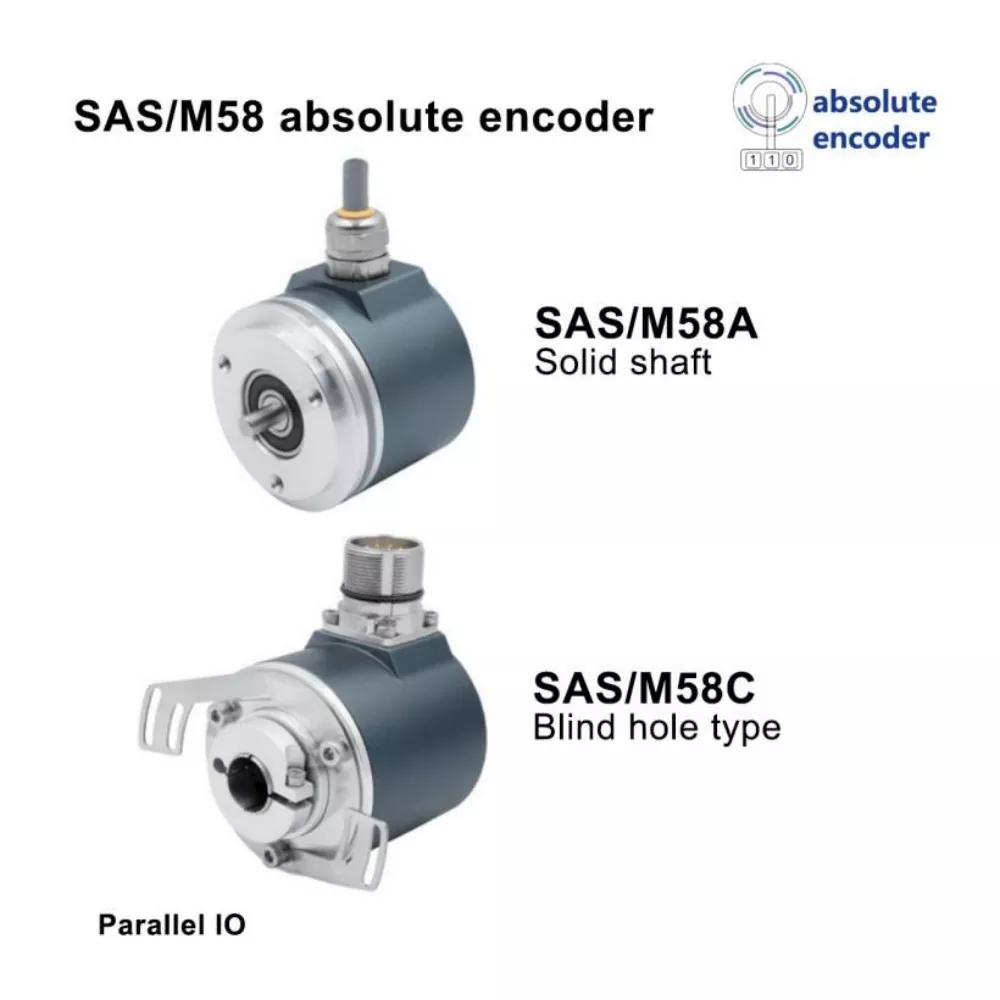
Selecting the correct photoelectric encoder demands a thorough evaluation of several interdependent specifications. The resolution, expressed in pulses per revolution (PPR) for incremental types or bits for absolute types, defines the smallest detectable angular movement. Signal output format—whether TTL, HTL, open collector, or line driver—must align with the controller’s input circuitry to ensure noise immunity. Mechanical factors such as shaft diameter, permissible radial and axial loads, and mounting flange style determine compatibility with the host machine. Environmental ratings, particularly IP class for dust and moisture ingress, operating temperature range, and resistance to vibration and shock, directly impact field reliability. Below are typical parameter tables used by engineers when specifying a photoelectric encoder, followed by a detailed overview of SEA MOTION’s standard offerings.
Photoelectric encoders from SEA MOTION are embedded in critical control loops across a broad spectrum of industries. In semiconductor fabrication, they provide the precision feedback necessary for wafer handling robots and wire bonders, where sub-micron positioning is non-negotiable. Medical devices such as CT scanners and automated liquid handlers depend on the encoder’s absolute position recall to ensure patient safety and regulatory compliance. Wind turbine pitch control systems rely on multi-turn absolute encoders to adjust blade angles under fluctuating wind conditions, operating reliably from -40°C winter mornings to +85°C summer peaks inside the nacelle. Printing and packaging machines use high-speed incremental variants to synchronize print cylinders and seal jaws with microsecond accuracy, where even one missed pulse translates to product waste. Elevator and escalator drives embed photoelectric encoders for velocity feedback and door position monitoring, with a requirement for safety integrity level certifications that SEA MOTION supports through its TÜV-approved models.
Functional safety standards such as ISO 13849 and IEC 61508 demand that position feedback devices in safety-related control functions provide defined diagnostic coverage and fault exclusion measures. SEA MOTION produces photoelectric encoders with dual electrically isolated sensing elements and redundant processing paths that achieve SIL2 or PLd safety ratings as standalone components. When integrated into a suitable safety PLC architecture, these encoders enable safe limited speed, safe direction, and safe position monitoring without additional external sensors. The mechanical design incorporates a positively locking shaft connection that cannot slip under overload, eliminating a common dangerous failure mode. Detailed safety application notes and MTBF data are available for certification engineers working on press brakes, collaborative robots, and automated guided vehicles.