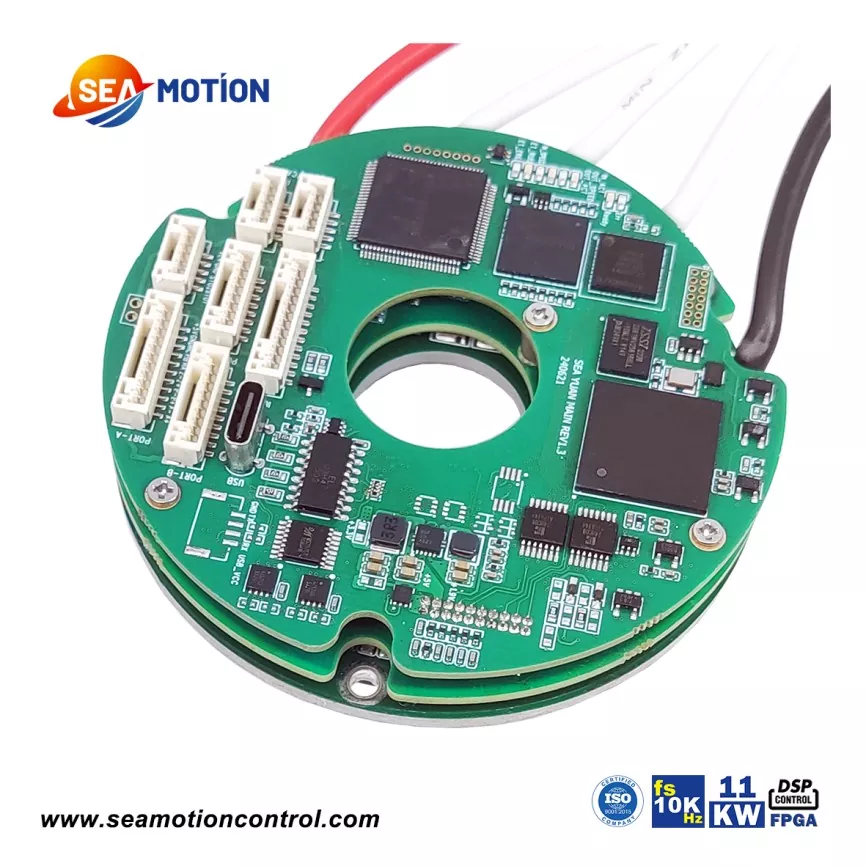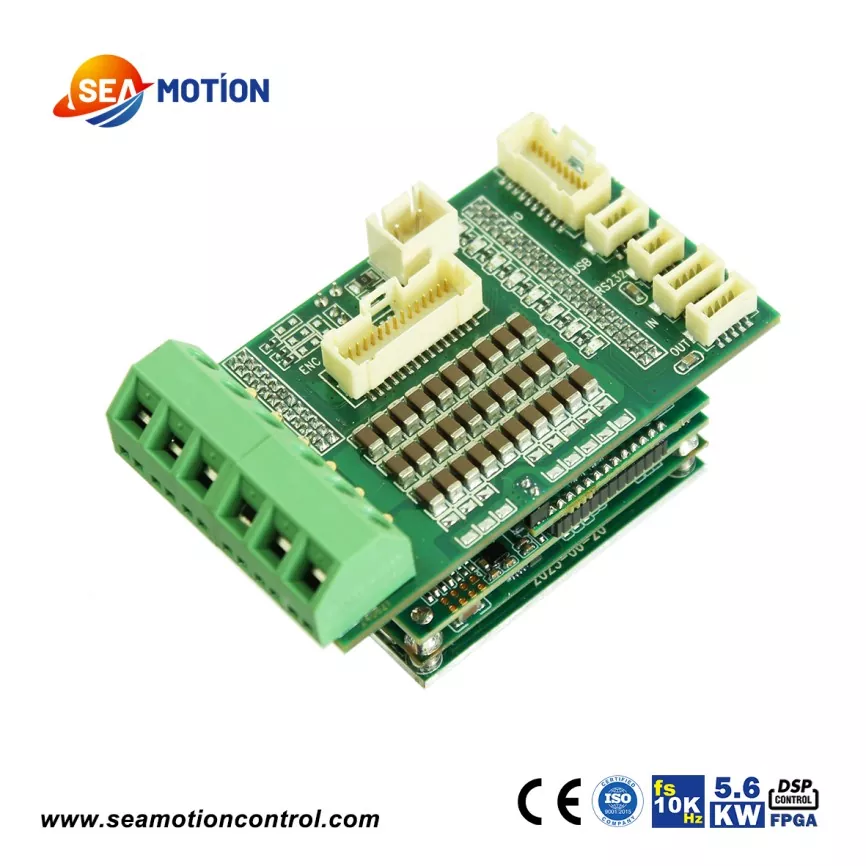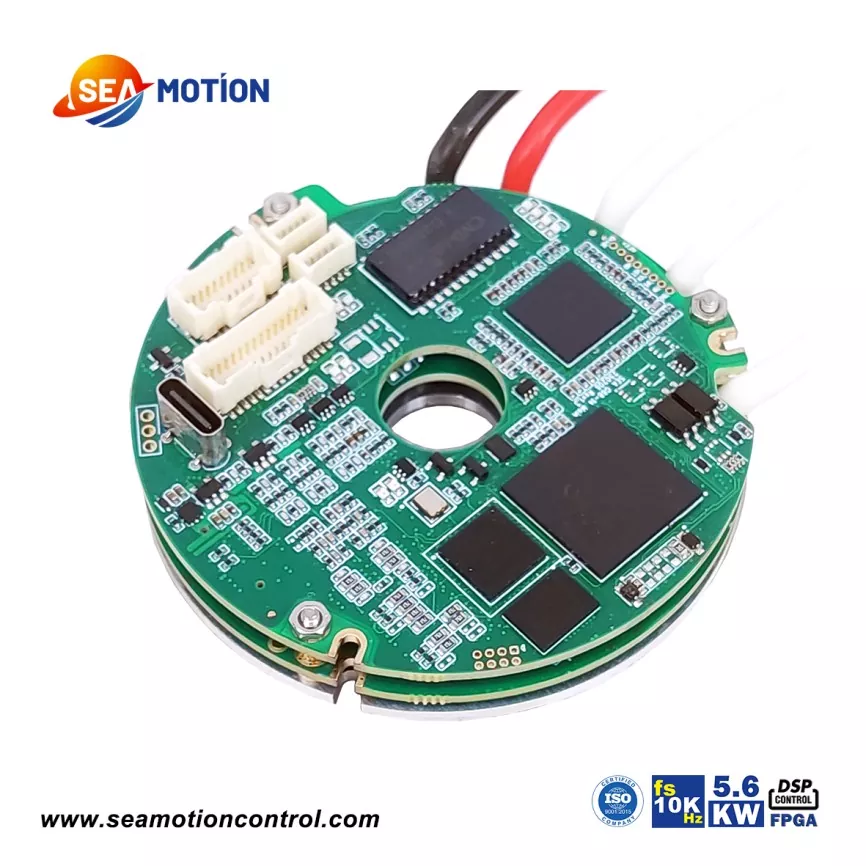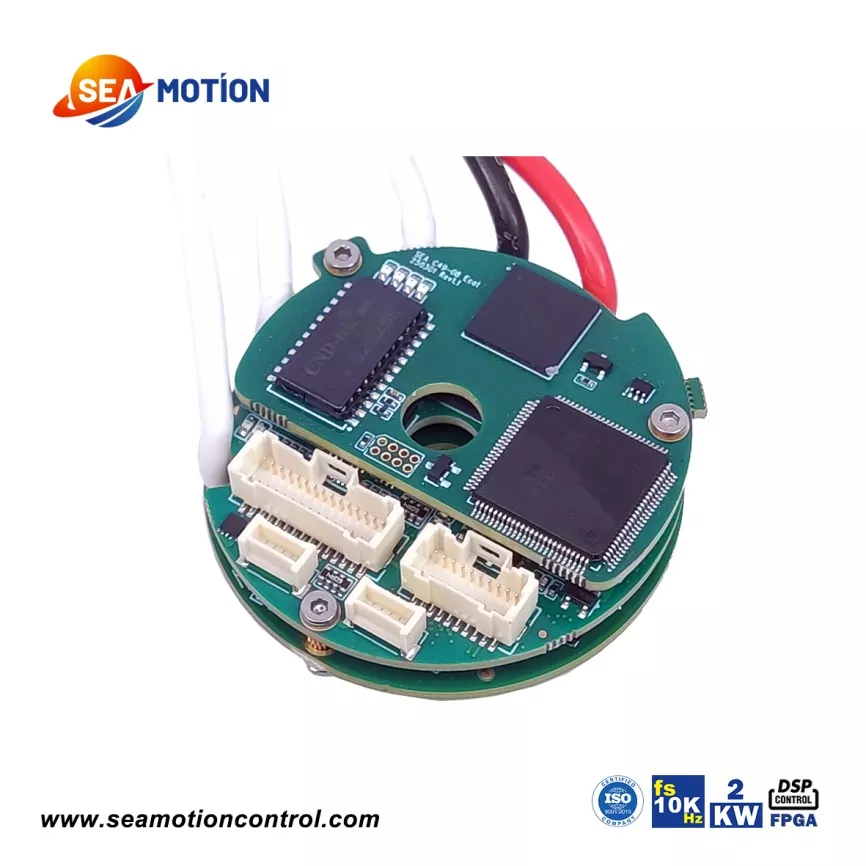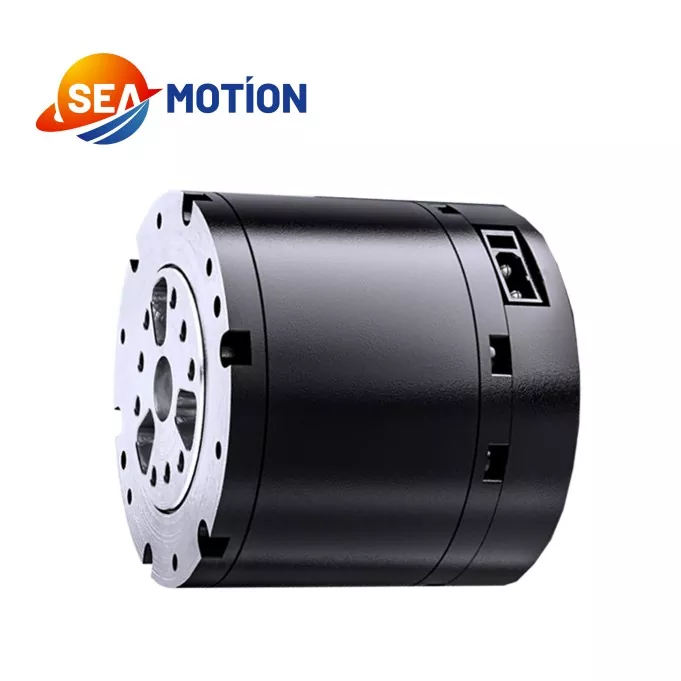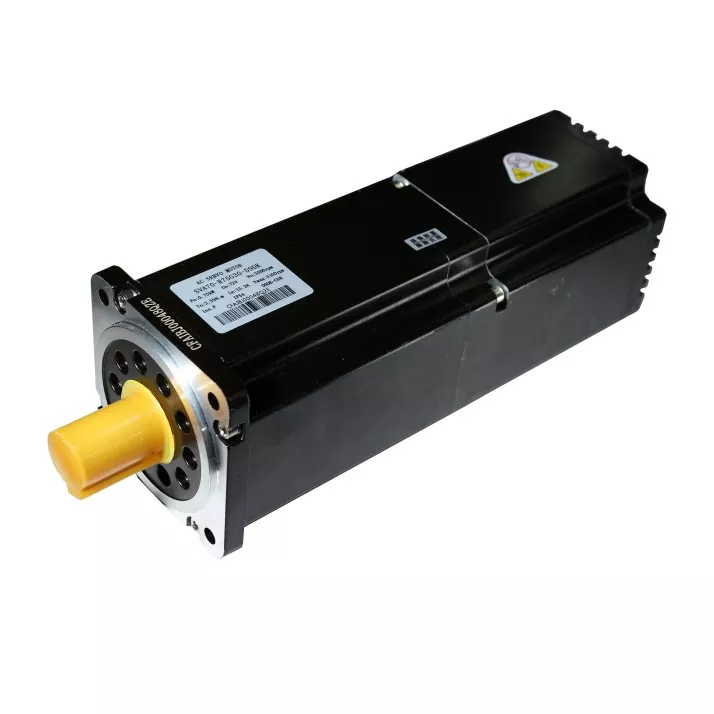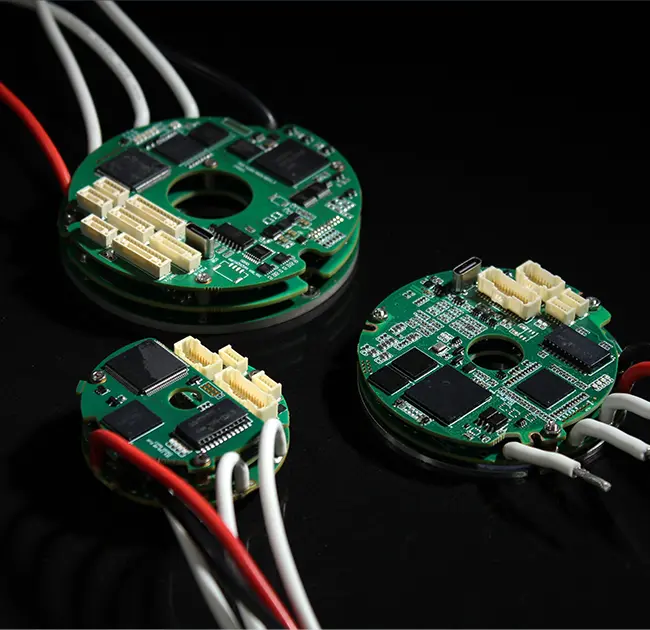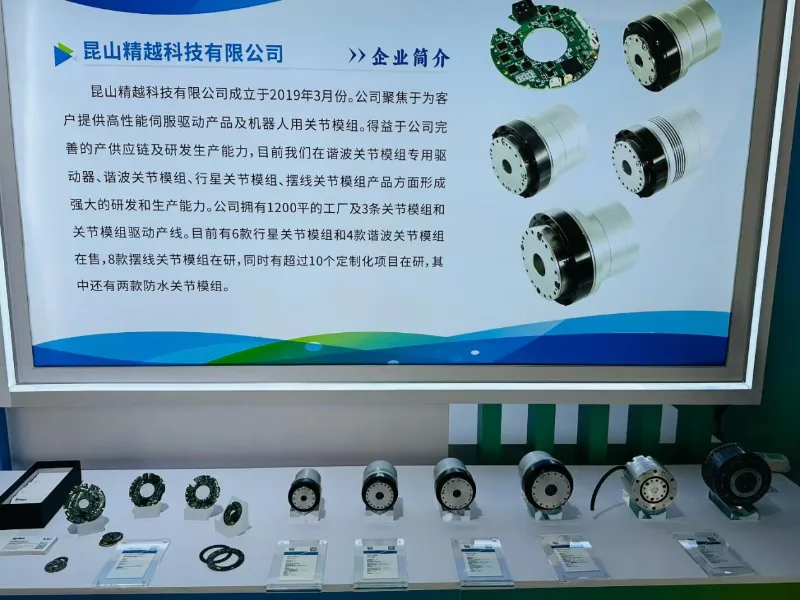
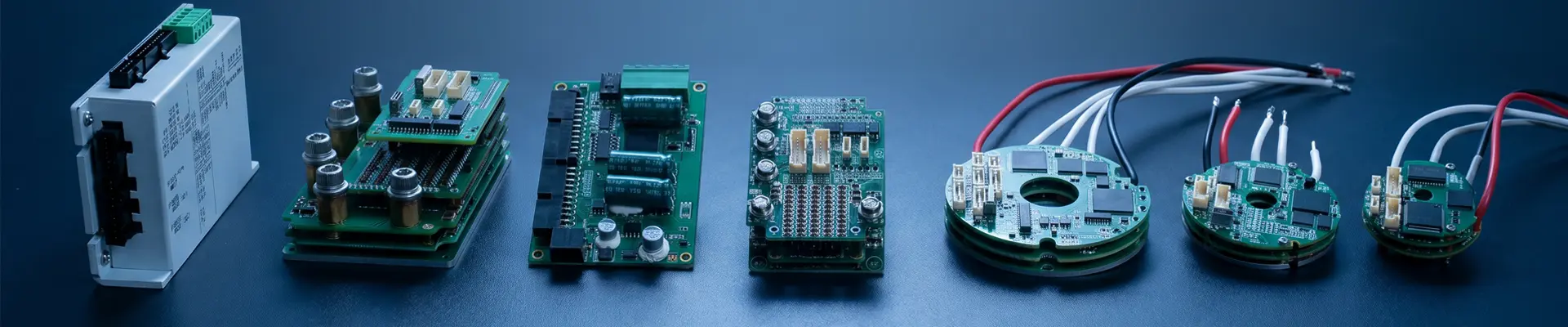
In today’s automated factories, the Industrial Servo Drive stands as a critical enabler of high‑speed, high‑precision motion. From CNC machining and robotic assembly to packaging lines and textile machinery, these compact powerhouses translate complex controller commands into flawless motor movement. SEA MOTION, a company with deep roots in industrial automation, has engineered a family of servo drives that combine raw torque capability with advanced real‑time control.
SEA MOTION has spent two decades refining motion‑control hardware for harsh industrial environments. Their industrial servo drive portfolio is built around three core promises:
An industrial servo drive is an electronic controller that receives a reference command from a higher‑level motion controller or PLC and precisely regulates the position, speed or torque of a servo motor. It works by continuously comparing the commanded value with actual feedback from a sensor mounted on the motor or load. The difference, called the error, is processed by a cascaded proportional‑integral (PI) or proportional‑integral‑derivative (PID) structure. The innermost current loop operates at tens of kilohertz to keep the motor’s magnetic flux aligned instantaneously. The velocity loop, running at a few kilohertz, damps oscillations and maintains speed under load changes. The outermost position loop runs at the update rate of the motion bus and ensures that the axis reaches the target point with minimal overshoot. Modern drives like those from SEA MOTION also incorporate feed‑forward terms for velocity and acceleration, vibration suppression notch filters and disturbance observers, all of which dramatically improve dynamic stiffness.
Typically, one industrial servo drive controls one motor because the closed‑loop feedback must be device‑specific to maintain precision. However, SEA MOTION offers a dual‑axis variant in the SD‑A series, where two independent drive channels are housed in a single chassis, sharing the DC bus and 24 V control supply. Each channel has its own current sensing, feedback interface and logic processor, so the axes operate independently. This approach saves cabinet space and reduces wiring complexity for small multi‑axis machines such as pick‑and‑place stations. For purely torque‑controlled slave axes, a single drive can also run two identical motors in parallel as long as they are mechanically coupled and only one feedback device is used – but such use cases are rare and require careful analysis by SEA MOTION application engineers.
Autotuning is an adaptive algorithm that excites the mechanical system with a low‑amplitude test signal, measures the frequency response, and automatically sets the gain parameters of the velocity and position loops. The SEA MOTION implementation works in two stages. First, an inertia identification routine accelerates and decelerates the motor along a carefully shaped profile and calculates the total reflected inertia and viscous friction. Second, a servo‑loop bandwidth assessment injects a pseudo‑random binary sequence and analyzes the resonance points. Based on this, the firmware configures the PI/PID gains, the acceleration feed‑forward and up to four notch filters that suppress mechanical resonances. Users can select between a “stiff” tuning mode for hard‑coupled loads and a “smooth” mode for compliant loads such as belts. The whole process takes less than 60 seconds and can be executed through the front panel or the SELink PC tool. Tuning results are stored permanently in non‑volatile memory and can be fine‑tuned manually with a live frequency‑response display.