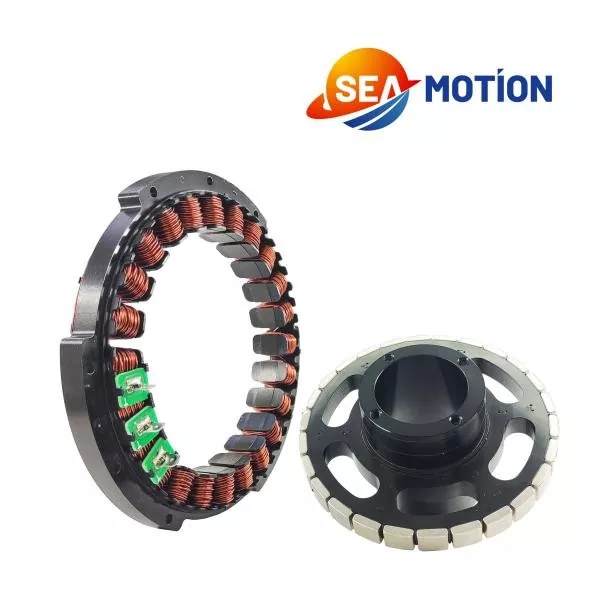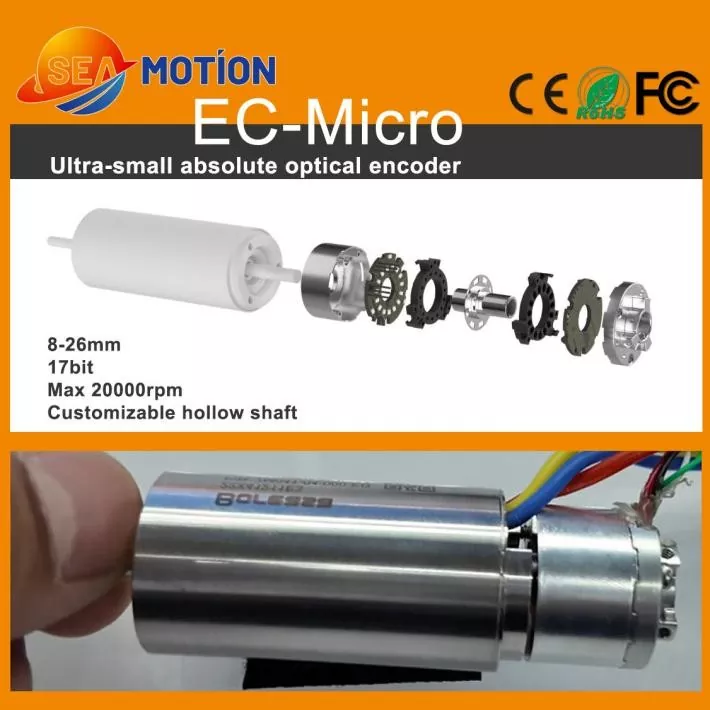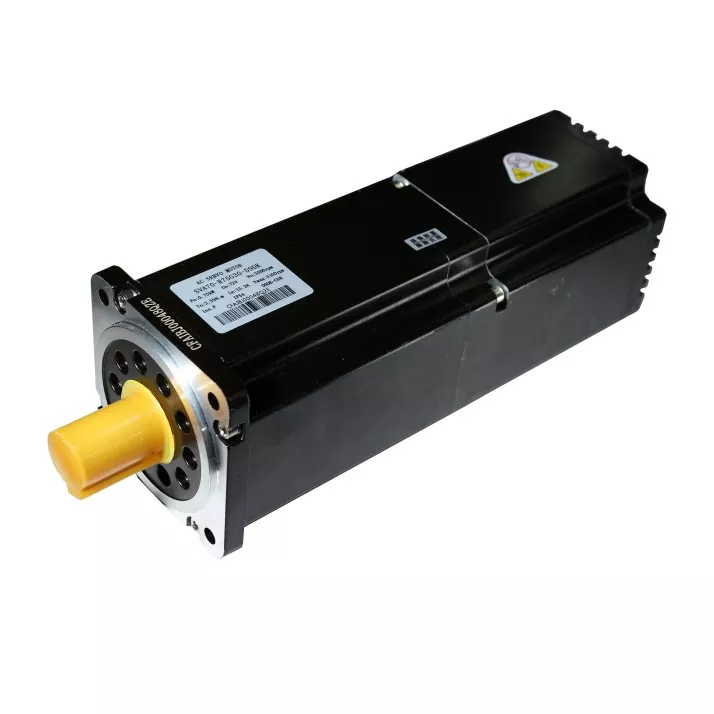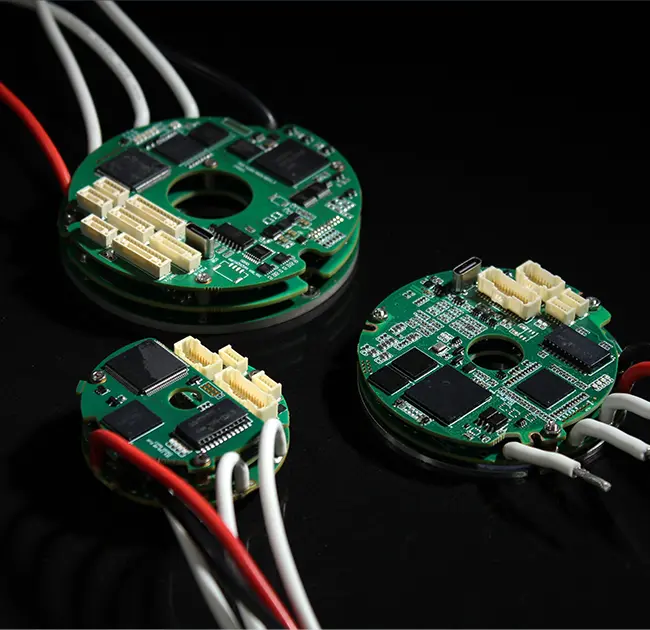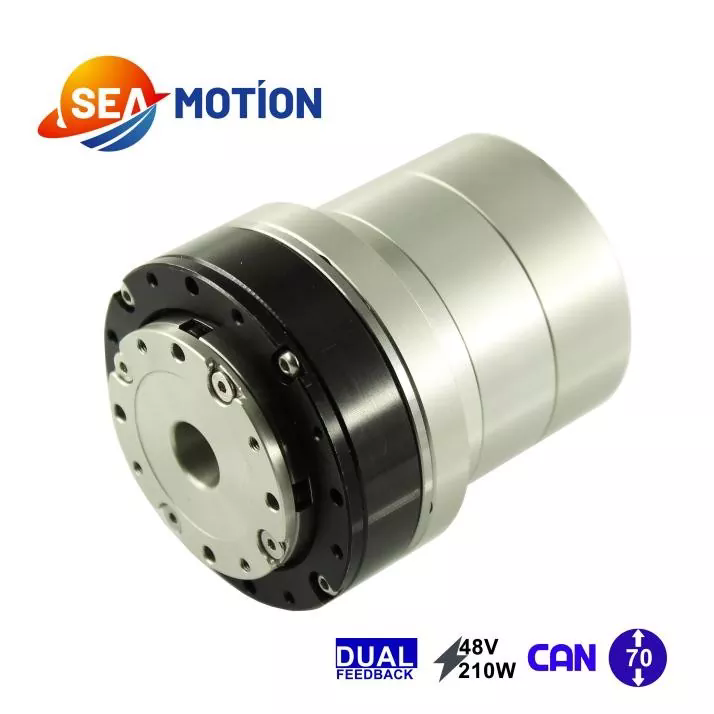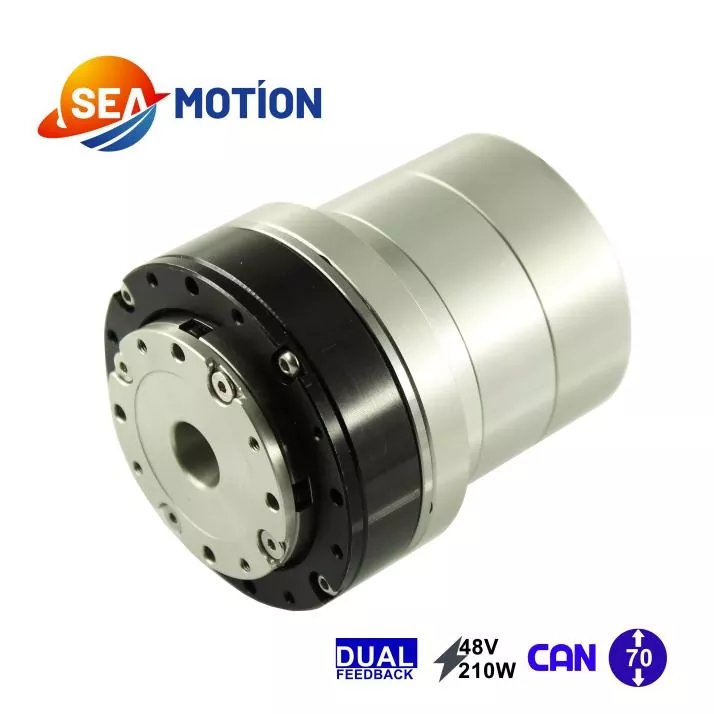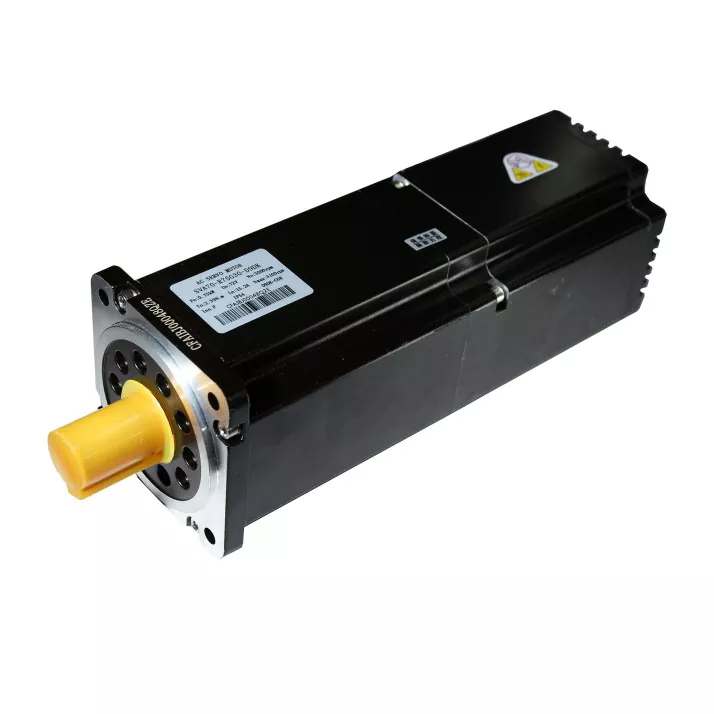
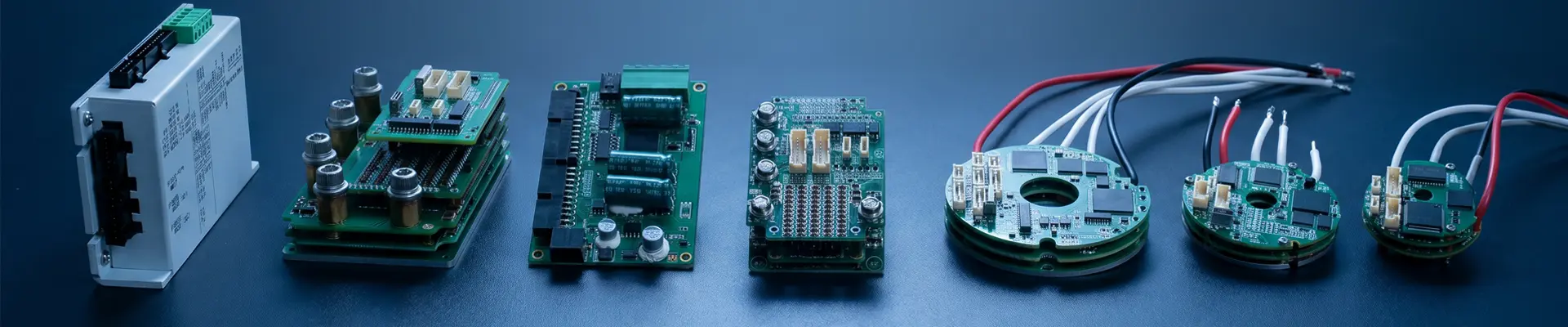
When designing modern mechanical and structural systems, the need for components that combine flexibility with uncompromising load-bearing capacity has never been greater. An Intergrated Joint Module represents a leap forward in how engineers approach articulation points, energy absorption, and maintenance accessibility. Instead of piecing together separate bearings, housings, seals, and mounting hardware on site, an Intergrated Joint Module delivers a fully engineered, pre-assembled unit that is ready to install. This approach reduces assembly error, shortens downtime, and ensures consistent performance across fleets of vehicles, industrial machinery, and marine applications.
To select the right Intergrated Joint Module for a project, engineers evaluate several key specifications. Below is a detailed breakdown of what defines performance, followed by a parameter table for quick reference.
The module is rated for both radial and axial loads, with static capacities reflecting the force at which permanent deformation begins and dynamic capacities indicating the load under which the module achieves a specific fatigue life. SEA MOTION provides ratings aligned with ISO 281 and proprietary testing that accounts for the combined housing stiffness.
Because the bearing element inside the module is spherical or incorporates an elastomeric layer, the Intergrated Joint Module can accommodate angular misalignment. Typical modules allow between ±5° and ±15° of tilt, though custom designs can exceed ±20°. This capability protects surrounding structures from bending moments.
For applications where vibration isolation matters, SEA MOTION offers elastomer-lined modules with defined axial and radial stiffness values. The rubber compound can be tuned from 45 to 75 Shore A durometer, with damping coefficients (tan δ) between 0.08 and 0.35. For pure structural articulation, metal-on-metal spherical bearings with high-hardness races and low-friction liners are used.
Standard module bodies are machined from grade 316L stainless steel or duplex stainless steel for high strength and pitting resistance. Bearing rings use 440C stainless or nitrided steel alloys. SEA MOTION also offers a marine-grade aluminum bronze option for subsea equipment, combined with sacrificial anodes integrated into the module flange. Surface treatments such as HVOF-applied tungsten carbide on sealing surfaces and hard chrome on bearing balls are available.
The integrated seal cassette uses a combination of elastomer O-rings, PTFE backup rings, and a radial shaft seal with garter spring. For underwater applications, a double barrier with pressure-compensated oil reservoir maintains positive internal pressure, preventing water ingress even at 300-meter depth. Lubrication can be lithium-complex grease for normal conditions or PFPE-based grease for extreme temperatures and chemical exposure.
Given the critical nature of an Intergrated Joint Module in many machines, supply chain reliability is a key part of SEA MOTION’s value proposition. We operate manufacturing plants on three continents, each equipped with the same CNC machining centers, test rigs, and quality systems. This allows regional production for local markets, reducing freight emissions and shortening lead times. Strategic raw material stockpiling of specialty stainless steels and bearing-grade ceramics ensures that even during global supply disruptions, production continues.
SEA MOTION also maintains an independent aftermarket supply chain for genuine spare parts, including seal kits, liners, and complete replacement modules. Using counterfeits is a growing risk, so each module carries a unique QR code laser-etched onto the body. Scanning the code with a smartphone opens a secure portal that verifies authenticity and provides access to the exact test certificate and installation instructions for that serial number.