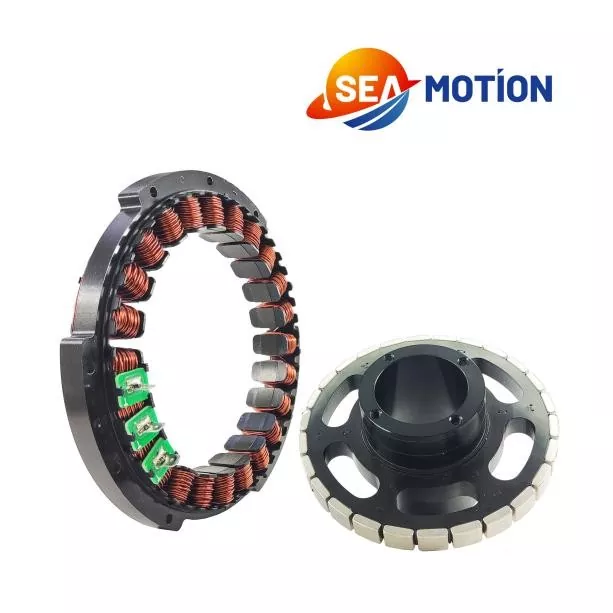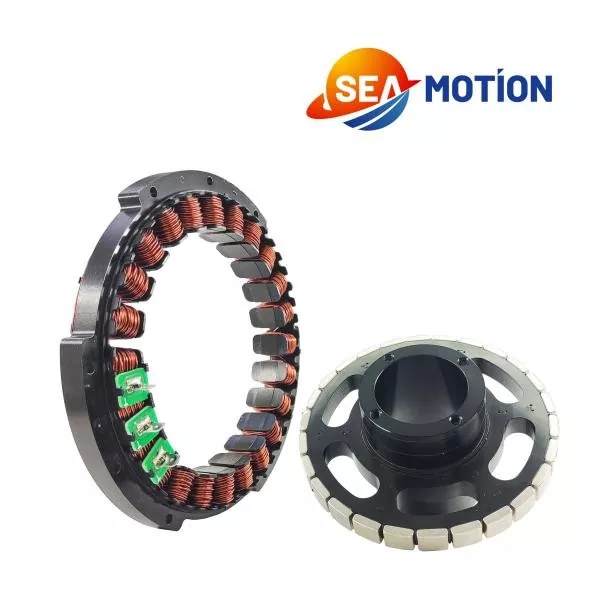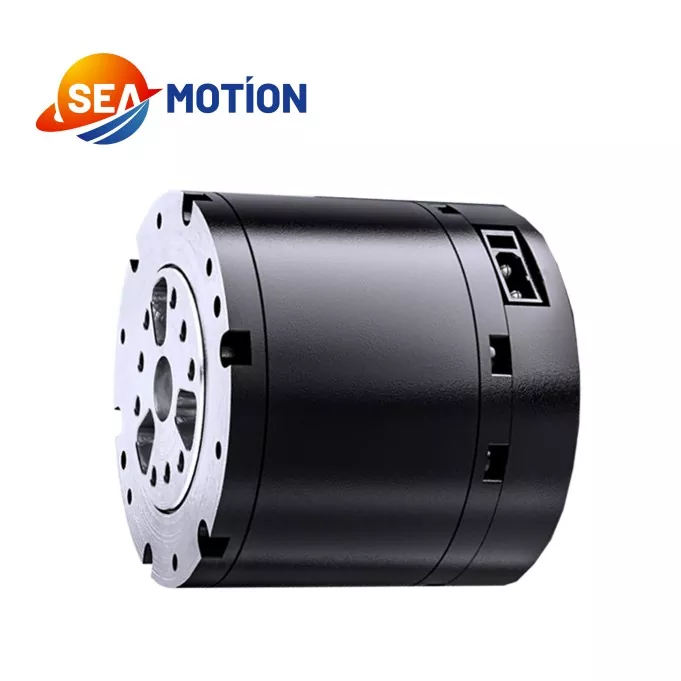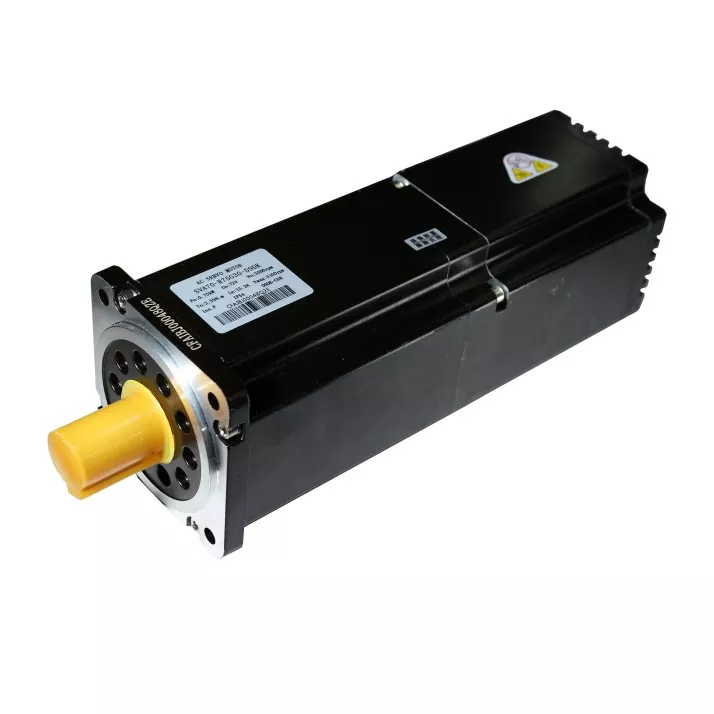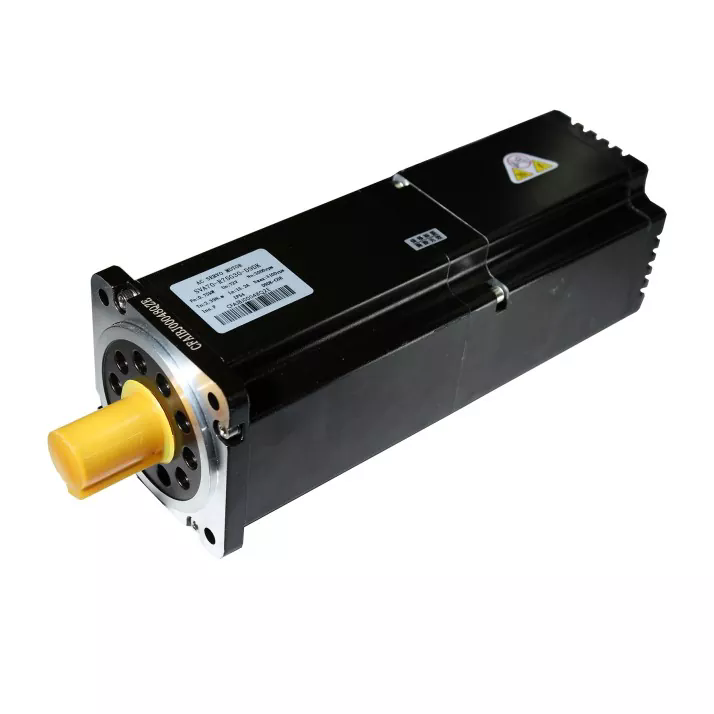
A Frameless Torque Motor is a permanent magnet synchronous motor supplied without a housing, bearings, or feedback device. The rotor and stator are delivered as separate, precision-engineered components that mount directly onto the load structure and the machine frame. This integration eliminates traditional mechanical transmission elements such as gearboxes, couplings, and belts, creating a zero-backlash, high-stiffness motion system. In robotics, machine tools, semiconductor manufacturing, and medical equipment, frameless torque motors are rapidly replacing housed servo motors because they deliver superior torque density, smoother velocity control, and a significantly smaller installed envelope. Engineers choose the frameless configuration when they need to embed rotary power directly into a joint, rotary table, or spindle, achieving the most compact and responsive electro-mechanical architecture possible.
What feedback devices are compatible with SEA MOTION frameless torque motors?
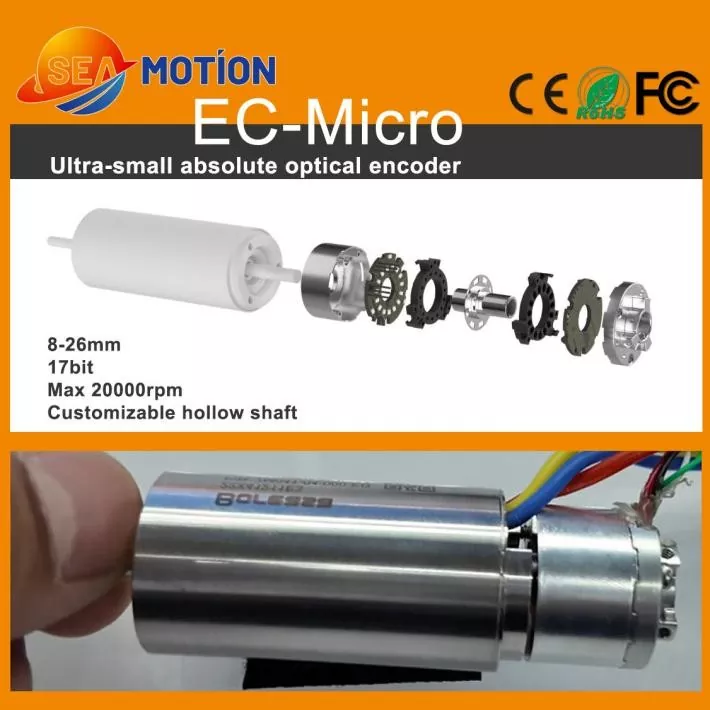
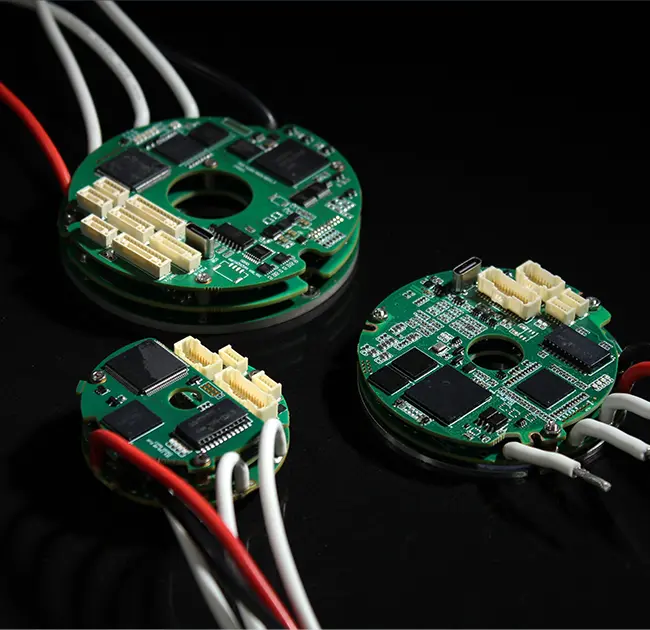
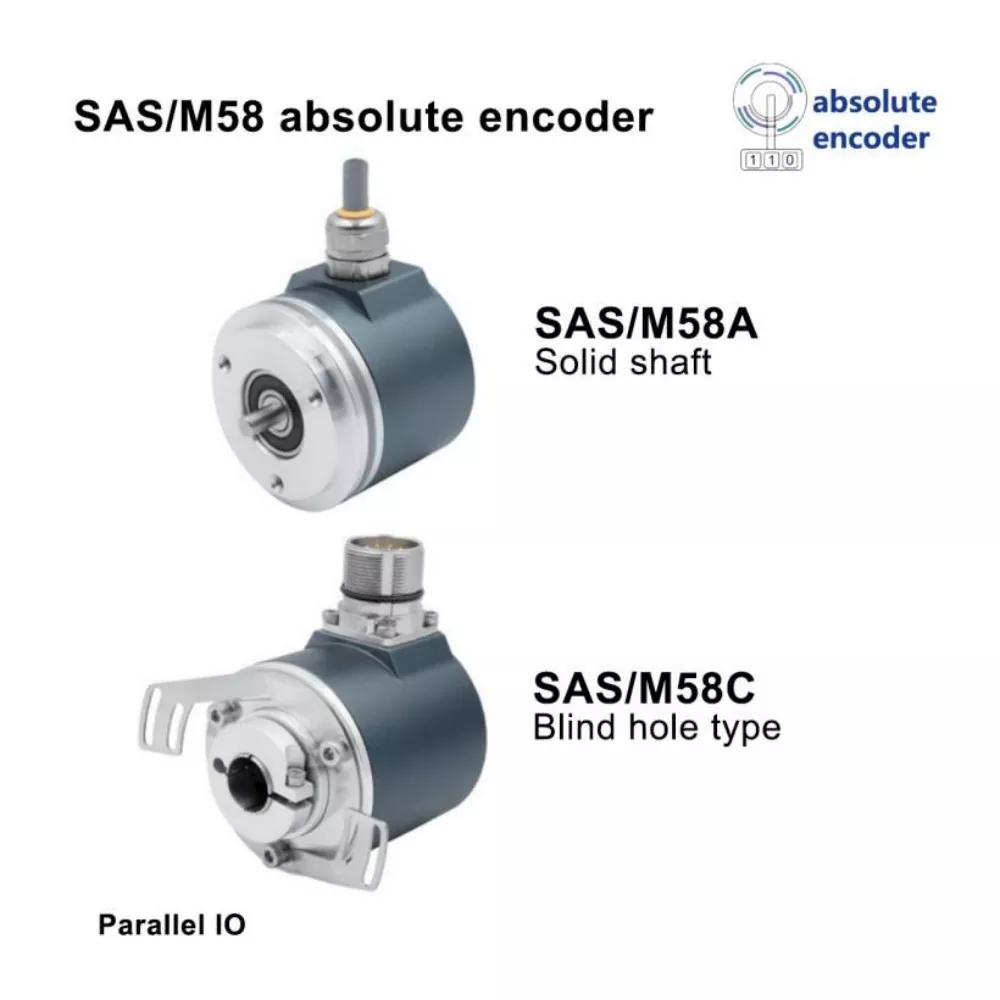
Because the motor is sold without a built-in feedback unit, the integrator can choose the sensor that best matches the application’s accuracy requirement. SEA MOTION validates compatibility with a wide range of encoders, including Heidenhain optical ring encoders, Renishaw magnetic encoders, and Inductive absolute encoders such as the Hyperface and BiSS-C protocols. For high-volume OEMs, SEA MOTION can co-develop an integrated feedback solution where the encoder ring is bonded to the rotor assembly and the read head is mounted on the stator housing. Typically, a resolution of 19 to 26 bits per revolution is recommended to get full advantage of the motor’s low cogging and smoothness.
What thermal management strategies are required?
Thermal management is critical to achieving the rated continuous torque. The most common approach is water or water-glycol liquid cooling through a jacket built into the stator housing. SEA MOTION specifies the minimum flow rate and maximum inlet temperature for each motor size. For intermittent duty or lower torque applications, natural convection with a finned aluminum housing and a small fan may be sufficient. The stator has embedded temperature sensors that should be connected to the drive’s thermal protection input. The drive can then fold back the current if the winding temperature exceeds the safe limit. In cleanroom or vacuum environments, active cooling must be designed without generating airborne particles, often using closed-loop liquid circuits.
How does SEA MOTION support custom designs and OEM integration?
SEA MOTION has a dedicated application engineering team that works directly with OEM customers from concept through volume production. Custom modifications include changes to the axial length to fit a specific envelope, alterations to the inner diameter for cable pass-through, specialized winding constructions for non-standard voltages, and integration of hall sensors for low-resolution commutation. Prototype parts can be delivered in as little as six weeks, and SEA MOTION provides on-site support during the initial machine assembly and tuning. The company maintains ISO 9001 and ISO 14001 certified manufacturing facilities and performs 100% electrical testing on every frameless torque motor before shipment.
SEA MOTION manufactures frameless torque motors in a vertically integrated facility equipped with in-house winding, magnet bonding, and testing stations. Every stator is subjected to hipot, surge, and winding resistance tests. Rotors undergo magnet polarity mapping and back-EMF harmonic analysis. The company maintains full material traceability, from magnet grade certification to lamination stack dimensional reports. Statistical process control is applied to key characteristics such as torque constant, cogging amplitude, and runout. As a result, performance variation from unit to unit is kept within ±3%, giving OEMs the confidence to design to a tight nominal specification. A clean assembly room for medical and semiconductor products ensures compliance with outgassing and particle count standards.
Technical documentation is provided in digital format, including 3D step files, 2D drawings, integration manuals, and servo tuning guides. SEA MOTION’s website hosts an extensive knowledge base with example wiring diagrams, application notes on thermal modeling, and downloadable drive parameter files. The company also offers regional training workshops and on-site commissioning support. With distribution centers in North America, Europe, and Asia, SEA MOTION can respond quickly to prototype requests and urgent production needs. By choosing SEA MOTION, engineers gain not only a precision frameless torque motor but a long-term partner in motion control innovation.