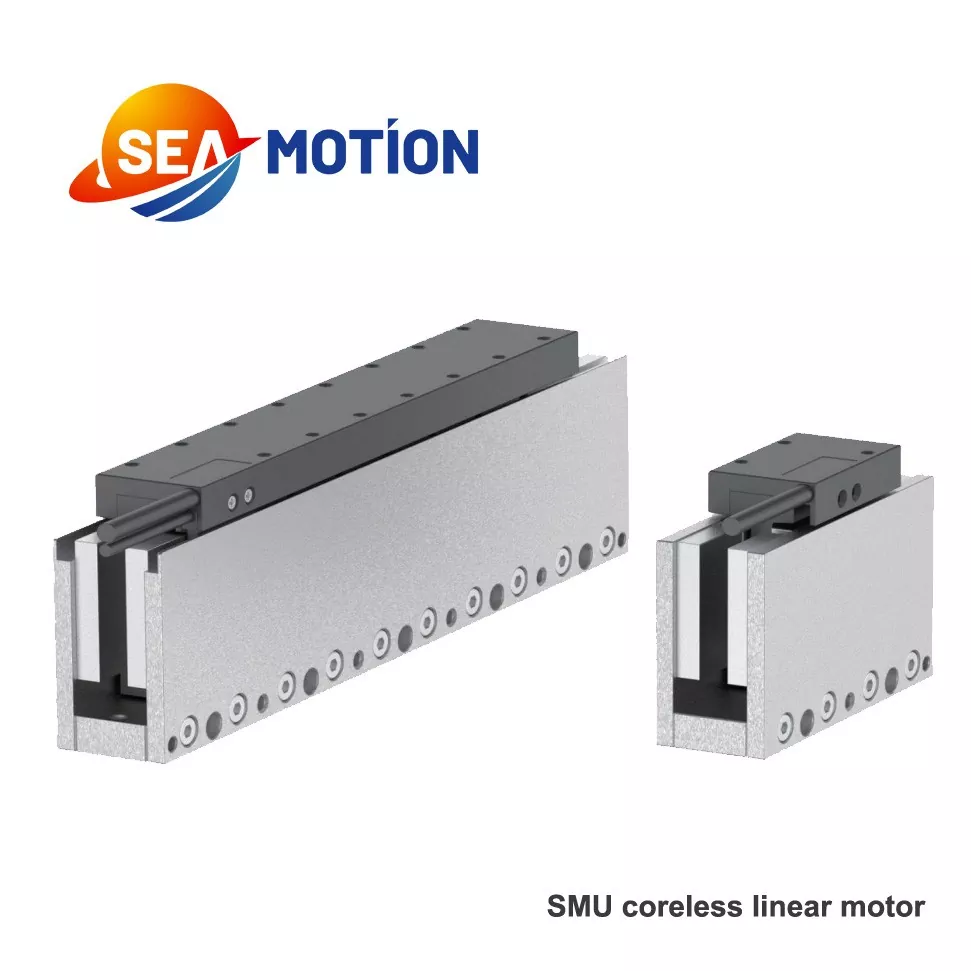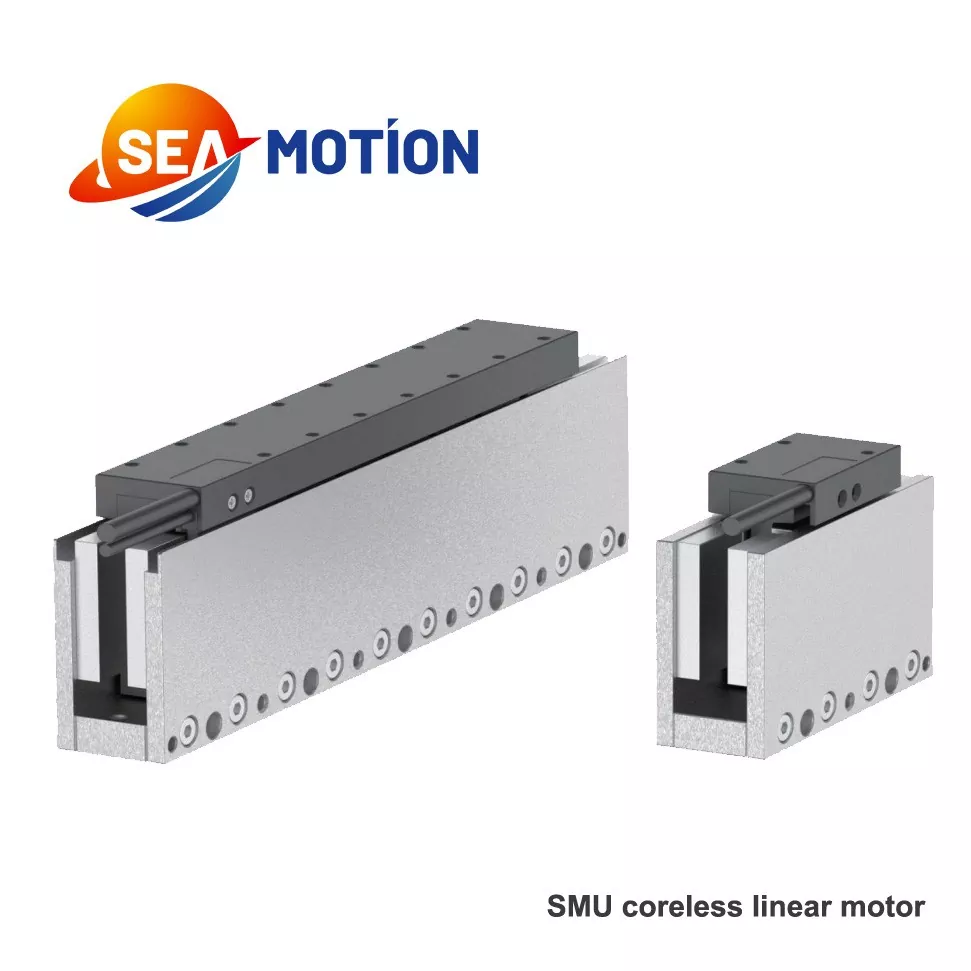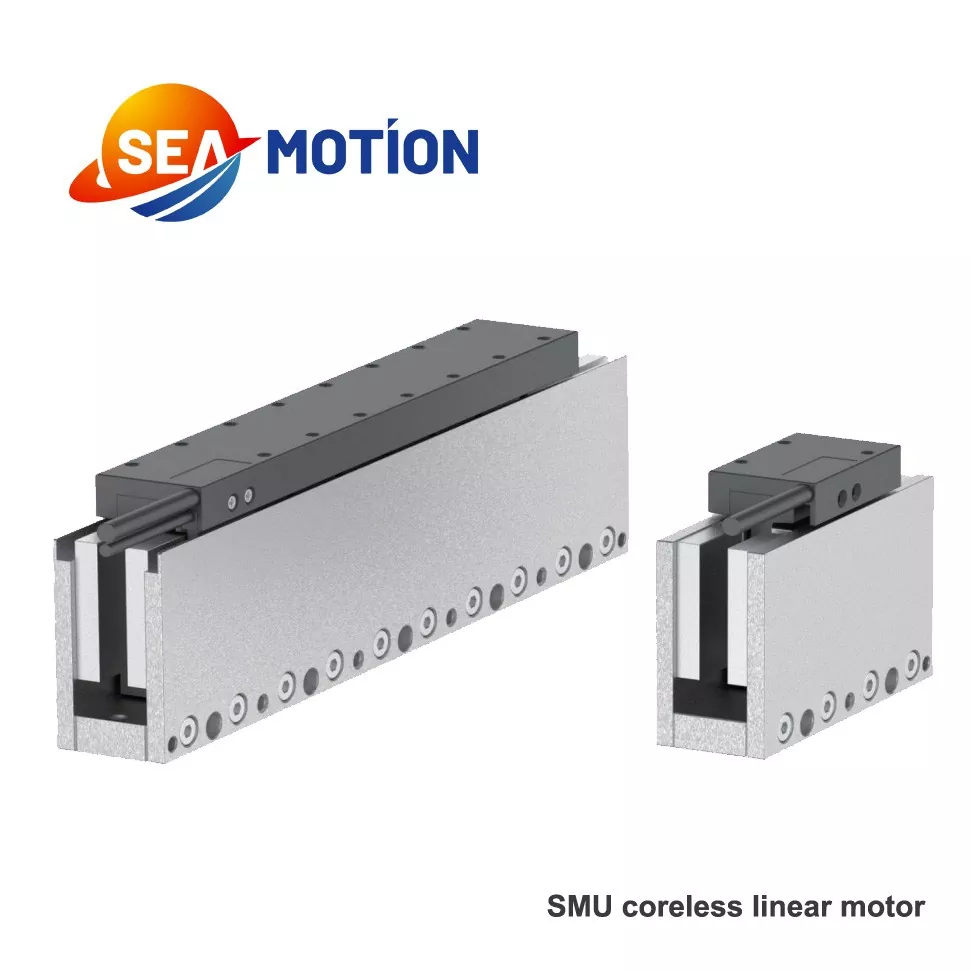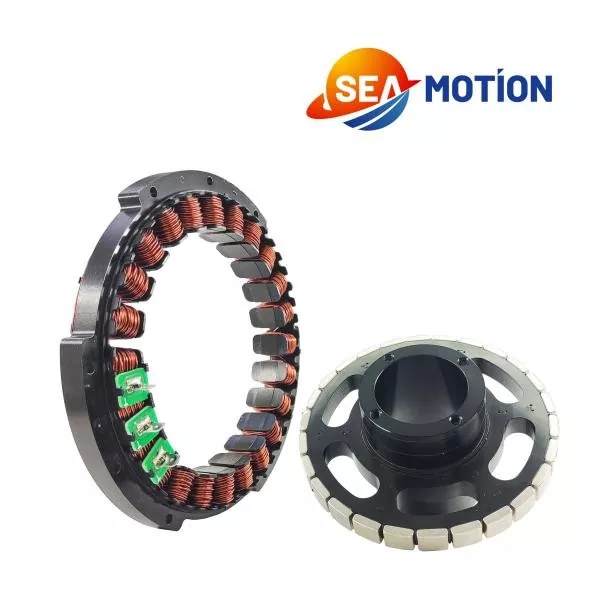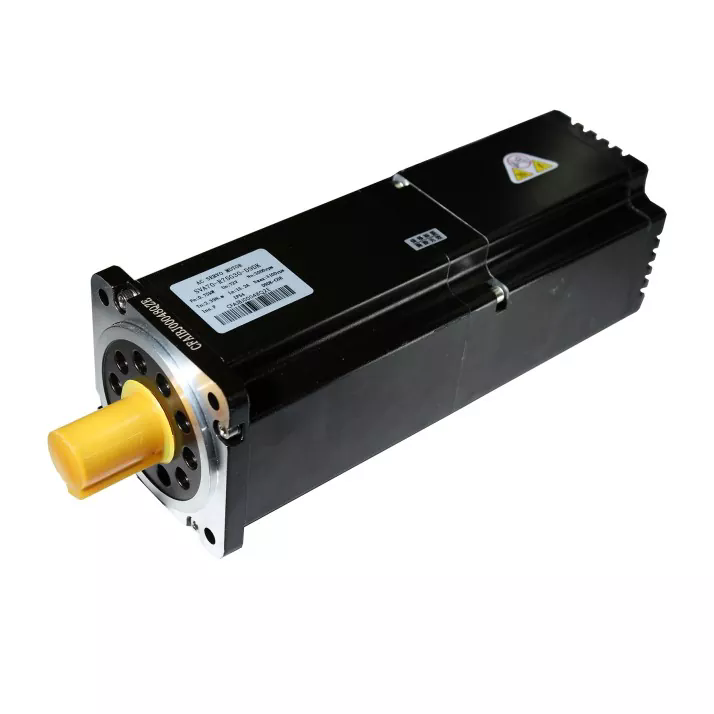
A Linear Motor is an electromagnetic direct-drive device that produces linear force and motion without mechanical transmission components such as ball screws, belts, or rack-and-pinion systems. Unlike rotary motors that require conversion mechanisms, a linear motor directly transforms electrical energy into straight-line movement. The stator (forcer) and the magnet track remain mechanically separated, which eliminates backlash, friction, and compliance. This architecture enables higher acceleration, greater precision, and longer maintenance-free operating life. The principle is simple: three-phase windings in the forcer interact with permanent magnets mounted along the track, generating a thrust that moves the payload along a guided trajectory. Because there is no mechanical coupling, the dynamic response is limited only by the drive electronics and the control algorithm.
Transitioning from screw- or belt-driven axes to a linear motor rewards machine designers with dramatically improved dynamic behavior. Because the mass of the load is directly coupled to the forcer, the overall mechanical resonance frequency shifts upward, expanding the usable bandwidth of the servo loop. Tuning becomes more aggressive without exciting structural modes. This characteristic is critical for laser drilling and die bonding, where settling times must be under 10 milliseconds after a 1-micron step.
Another substantial benefit is the absence of wear. No mechanical contact exists between the forcer and magnet track; the air gap is maintained by linear bearings. Therefore, there are no ball screw nut backlash adjustments or belt tension re-setting. The only components subject to wear are the linear guides and the encoder (if optical), both of which can be specified for extended life. SEA MOTION customers routinely report over 100,000 hours of operation in 24/7 production environments with no degradation in motion smoothness.
Thermal management is more straightforward than many engineers expect. In ironless designs, heat is generated in the encapsulated coils and conducted to the mounting plate. Water-cooled coils with integrated microchannels allow continuous power dissipation beyond 1 kW without exceeding a 100 °C winding temperature. SEA MOTION offers cooling plates and external chillers as part of the complete solution. Iron-core motors, due to their compact laminations, combine high thermal conductivity with a shorter thermal path, making them suitable for force-intensive applications such as press-fit and forming.
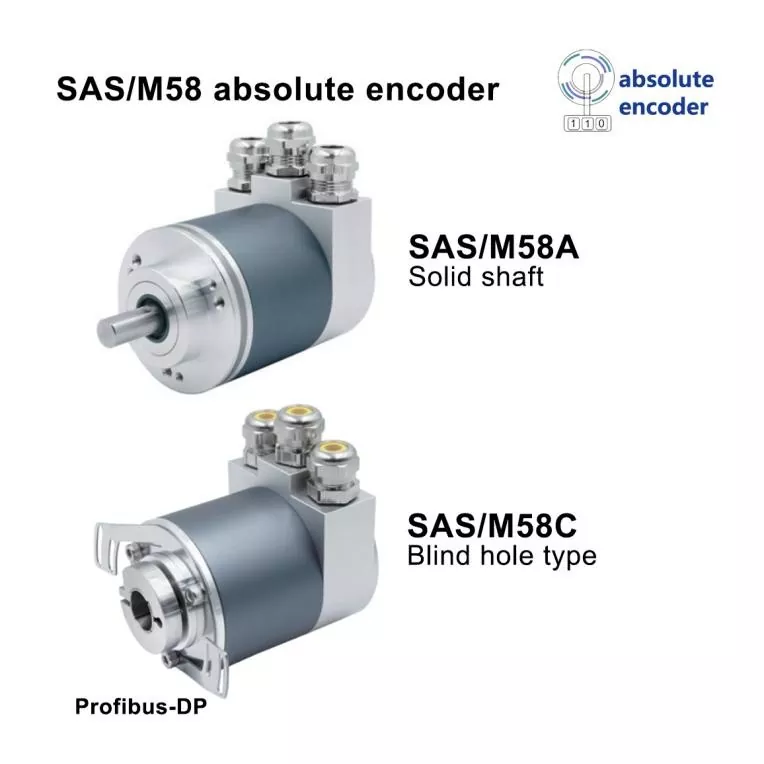
SEA MOTION does not just supply a motor; it delivers a complete motion subsystem. Every linear motor is matched with a servo drive, feedback device, and cooling component that has been tested as a system. The company’s application engineers perform finite element magnetic analysis and can share force maps, thermal models, and CAD data during the design phase. This level of transparency shortens the prototype-to-production timeline and minimizes risk.
Standard motors are available off-the-shelf with lead times of 2–4 weeks for most models. Customization options include special winding voltages, vacuum-compatible materials, non-standard magnet track curvatures for arc segments, and integration of optical or magnetic limit switches. SEA MOTION also offers training and on-site commissioning support to ensure that the motion system meets its specified accuracy and throughput targets. With a global service network, support is available around the clock.