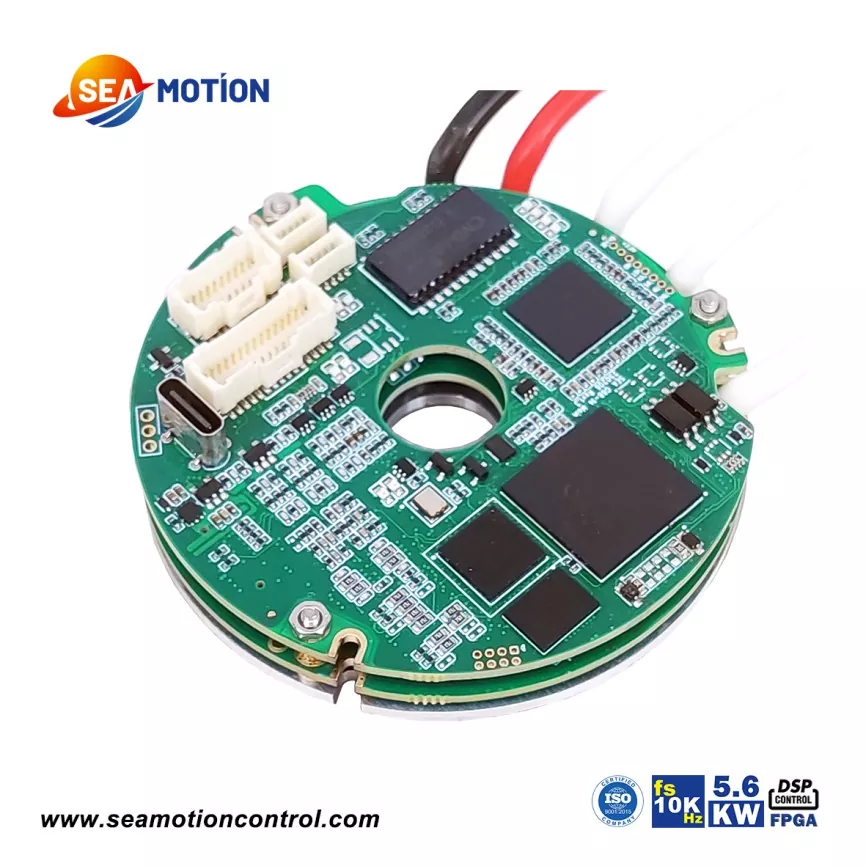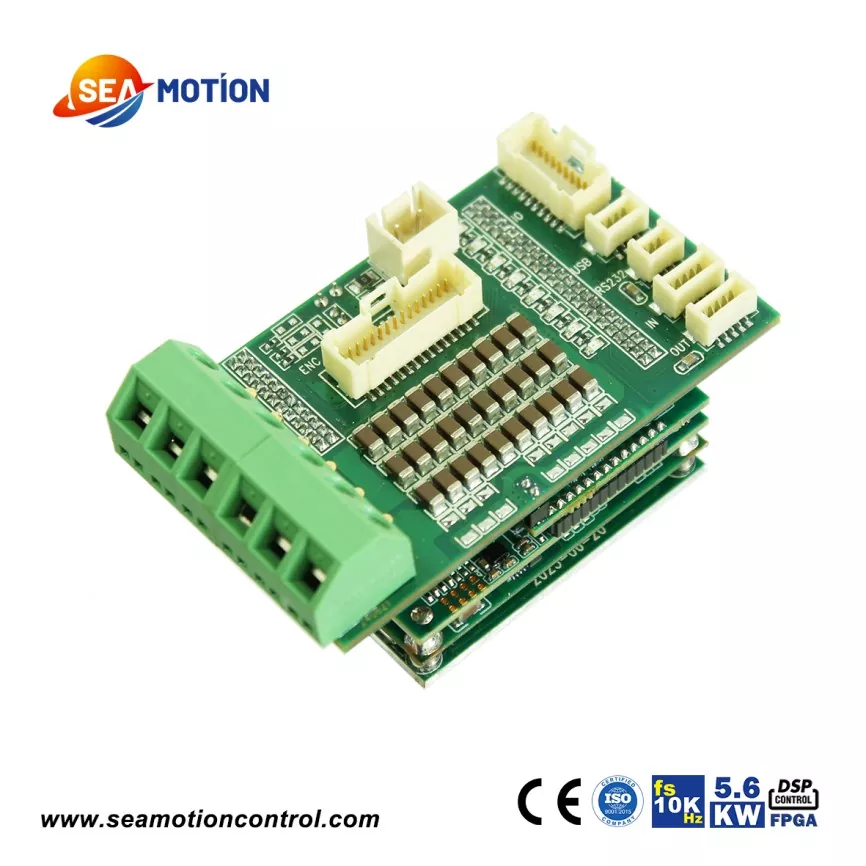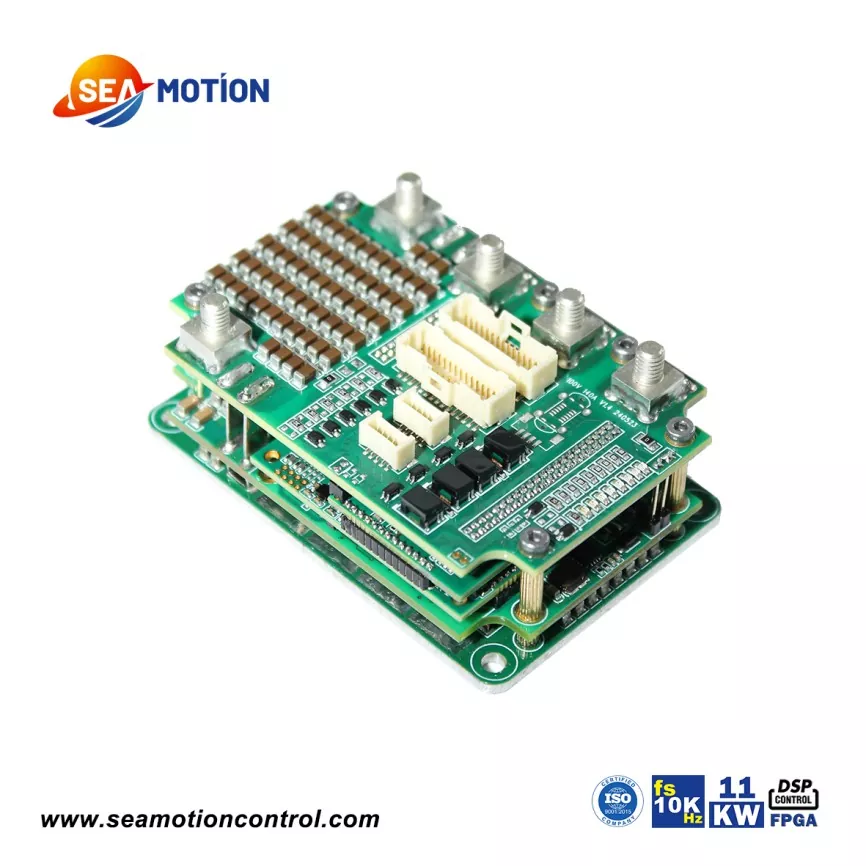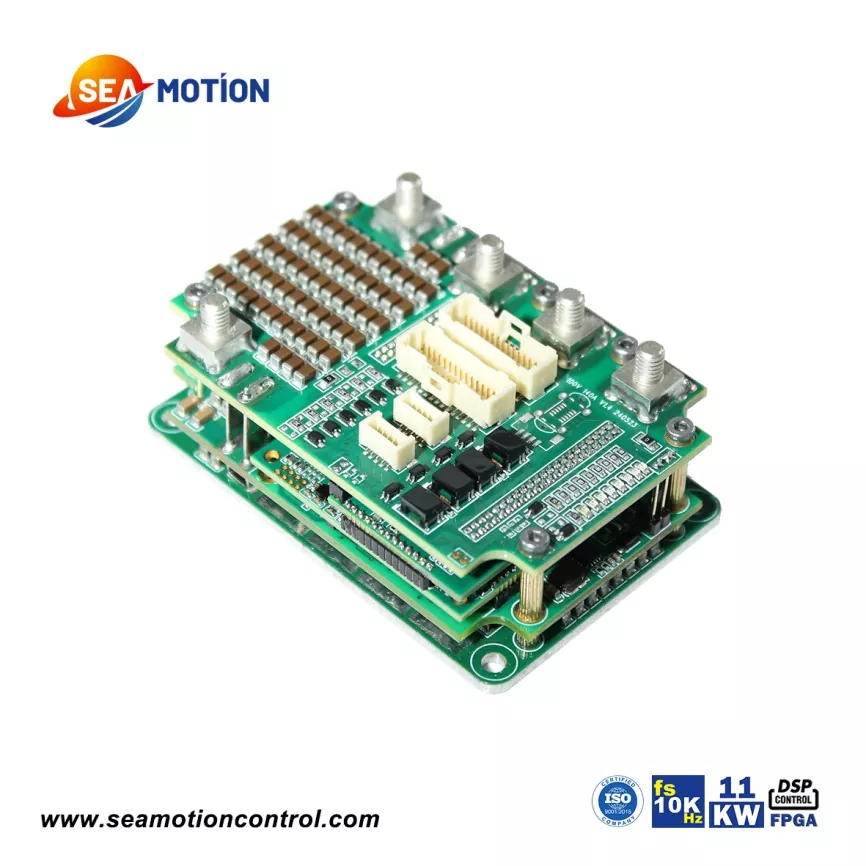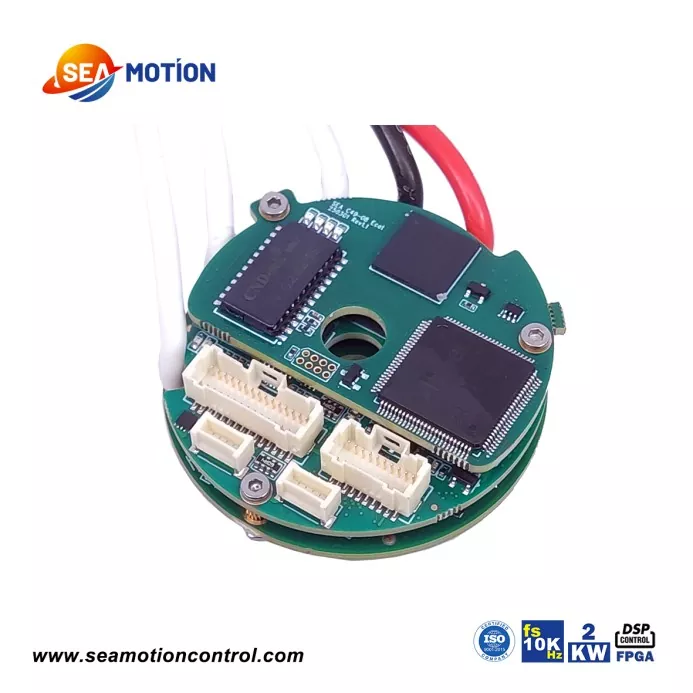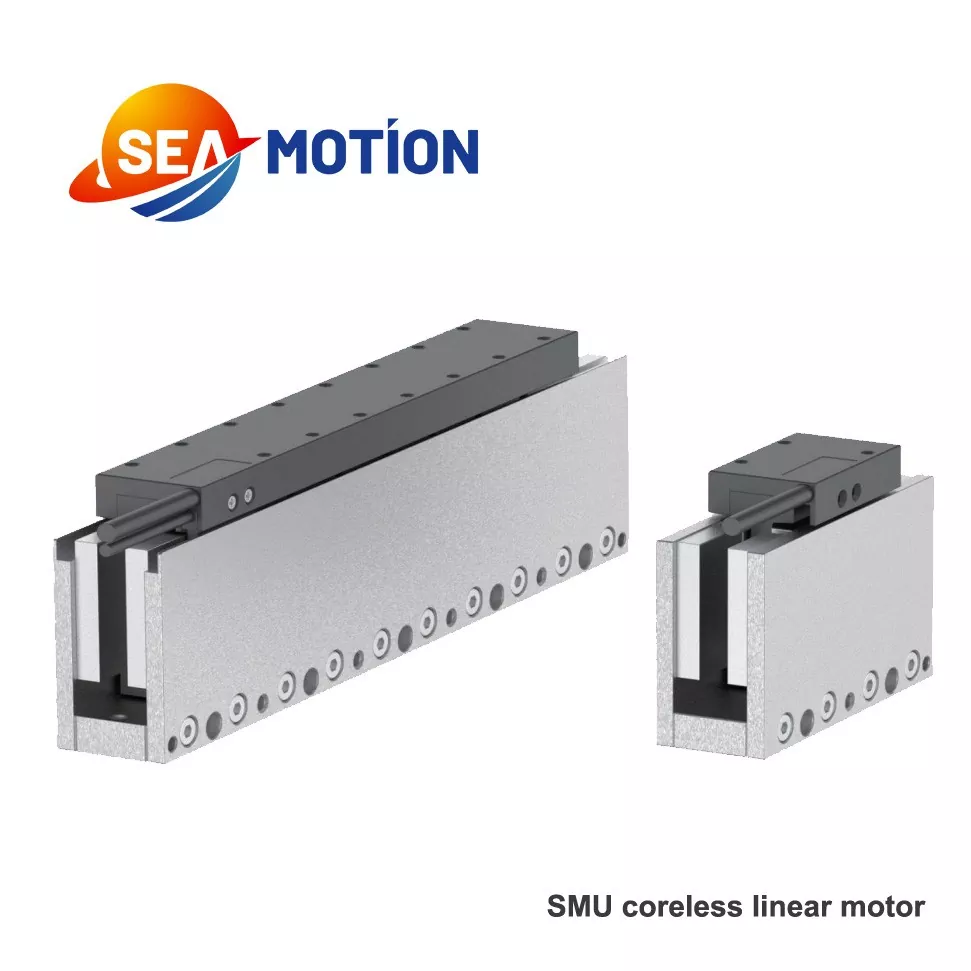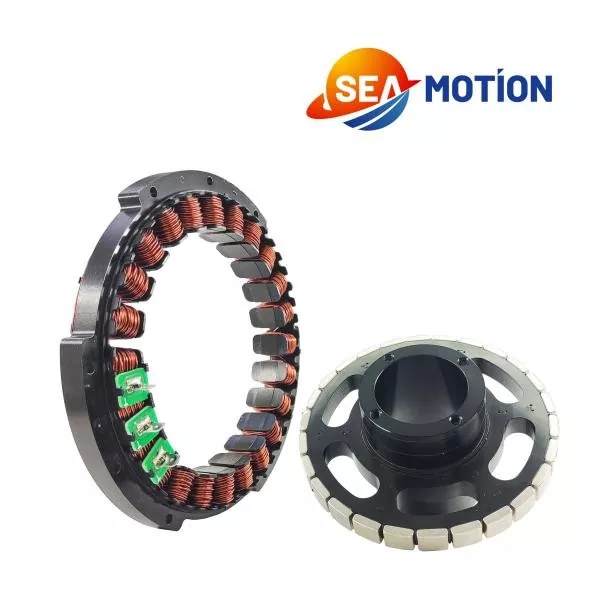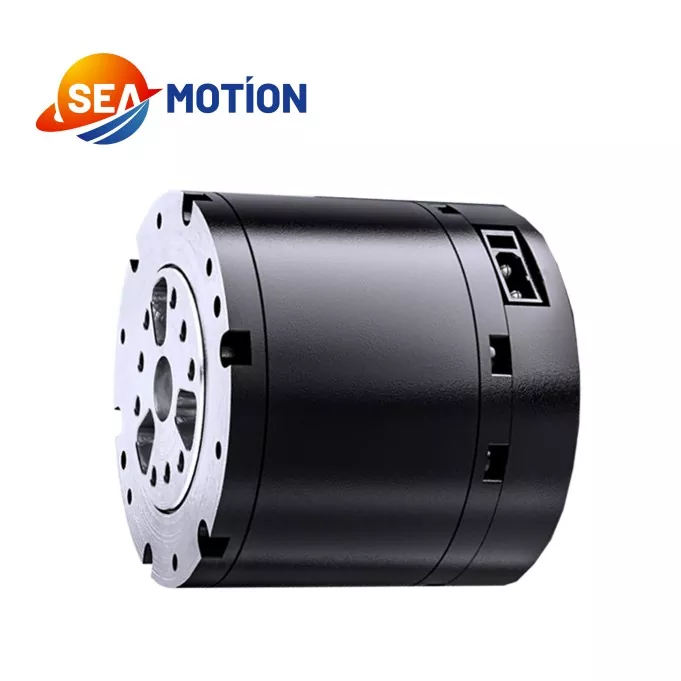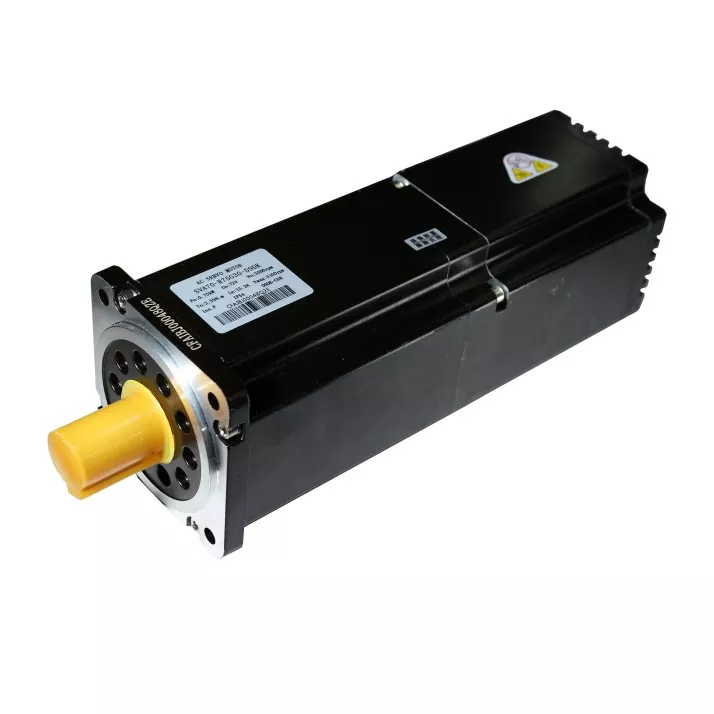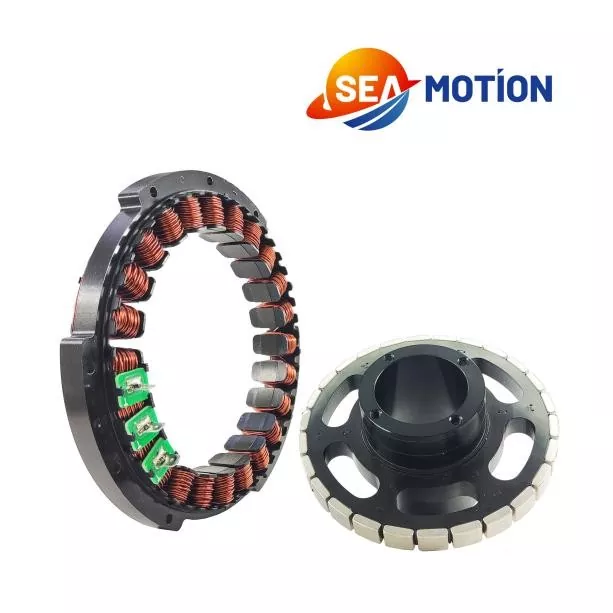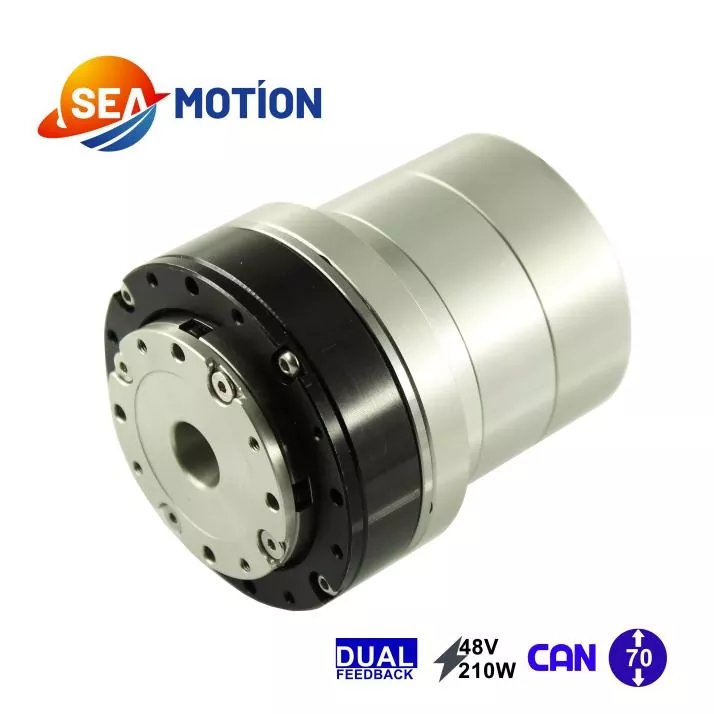
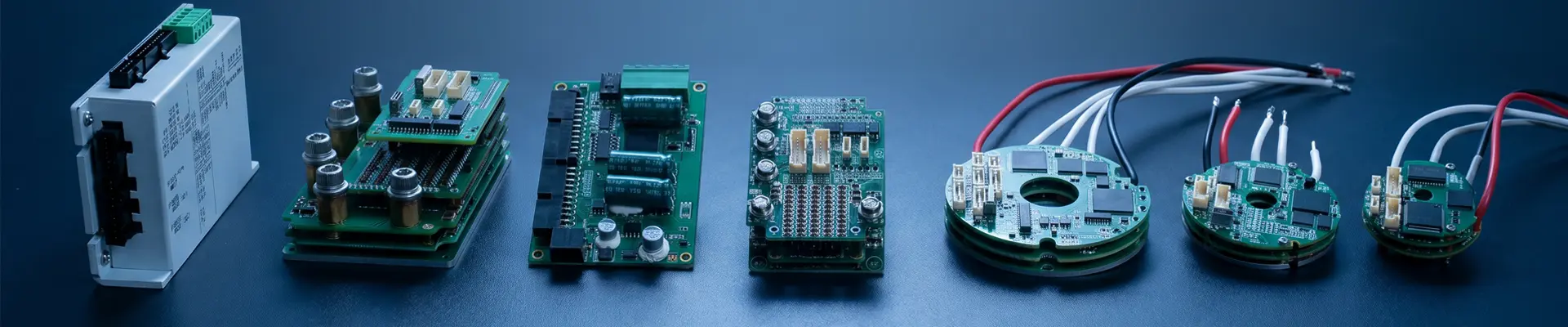
In the world of precision motion control, the DC Servo Drive is an essential component that transforms command signals into precise motor movements. Whether you are building an automated assembly line, a robotic arm, or a high-speed packaging machine, the DC servo drive ensures accurate torque, speed, and position control.
DC servo drives are found in an extensive range of industries. The ability to deliver precise torque and speed control makes them ideal wherever motion must be accurate and repeatable. Typical applications include:
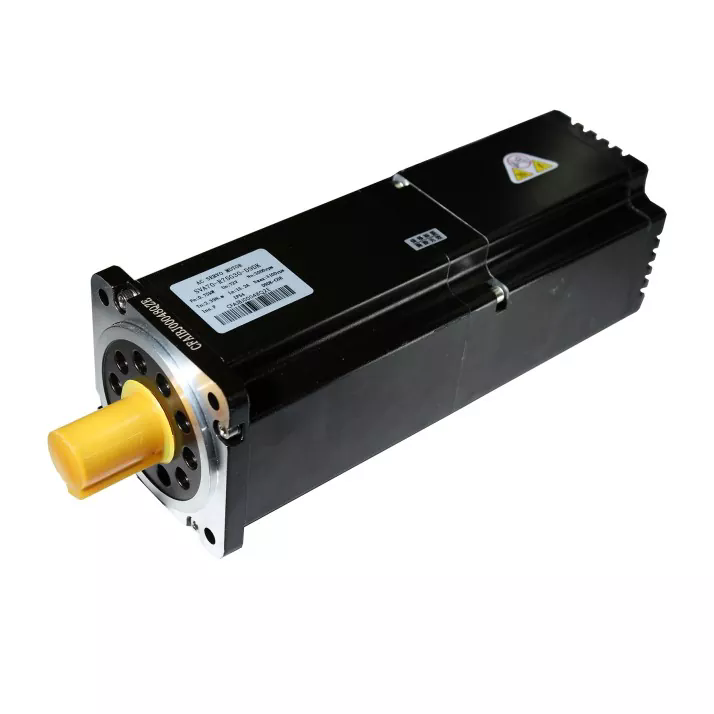
A DC servo drive commonly refers to a drive designed for brushed DC servo motors, while a brushless DC drive is meant for electronically commutated (brushless) motors. However, many modern DC servo drives, including those from SEA MOTION, can operate both brushed and brushless motors by configuring the output stage and commutation method. The fundamental closed-loop control principles remain the same, but brushless operation requires additional hall sensors or encoder commutation signals.
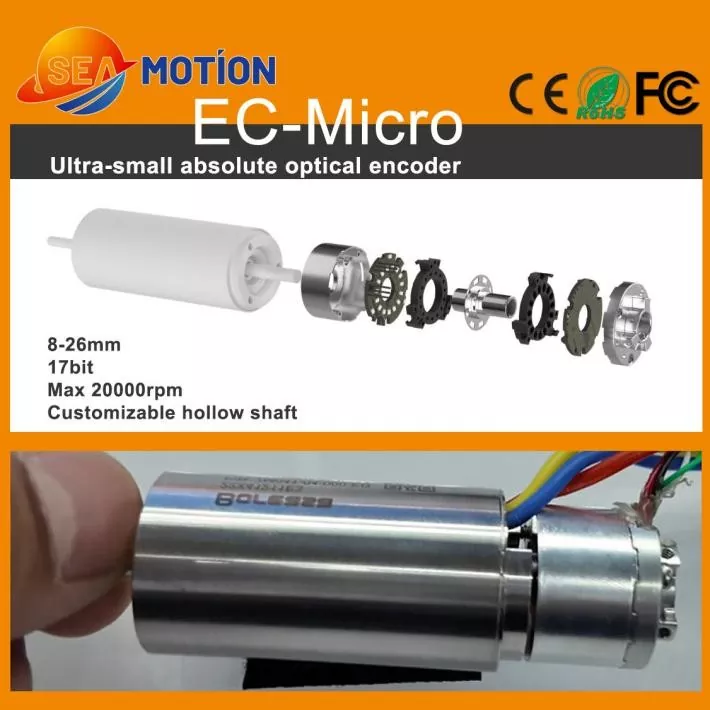
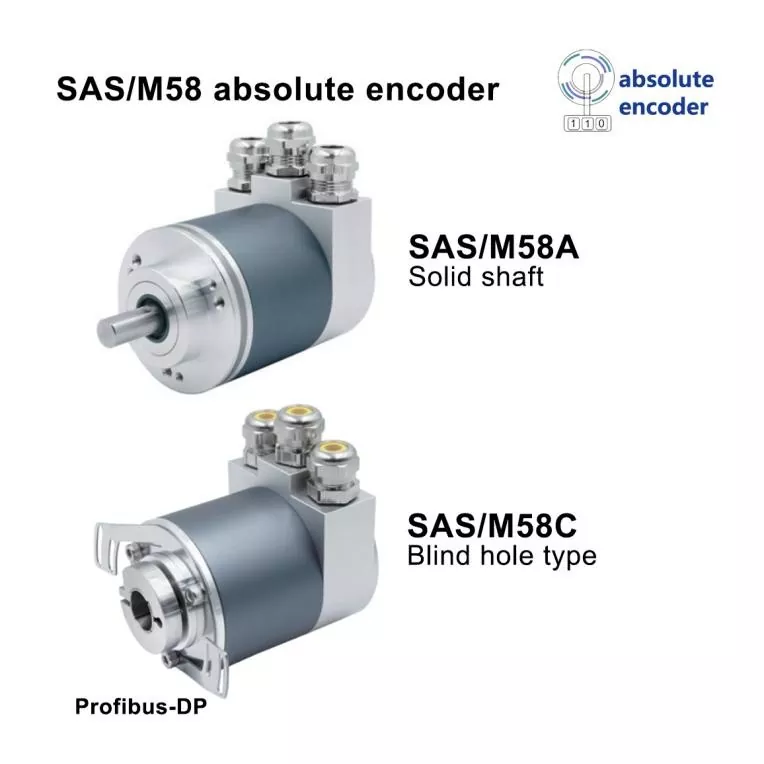
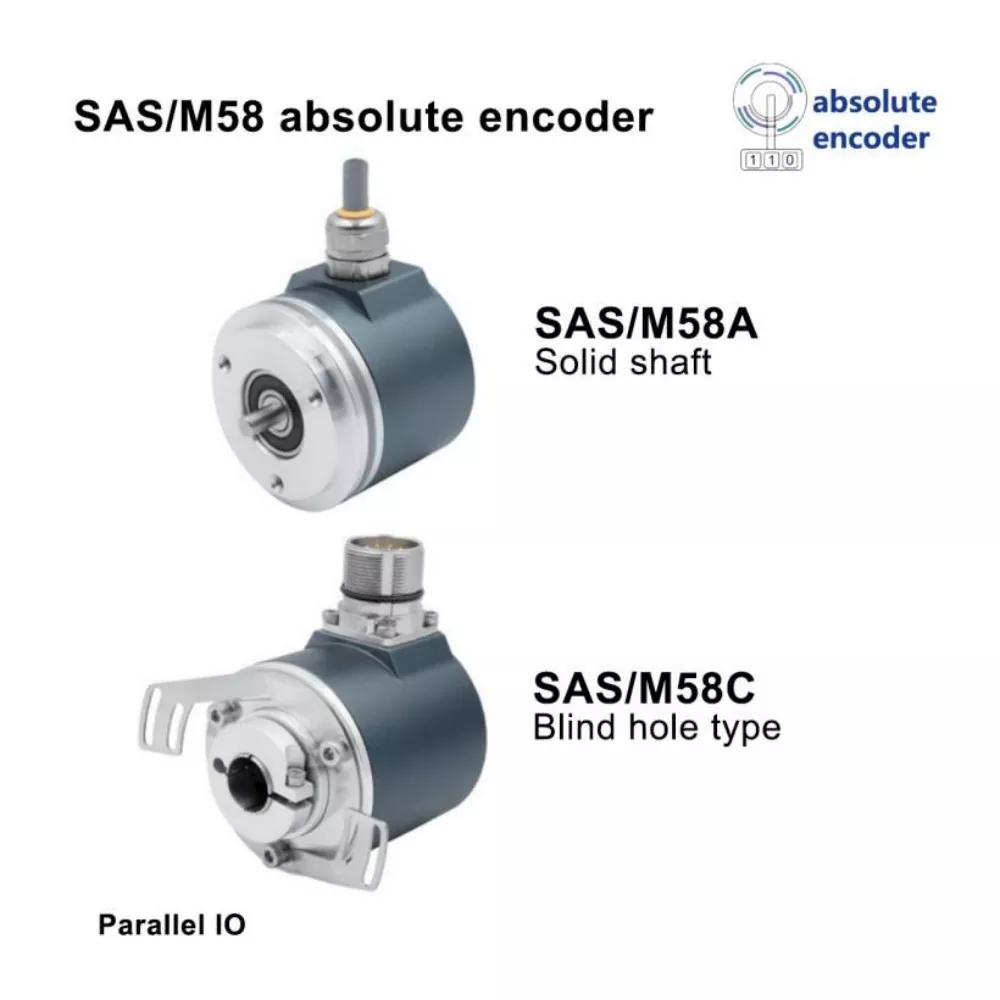
Q: What encoder resolution do I need for high-accuracy positioning?The required encoder resolution depends on your positioning tolerance and mechanical transmission. As a general rule, select an encoder that provides at least 10 times finer resolution than your desired positioning accuracy after factoring in gear ratios or lead screw pitch. For instance, if you need 0.01 mm linear accuracy with a 5 mm lead screw and no gearbox, you would need an encoder with at least 500 counts per revolution. SEA MOTION drives support encoder resolutions up to several million counts per revolution when using absolute encoders with BiSS or SSI interfaces, allowing sub-micron positioning.
Q: Why does my motor oscillate or make audible noise during operation?Oscillation typically indicates incorrect tuning. Start by reducing the proportional gain (Kp) and derivative gain (Kd) in the PID settings. If noise persists, check the mechanical coupling for misalignment or excessive compliance. Another common cause is an incorrect current loop bandwidth or PWM frequency set too low. SEA MOTION drives default to 20 kHz PWM, which is above the audible range, but certain motor inductances may require a lower frequency. Always match the drive’s current loop settings to the motor’s electrical time constant for stable operation.
With over two decades of motion control expertise, SEA MOTION has built a reputation for delivering robust and adaptable servo solutions. Our DC servo drives are designed from the ground up with industrial-grade components, ensuring stable operation even in harsh environments. We offer extensive technical support, from initial selection through commissioning and field service. Moreover, the flexibility of our firmware and hardware allows rapid customization to fit specific OEM requirements without long lead times.
Every SEA MOTION drive undergoes rigorous testing: burn-in cycles, full-load tests, and electromagnetic compatibility verification. This quality commitment minimizes downtime and helps our customers achieve higher machine throughput. Whether you are upgrading an existing system or developing new machinery, a SEA MOTION DC servo drive provides a future-proof foundation for precision motion.