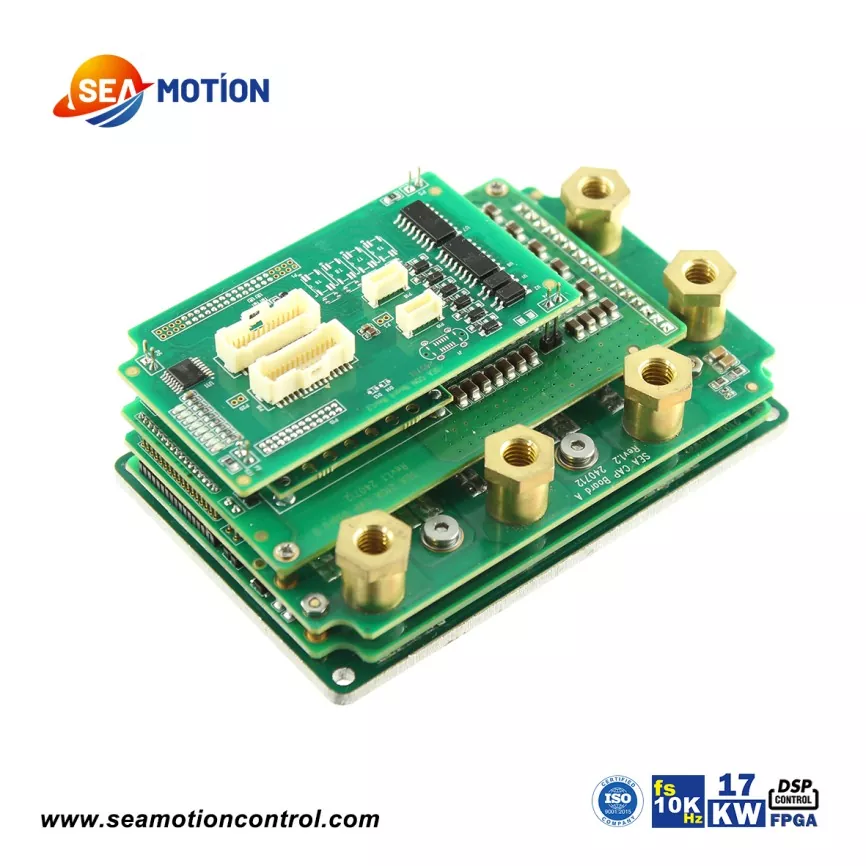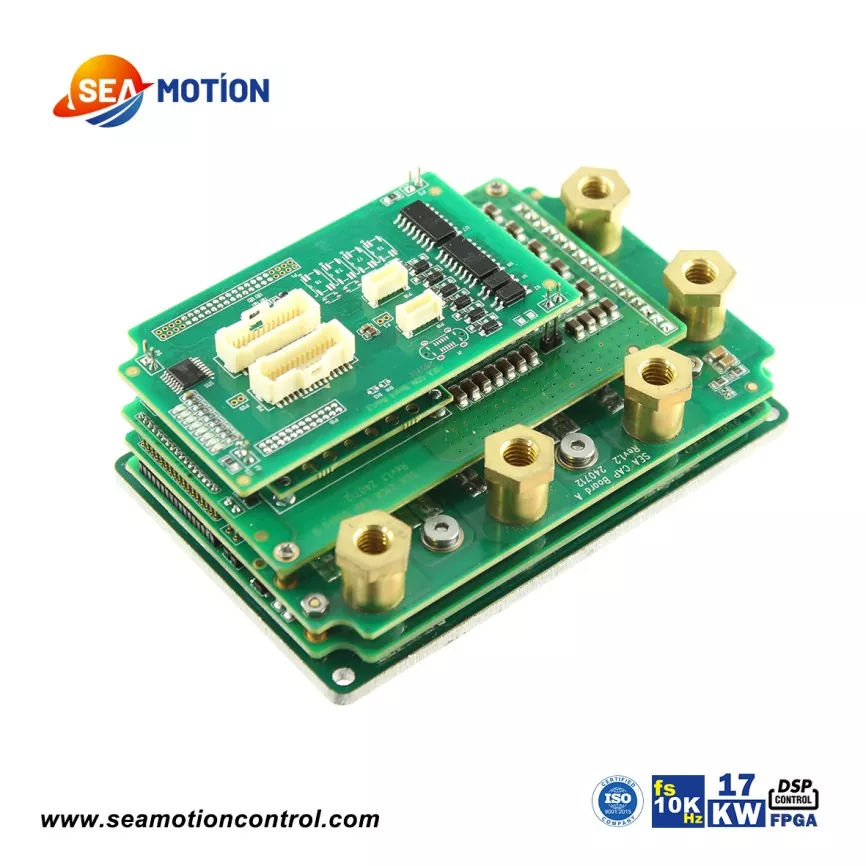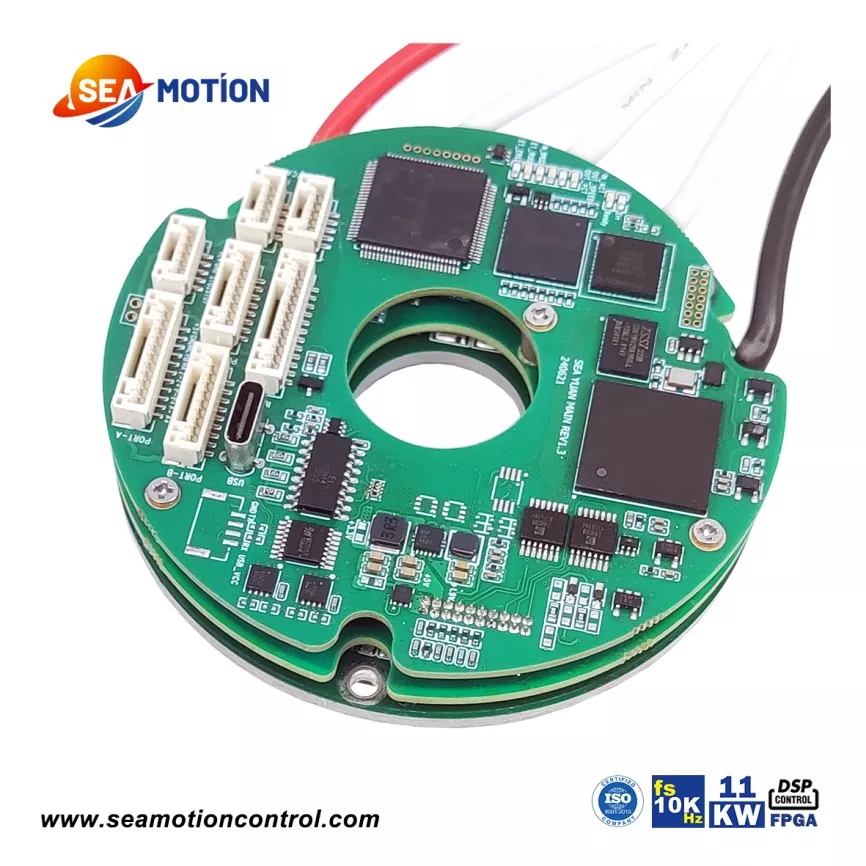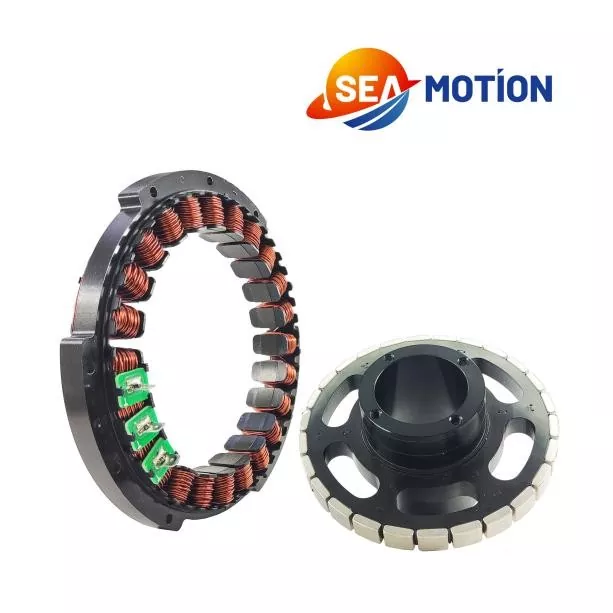

Modern automation systems are moving toward higher levels of intelligence, compact design, and operational flexibility. Traditional robotic structures often rely on separate motors, reducers, controllers, sensors, and wiring systems, which can increase installation complexity, maintenance costs, and overall system size. An Integrated Joint Module provides a more efficient approach by combining multiple critical components into a single compact unit.
For manufacturers, engineers, and automation solution providers, choosing the right joint module is not only about improving robotic performance. It is also about reducing development time, minimizing potential failures, and creating machines that can adapt to increasingly demanding industrial environments. SEA MOTION focuses on developing advanced motion control solutions that help customers achieve reliable and precise robotic operations.
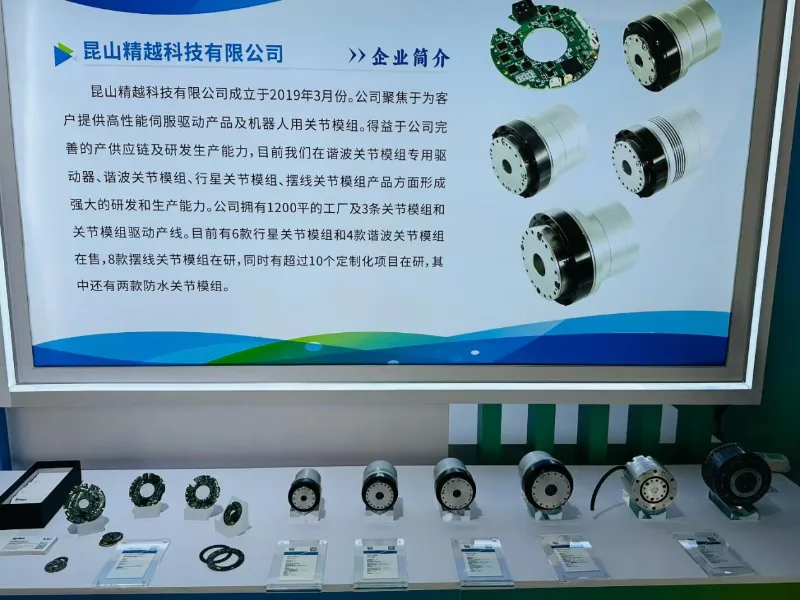
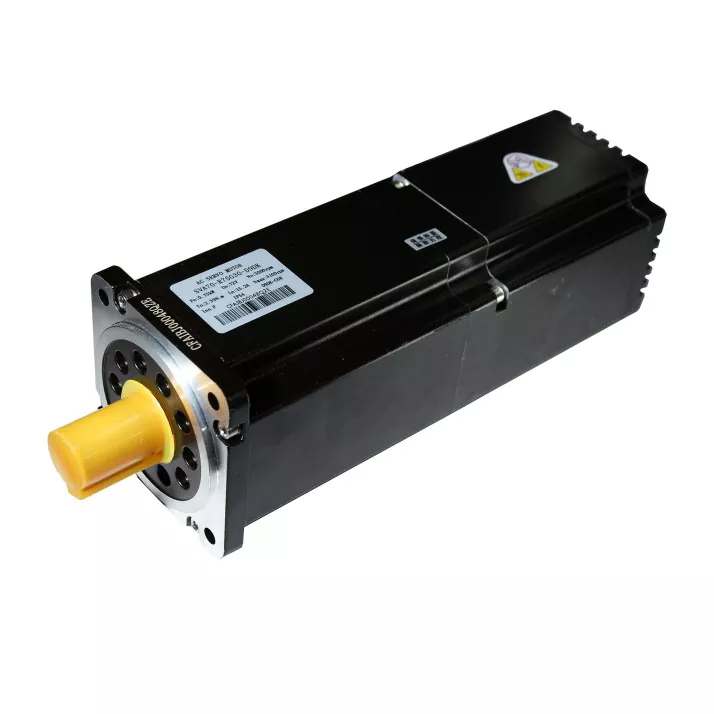
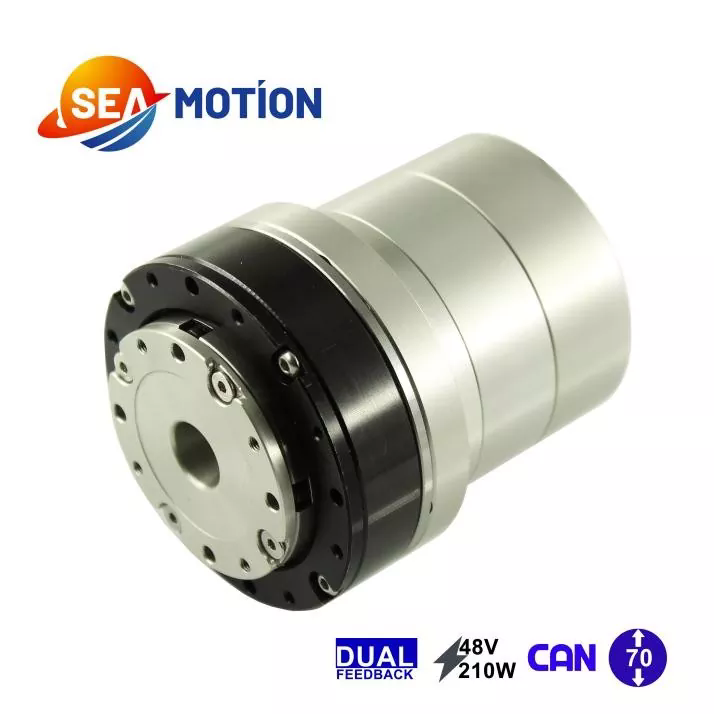
An Integrated Joint Module integrates drive systems, transmission mechanisms, feedback sensors, and control technologies into one optimized assembly. This integrated structure helps simplify robot design while improving motion accuracy, response speed, and system reliability.
An Integrated Joint Module functions as the key movement unit of a robotic system. It acts similarly to a human joint by providing controlled rotation, accurate positioning, and dynamic response. Instead of connecting multiple independent components together, the integrated design creates a complete motion solution within a single housing.
The working process generally includes several coordinated stages:
This integrated workflow allows robots to achieve smoother movement, better synchronization, and improved energy efficiency compared with conventional separated architectures.
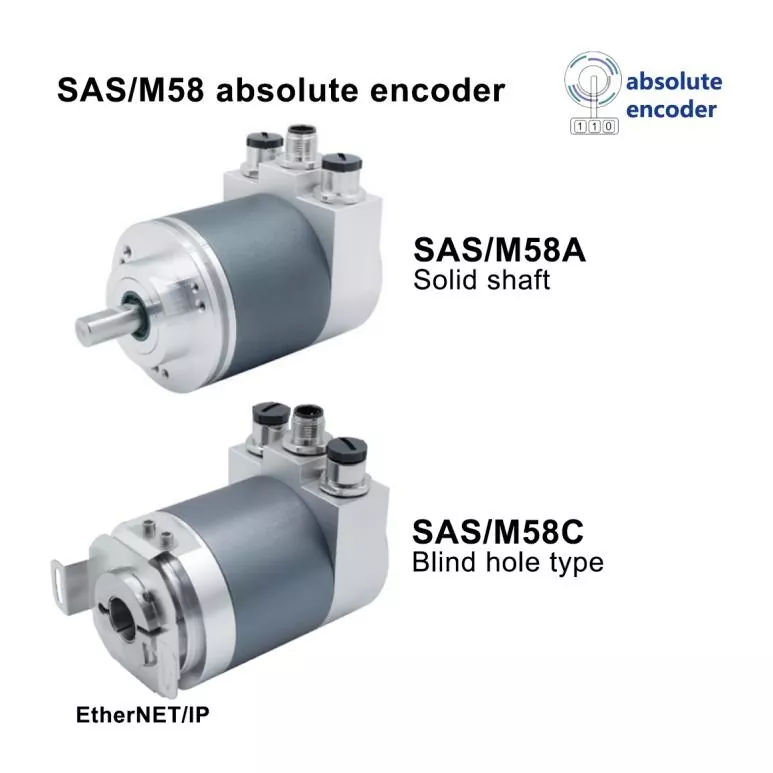
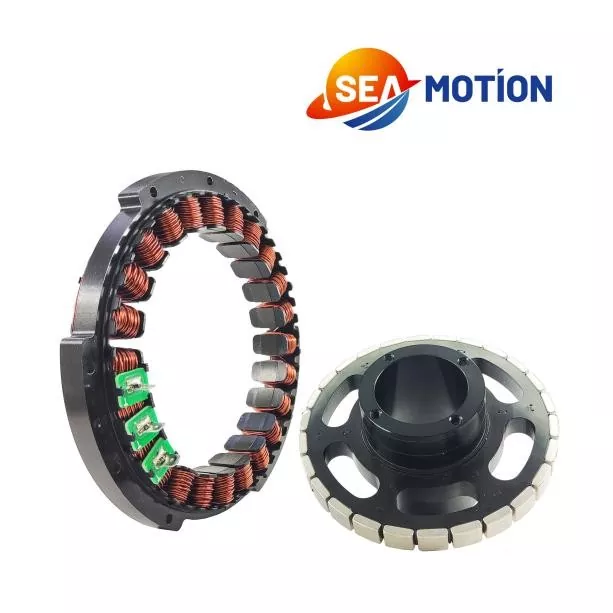
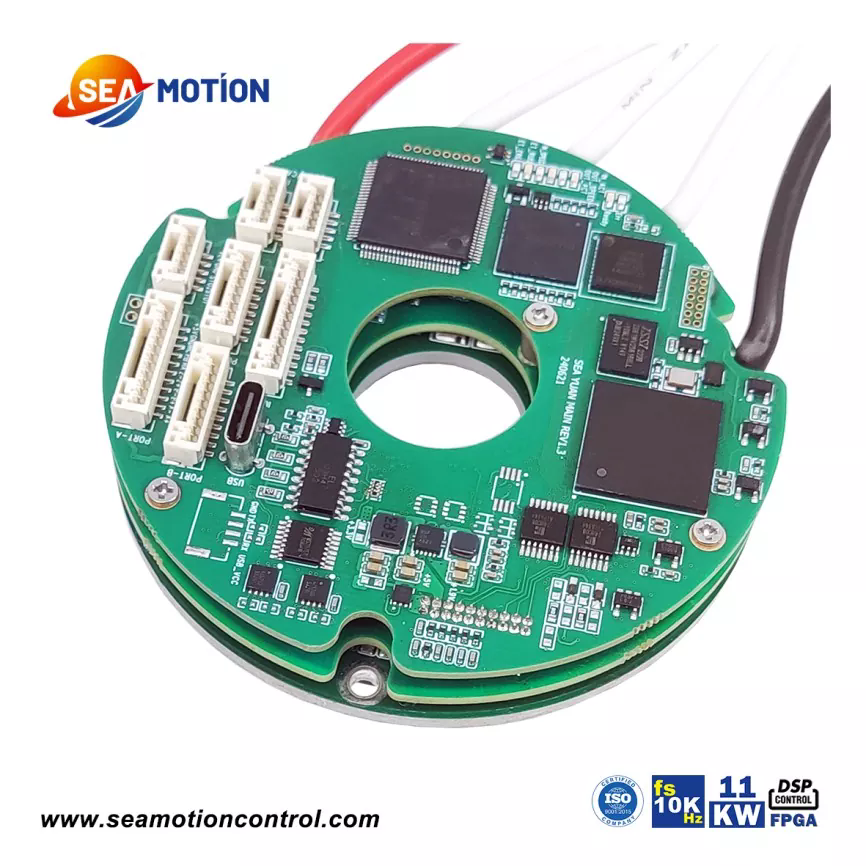
Understanding the internal structure of an Integrated Joint Module helps engineers select the right solution for different applications. Although configurations may vary depending on design requirements, most advanced modules include several essential elements.
| Component | Function | Customer Benefit |
|---|---|---|
| Servo Motor | Provides driving force for robotic movement | Delivers stable and responsive motion control |
| Precision Reducer | Controls speed reduction and torque output | Improves accuracy and load handling capability |
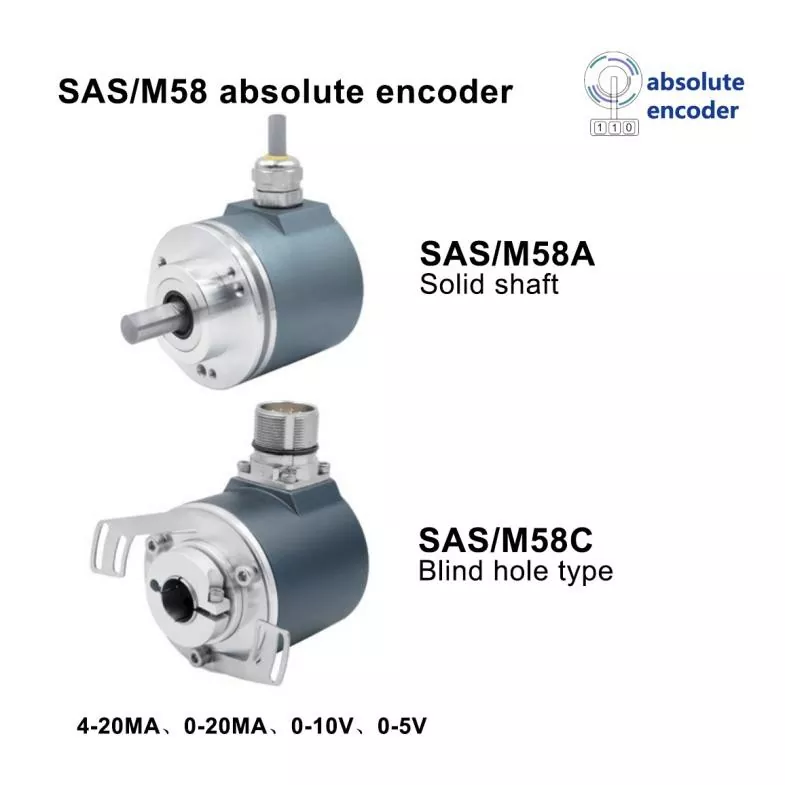
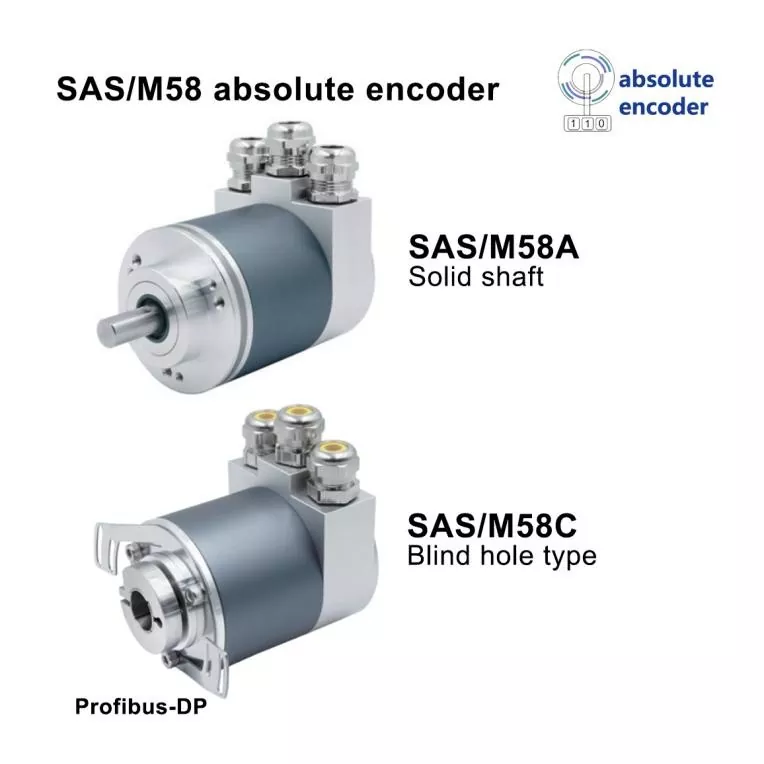
| Encoder System | Measures position and movement feedback | Enables precise positioning and repeatability |
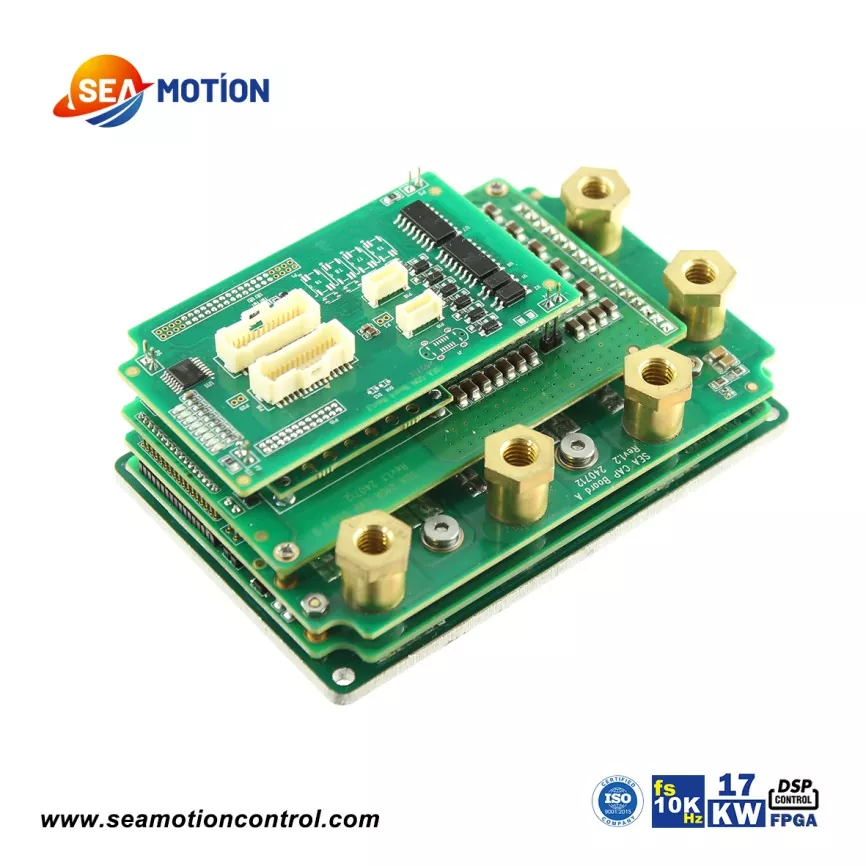
| Control Electronics | Processes commands and feedback signals | Simplifies system integration |
| Communication Interface | Connects the module with external control systems | Supports flexible automation architectures |
By combining these components into one compact structure, an Integrated Joint Module reduces the number of external connections required and improves overall system consistency.
Industrial users often face challenges such as limited installation space, complex wiring, difficult maintenance, and inconsistent performance between different mechanical components. Integrated Joint Modules address these problems through a more streamlined design approach.
One of the biggest advantages of an Integrated Joint Module is its compact form factor. Traditional robotic joints require separate installation areas for motors, drivers, reducers, and sensors. This increases the size of robotic equipment and limits design flexibility.
With integrated technology, multiple functional components are combined into one unit. This allows manufacturers to develop smaller collaborative robots, robotic arms, automation equipment, and intelligent machinery without sacrificing performance.
Complex assembly procedures can increase production time and create additional opportunities for installation errors. An Integrated Joint Module reduces the number of components that engineers need to connect manually.
The simplified structure helps:
For companies looking to accelerate automation projects, easier integration can significantly improve project efficiency.
Precision is one of the most important requirements in robotics. Manufacturing, medical equipment, laboratory automation, and service robots often require extremely accurate positioning.
Integrated Joint Modules combine high-performance motors, precision transmission systems, and feedback sensors to maintain stable operation. Real-time monitoring enables quick correction of movement deviations, helping robots achieve consistent performance.
The application range of Integrated Joint Modules continues to expand as industries adopt smarter automation technologies. Their compact structure and reliable performance make them suitable for various robotic and intelligent equipment applications.
| Application Field | Typical Equipment | Main Requirements |
|---|---|---|
| Industrial Automation | Robotic arms, assembly robots | High precision and continuous operation |
| Collaborative Robotics | Human-machine cooperation robots | Safety, flexibility, and compact design |
| Medical Robotics | Surgical assistance equipment | Accuracy and reliability |
| Service Robots | Mobile robots and intelligent devices | Lightweight structure and efficiency |
| Research Equipment | Experimental robotic platforms | Flexible configuration and easy control |
As robotic technology continues developing, Integrated Joint Modules are becoming a core component for creating smarter and more efficient automation solutions.
Selecting an appropriate Integrated Joint Module requires careful evaluation of technical requirements, operating conditions, and long-term performance expectations. Choosing only based on price may lead to problems such as insufficient torque, limited durability, or compatibility issues.
SEA MOTION provides integrated motion solutions designed to meet different automation requirements. By combining engineering experience with advanced motion technology, the company helps customers build efficient and reliable robotic systems.
When designing robotic equipment, engineers often need to decide between traditional joint structures and integrated solutions. Traditional designs have been widely used for many years, but they usually require separate installation of motors, reducers, drivers, sensors, and control units. This approach can create challenges in system optimization and maintenance.
An Integrated Joint Module offers a different design philosophy by combining key motion components into a unified structure. This not only improves mechanical integration but also helps manufacturers create more compact, intelligent, and reliable robotic products.
| Comparison Factor | Traditional Robotic Joint | Integrated Joint Module |
|---|---|---|
| System Structure | Multiple independent components connected together | Compact all-in-one motion solution |
| Installation Complexity | Requires extensive assembly and wiring | Simplified installation process |
| Space Utilization | Requires larger installation space | Optimized compact design |
| Maintenance | More components require individual inspection | Easier troubleshooting and replacement |
| System Reliability | Performance depends on multiple component matching | Integrated components improve coordination |
| Development Efficiency | Longer design and testing cycles | Faster robotic system development |
For companies developing next-generation automation equipment, the integrated approach can reduce engineering difficulties while improving overall product competitiveness.
Many automation manufacturers encounter similar challenges during equipment development. These problems can affect production efficiency, product quality, and project costs. An Integrated Joint Module provides practical solutions to many common difficulties.
Developing robotic systems with separate components requires engineers to carefully match motors, reducers, sensors, and controllers. Compatibility issues may appear during assembly, testing, or operation.
An integrated solution minimizes these challenges because the major motion components are designed as a coordinated system. This reduces engineering workload and allows companies to focus more on application development.
A robotic system contains many moving parts and electronic connections. Each additional connection point may become a potential source of failure. Integrated designs reduce unnecessary interfaces and help improve operational stability.
For industries requiring continuous production, improved reliability can reduce downtime and maintenance expenses.
Market competition requires manufacturers to launch new robotic products faster than before. Long development cycles can delay business opportunities.
Using an Integrated Joint Module allows designers to shorten mechanical design processes and accelerate prototype development. This is especially valuable for companies working on collaborative robots, intelligent machines, and customized automation equipment.
The future development of robotic systems is closely connected with improvements in motion control technology. Integrated Joint Modules are evolving from simple mechanical movement units into intelligent motion platforms.
Several technology trends are influencing the next generation of integrated joint solutions:
These improvements will allow Integrated Joint Modules to play a more important role in intelligent manufacturing and advanced robotics.
Although Integrated Joint Modules are designed for reliability, proper maintenance remains important for maximizing service life and maintaining stable performance.
| Maintenance Item | Recommended Practice | Purpose |
|---|---|---|
| Regular Inspection | Check operating condition and abnormal signals | Identify potential issues early |
| Environmental Monitoring | Keep operating conditions within recommended ranges | Protect internal components |
| Connection Check | Inspect electrical and communication connections | Maintain stable data transmission |
| Software Updates | Apply compatible control improvements when available | Enhance system performance |
| Load Management | Operate within specified torque limits | Prevent unnecessary mechanical stress |
A professional maintenance strategy helps companies achieve consistent robotic performance and reduce unexpected production interruptions.
Selecting a reliable technology partner is essential when developing advanced robotic systems. Customers need more than individual components; they require motion solutions that can support their engineering goals and application requirements.
SEA MOTION specializes in motion control technologies and provides Integrated Joint Module solutions designed for modern automation needs. The company focuses on combining precision engineering, efficient design, and practical application experience to help customers improve robotic performance.
The advantages of working with SEA MOTION include:
Whether for industrial robots, collaborative automation equipment, or intelligent machinery, SEA MOTION works to provide dependable Integrated Joint Module solutions that help customers achieve higher efficiency and better system performance.
The demand for intelligent automation continues to grow across manufacturing, healthcare, logistics, and service industries. As robots become smaller, smarter, and more capable, the need for highly integrated motion systems will continue increasing.
Integrated Joint Modules will become an important foundation for future robotic platforms because they provide the combination of compact structure, accurate control, and simplified system design.
From industrial production lines to emerging intelligent devices, integrated motion technology will help companies create more flexible and efficient automation solutions.
An Integrated Joint Module is a compact robotic motion component that combines functions such as motor drive, reduction transmission, position sensing, and control communication into one unit. It simplifies robotic system design and improves motion performance.
They help reduce system complexity, save installation space, improve motion accuracy, and shorten robotic development time. These advantages make them suitable for modern automation applications.
Yes. Different robotic applications may require different torque levels, sizes, communication methods, and performance specifications. Professional manufacturers can provide customized solutions based on application requirements.
They are widely used in industrial robots, collaborative robots, medical equipment, service robots, intelligent manufacturing systems, and research platforms.
Customers should consider factors including payload requirements, torque capacity, accuracy, operating environment, communication compatibility, and expected service life before making a selection.
An Integrated Joint Module provides an effective solution for companies seeking more compact, reliable, and efficient robotic systems. By combining multiple motion components into a unified design, it helps overcome many limitations associated with traditional robotic architectures.
As automation technology continues evolving, integrated motion solutions will become increasingly valuable for manufacturers that need faster development, improved performance, and flexible robotic capabilities.
SEA MOTION is committed to providing advanced Integrated Joint Module solutions that support customers in building reliable and intelligent automation systems. For professional assistance, customized solutions, and more information about advanced motion control products, please contact us today and discover how SEA MOTION can support your next-generation robotic applications.