
Article Summary: A planetary joint module is an integrated motion-control solution designed to deliver torque, controlled movement, and reliable positioning in robotic systems. As intelligent robots become more widely used in industrial automation, humanoid robotics, and mobile equipment, selecting the right joint architecture is essential for balancing performance, cost, and integration complexity. SEA MOTION develops planetary joint modules that combine a frameless torque motor, planetary reducer, dual magnetic encoder feedback, and a dedicated driver. This article explores their operating principles, key specifications, application scenarios, and practical selection considerations for engineers and industrial equipment manufacturers.
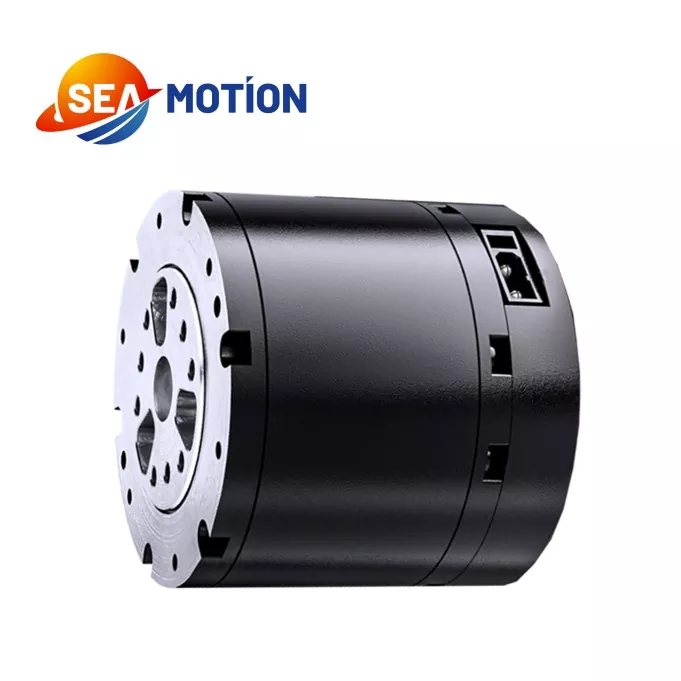
A planetary joint module is an integrated electromechanical assembly that generates and controls rotational movement around a robotic joint. Rather than requiring engineers to source and assemble every motion component independently, an integrated module combines several essential elements into a coordinated unit.
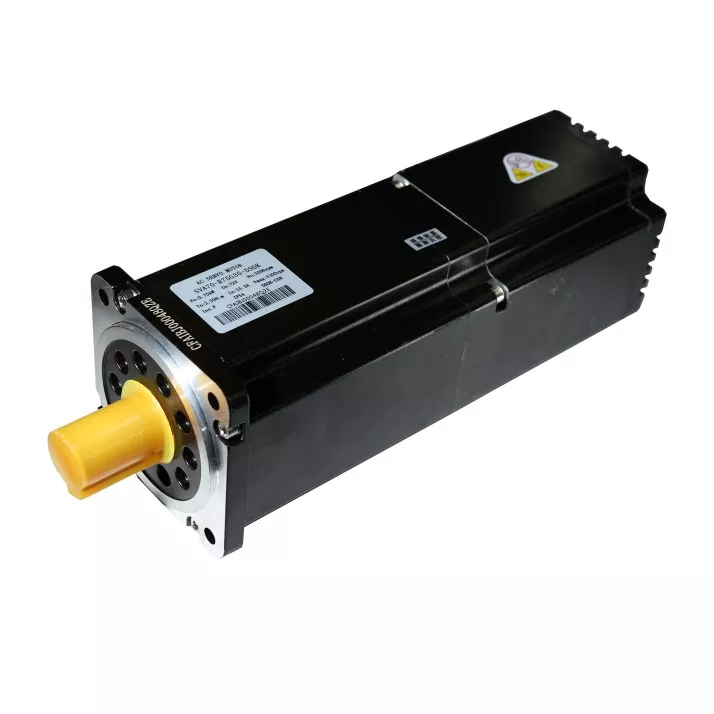
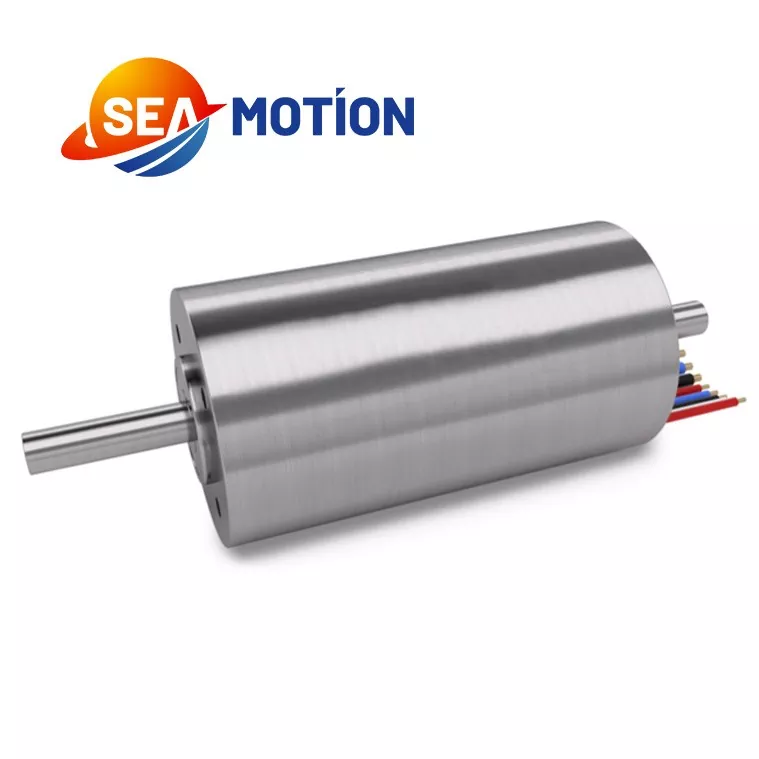
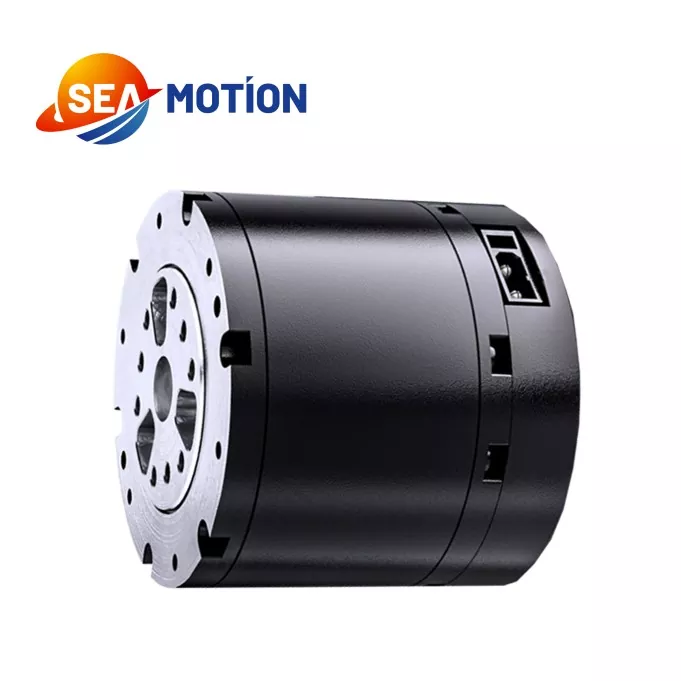
A typical configuration includes a frameless torque motor, planetary gearbox, encoder feedback system, and dedicated motor driver. Together, these components convert electrical energy into controlled mechanical motion while supporting torque transmission and position monitoring.
SEA MOTION provides a planetary joint module designed for industrial robotic precision control. Its planetary reduction architecture emphasizes structural simplicity and cost efficiency, making it a potential option for equipment developers who need dependable joint actuation without unnecessarily complicated mechanical integration.
The suitability of any module ultimately depends on its rated operating conditions, mechanical interfaces, control requirements, and the demands of the target application.
The performance of a robotic joint depends on the coordinated operation of its mechanical transmission, motor, feedback devices, and control electronics. Each component contributes to the overall motion-control process.
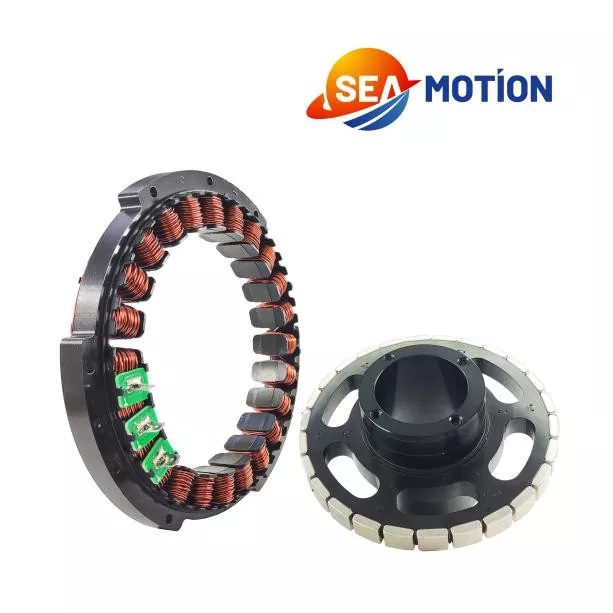
The motor generates rotational force when supplied with electrical power. A frameless design can help equipment manufacturers integrate the motor into a compact mechanical assembly, provided that the surrounding housing, mounting structure, and thermal management are appropriately engineered.
The planetary gearbox uses a central sun gear, surrounding planet gears, and a ring gear to transmit motion. Depending on its configuration and reduction ratio, the gearbox reduces output speed while increasing available output torque. This makes planetary transmission useful for robotic joints that require controlled movement and practical torque density.
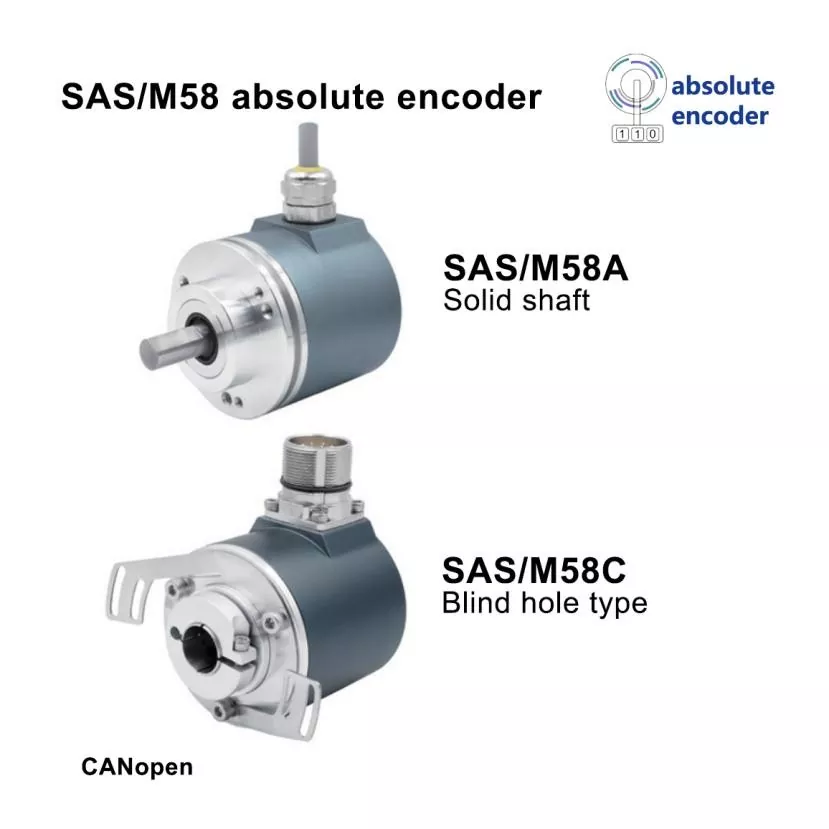
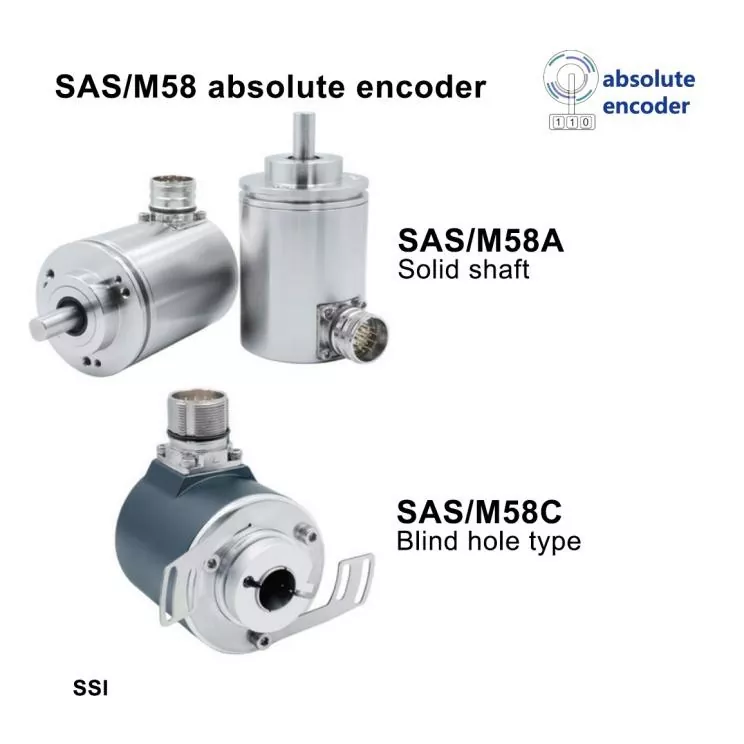
Encoders provide motion-related feedback to the control system. SEA MOTION's specified configuration incorporates two magnetic encoders, supporting motion sensing within the integrated assembly. The precise feedback functions and control architecture should be confirmed against the technical documentation for the selected model.
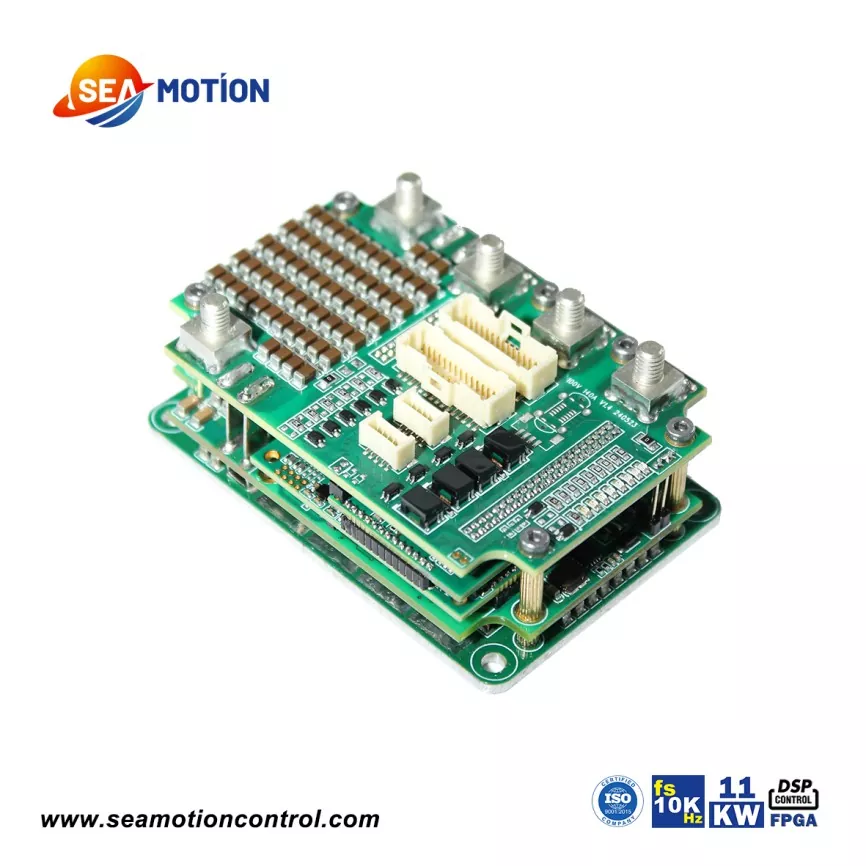
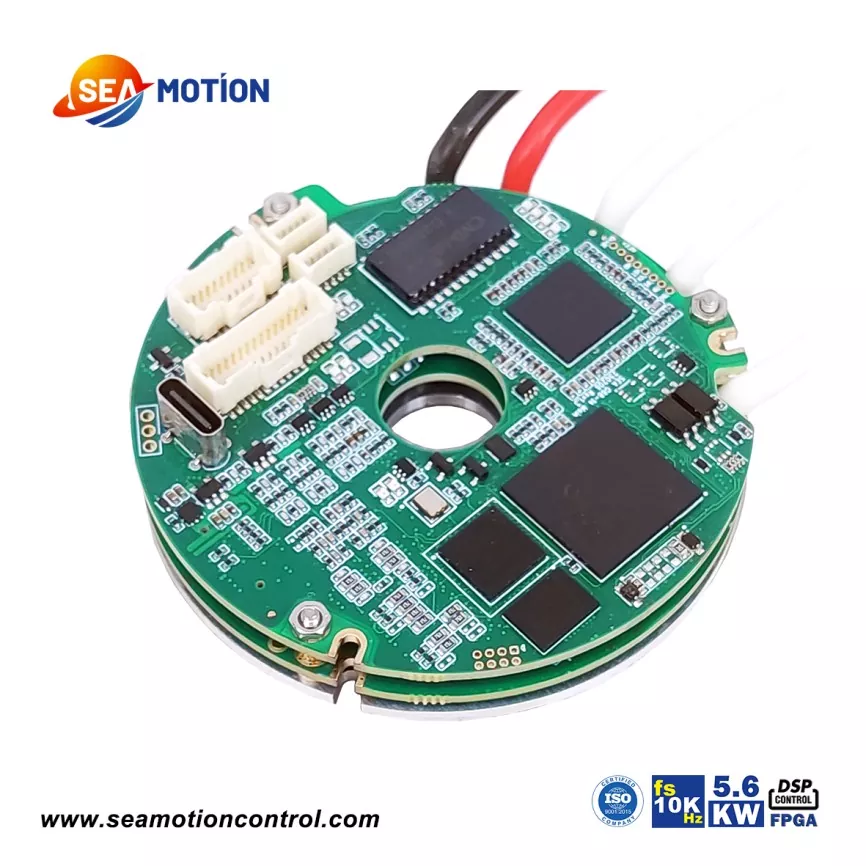
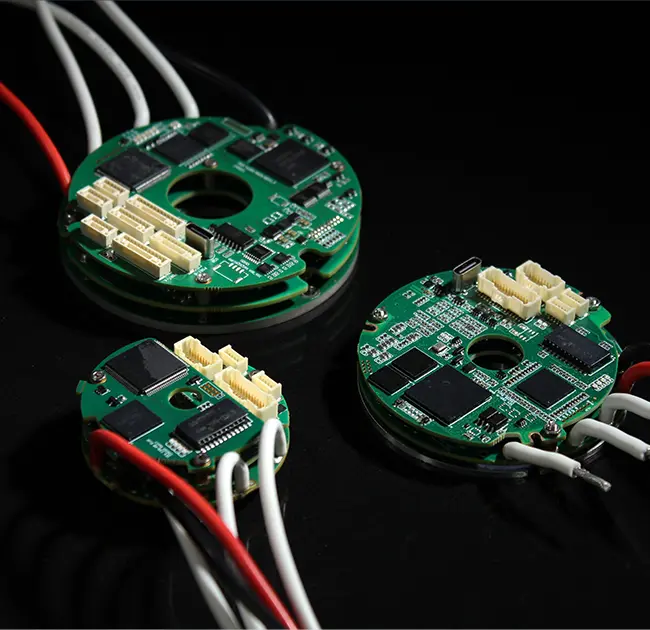
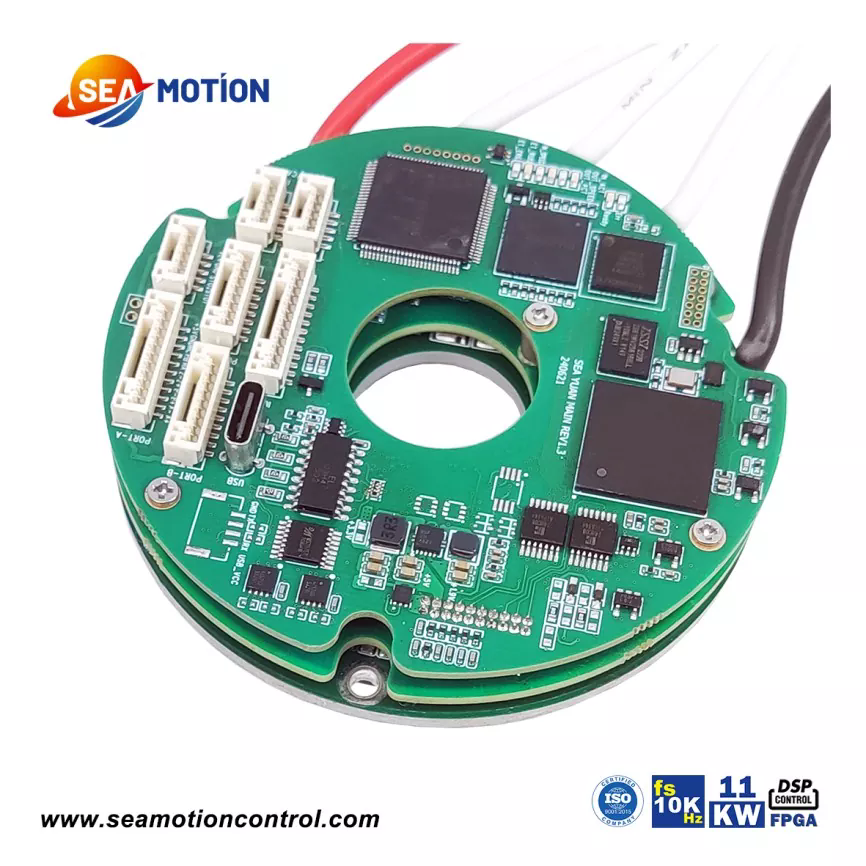
The driver manages motor operation according to control commands and available feedback. Integrating a matched driver can simplify system development, reduce component-matching work, and support more consistent commissioning than assembling an unverified combination of independent devices.
For a complete system, engineers should also verify controller compatibility, communication interfaces, electrical protection, and the control functions required by the application.
Technical specifications provide the foundation for evaluating whether a planetary joint module can satisfy a robot's operating requirements. The following values are published for SEA MOTION's planetary joint module and should be checked against the exact configuration being purchased.
| Parameter | Published Specification | Engineering Significance |
|---|---|---|
| Rated voltage | 48 V | Nominal electrical supply reference |
| Working voltage range | 24–60 V | Helps define power-system compatibility |
| Rated output power | 140 W ±10% | Reference for output power planning |
| Rated torque | 5 N·m | Reference for continuous operating requirements |
| Peak torque | 14 N·m | Reference for short-duration torque demands |
| No-load speed | 315 rpm ±10% | Indicates speed under the specified no-load condition |
| Rated-load speed | 260 rpm ±10% | Reference for operation under rated load |
| Gear ratio | 10:1 | Defines the transmission reduction ratio |
| Drive type | DSP | Identifies the published driver type |
| Encoder configuration | Two magnetic encoders | Supports feedback-based motion control |
| Weight | 310 g ±3 g | Relevant to moving mass and joint packaging |
| Working temperature | -20°C to 50°C | Defines the published operating temperature range |
| Working humidity | 5%–85% | Reference for environmental planning |
Important engineering note: Rated torque and peak torque represent different operating conditions. Peak torque should not be treated as a continuous-duty rating. The published load-duration information lists 5 N·m as rated operation, 7 N·m for 120 seconds, 10 N·m for 18 seconds, 12 N·m for 10 seconds, and 14 N·m for 5 seconds. Actual operating limits, cooling conditions, duty cycles, and permissible overload frequency should be confirmed with the manufacturer.
For additional information, visit the official SEA MOTION Planetary Joint Module product page.
An integrated planetary joint module can simplify robotic system development by bringing mechanical transmission and electronic motion-control components together. Its practical advantages depend on the application and the quality of system integration.
It is important to distinguish integration convenience from guaranteed system performance. Final accuracy, rigidity, service life, noise, and thermal behavior depend on the complete mechanical and electrical design.
Planetary joint modules are relevant to robotic applications that require controlled rotational movement, repeatable actuation, and an appropriate balance between performance and cost. SEA MOTION identifies several application categories for its planetary joint module.
Humanoid robots use multiple joints to coordinate arm, leg, and body movement. A suitable planetary joint module can provide actuation for selected joints when its torque capacity, speed, mass, and mechanical dimensions meet the design requirements.
Quadruped robots rely on coordinated leg movements to maintain balance and navigate different surfaces. Joint selection must account for impact loads, acceleration, repeated torque peaks, and the duty cycle associated with walking or running.
Collaborative arms require controlled movement across multiple axes. Engineers can evaluate planetary joint modules for suitable axes by considering payload, reach, joint speed, positional requirements, and the safety functions of the complete robot.
Automated picking systems need predictable movement to coordinate gripping, lifting, transferring, and releasing operations. A properly selected module may support these tasks while helping equipment designers manage assembly complexity.
Mobile robotic platforms and certain electric mobility systems also use compact electromechanical actuators. In these applications, engineers should carefully verify mechanical loads, vibration exposure, power consumption, environmental protection, and the suitability of the module for the intended operating cycle.
Not every module is suitable for every application. Outdoor operation, high-impact movement, washdown environments, and safety-critical robotic systems require specific verification rather than assumptions based on product category alone.
Choosing a planetary joint module involves more than comparing maximum torque or purchase price. A structured evaluation helps reduce the risk of oversizing, overheating, control incompatibility, and premature mechanical wear.
Providing the supplier with a clear application brief—including load profiles, target speed, motion cycle, installation drawings, and control requirements—makes it easier to evaluate the appropriate configuration.
Planetary and harmonic joint architectures address overlapping but different engineering priorities. The right choice depends on the relative importance of transmission characteristics, packaging, precision, torque requirements, and budget.
| Evaluation Factor | Planetary Joint Module | Harmonic Joint Module |
|---|---|---|
| Transmission principle | Planetary gear reduction | Harmonic gear reduction |
| Design priority | Practical cost and torque transmission | Precision-oriented motion and compact integration |
| Backlash considerations | Depends on gearbox design and manufacturing tolerances | Often selected when low backlash is a priority |
| Torque and speed | Depends on gear ratio, motor, and load conditions | Depends on model, reduction ratio, and operating conditions |
| Selection focus | Load capacity, efficiency, cost, and operating cycle | Positioning demands, backlash, packaging, and load conditions |
This comparison is qualitative rather than a substitute for model-specific testing. Neither architecture is universally superior. Engineers should compare verified torque-speed curves, backlash data, efficiency, stiffness, thermal limits, and service-life information before making a purchasing decision.
Explore SEA MOTION's Harmonic Joint Module to understand the alternative transmission approach and discuss which design better fits your robotic system.
Its primary function is to provide controlled rotational actuation at a mechanical joint. By integrating a motor, planetary reducer, feedback encoders, and a driver, the module helps robotic systems generate and manage joint movement.
The published rated torque is 5 N·m, with a peak torque of 14 N·m. These values refer to different operating conditions. The allowable duration and frequency of higher-torque operation should be considered during system design.
The published rated voltage is 48 V, and the working voltage range is 24–60 V. The power supply and associated electronics must also support the required current, transient demand, and applicable protection requirements.
It can support feedback-based motion control through its motor, encoder system, and dedicated driver. Actual positioning accuracy and repeatability depend on the complete configuration, gearbox characteristics, control tuning, and mechanical structure. Request model-specific performance data when precise positioning is essential.
Potential applications include humanoid robots, quadruped robots, collaborative arms, picking robots, and intelligent mobile equipment. Suitability must be assessed against the application's load profile, speed, environmental conditions, and safety requirements.
Share the required torque and speed, operating cycle, power supply, mechanical interface, control protocol, and environmental conditions with the manufacturer. Request a current datasheet and clarify any unlisted specifications before placing an order.
Visit the official Planetary Joint Module product page to submit an inquiry. For an accurate quotation, provide your target application, expected order quantity, technical requirements, and preferred delivery schedule.
A planetary joint module can be a practical motion-control solution for robotic equipment that requires integrated actuation, controlled torque transmission, and cost-conscious system design. By combining a frameless torque motor, planetary reducer, dual magnetic encoder feedback, and a dedicated driver, SEA MOTION offers an integrated option for engineers developing robotic joints and intelligent automation equipment. Successful implementation still depends on matching the module's verified specifications to the actual mechanical load, motion profile, control architecture, and working environment. If you are evaluating a planetary joint module for a new robot or upgrading an existing automation system, review the technical requirements with SEA MOTION and contact us to discuss product specifications, application suitability, and a quotation for your project.