
Article Summary: A Frameless Torque Motor is designed for applications where conventional housed motors, gearboxes, belts, and couplings create unwanted mechanical limitations. By separating the rotor and stator and integrating them directly into the machine structure, this motor architecture can deliver high torque density, low mechanical backlash, compact installation, smooth rotation, and responsive control. This article explains how Frameless Torque Motors work, why they are valuable in demanding motion systems, what engineers should consider during selection and integration, and how SEA MOTION supports customized solutions for robotics, machine tools, semiconductor equipment, medical systems, and other precision applications.
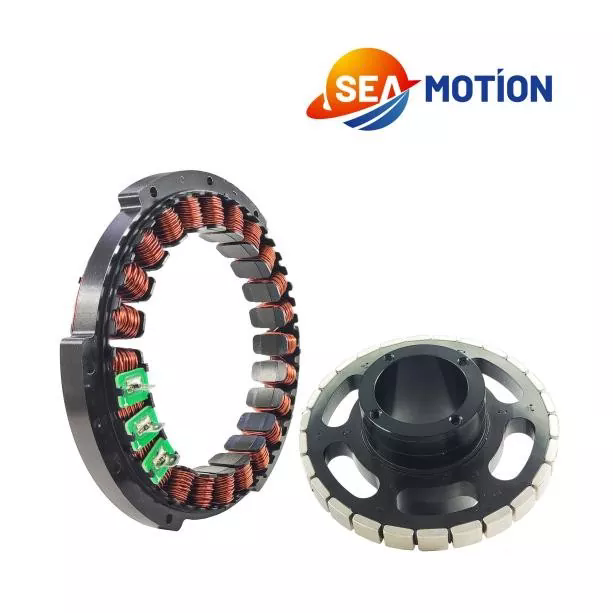
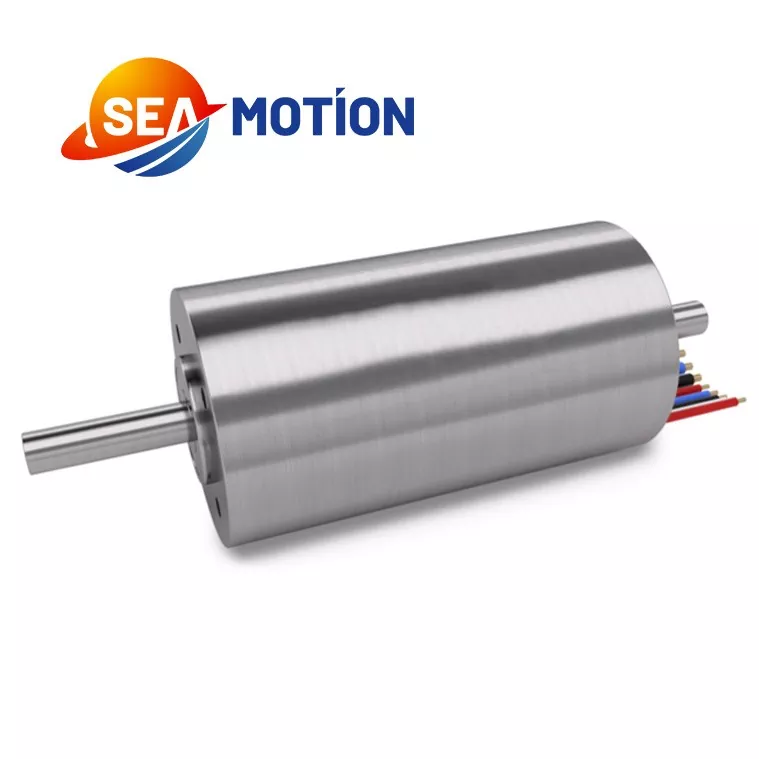
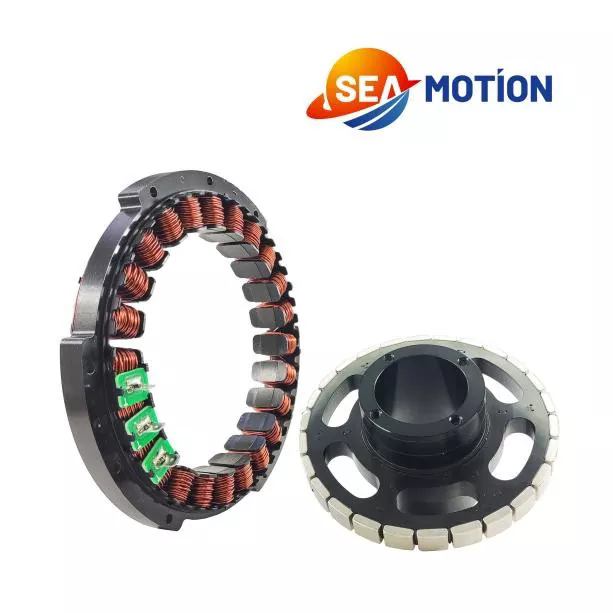
A Frameless Torque Motor is a permanent-magnet synchronous motor supplied without the conventional motor housing, integrated bearings, or built-in feedback device. Instead of receiving a complete enclosed motor, the machine builder receives the primary electromagnetic components—typically a stator and rotor—that can be incorporated directly into the final mechanical structure.
This configuration gives designers much greater freedom over the architecture of a motion system. The motor can be installed around a rotary joint, inside a robotic axis, beneath a rotary table, or around a precision mechanism where the available installation space is limited.
Unlike a traditional motor that normally transfers power through a gearbox, belt, pulley, coupling, or other transmission component, a Frameless Torque Motor can drive the load directly. Removing these intermediate mechanical elements can reduce mechanical compliance, transmission losses, backlash, vibration, and maintenance requirements.
For high-performance equipment, the objective is not simply to produce rotational movement. The real challenge is to produce that movement with the required torque, speed, stiffness, repeatability, smoothness, and response within a restricted mechanical envelope.
This is where the frameless architecture becomes particularly useful.
The operating principle is based on electromagnetic interaction between the permanent-magnet rotor and the energized stator windings.
The stator contains the electrical windings that generate a rotating magnetic field when controlled current is supplied. The rotor contains permanent magnets that interact with this magnetic field, producing rotational torque.
Because the rotor and stator are delivered as separate components, the surrounding machine structure can effectively become part of the motor assembly.
A typical system contains:
The result is a highly integrated motion system in which the motor is no longer an independent mechanical package. Instead, it becomes an integral part of the machine.
This approach is especially valuable when engineers need a large hollow shaft, compact axial dimensions, large output diameter, or direct-drive functionality.
The main benefit of a Frameless Torque Motor is design flexibility. However, several additional advantages can make this architecture attractive for precision machinery.
Torque density is particularly important when the motor must fit inside a small mechanical envelope. A properly selected frameless motor can provide substantial torque without requiring the physical space associated with a conventional motor and transmission assembly.
Direct drive eliminates many components traditionally used to transfer rotational power. There is no requirement for a gearbox simply to increase torque or reduce speed when the motor can be selected and controlled for the required operating point.
This can simplify the mechanical architecture and reduce the number of components that can introduce mechanical error.
Gear mechanisms can introduce backlash, particularly as components wear or when the transmission requires multiple stages. A direct-drive configuration avoids gear-tooth clearance as a source of positioning error.
For applications such as robotic joints and precision rotary stages, this can be a major advantage.
Because the motor does not require a traditional housing, designers can integrate the electromagnetic assembly into available structural space. This is useful when packaging constraints are severe.
Low cogging characteristics and appropriate control algorithms can contribute to smooth rotation. This is valuable for equipment where vibration, speed ripple, or torque disturbance can influence final product quality.
A frameless motor does not force the integrator to use one specific feedback device. The encoder can be selected according to the required resolution, accuracy, environmental conditions, communication protocol, and machine architecture.
This flexibility is useful for OEMs developing different machine platforms around a common motor family.
Frameless Torque Motors are particularly suitable for applications that require high torque, compact construction, direct drive, and accurate rotational control.
| Application | Why Frameless Design Is Valuable | Typical Design Priority |
|---|---|---|
| Robotic Joints | Compact integration and direct torque transmission | Torque density, stiffness, position accuracy |
| Machine Tools | Direct rotary drive with reduced transmission error | Precision, speed stability, thermal performance |
| Rotary Tables | Large-aperture and compact drive architectures | Torque, repeatability, runout |
| Medical Equipment | Compact and smoothly controlled motion | Low vibration, reliability, cleanliness |
| Semiconductor Equipment | High precision within restricted installation space | Position stability, thermal control, cleanliness |
| Precision Automation | Flexible mechanical integration | Dynamic response and repeatability |
In robotics, for example, the motor can be installed directly into a joint and combined with the designer's own bearings, housing, encoder, and structural components. This can produce a more compact joint than using a complete housed motor.
In precision rotary equipment, direct drive can also reduce the number of mechanical interfaces between the motor and the working load.
Motor selection should begin with the actual load requirements rather than the motor's nominal torque alone. A motor that looks suitable based on peak torque may perform poorly if continuous thermal loading, acceleration requirements, or feedback accuracy are overlooked.
Engineers should evaluate the following parameters.
It is also important to distinguish between a motor's theoretical capability and its performance inside the finished machine. Bearing friction, structural stiffness, heat dissipation, encoder installation, rotor balancing, and drive tuning can all influence the final result.
Heat is one of the most important engineering considerations when designing a direct-drive motion system.
Electrical resistance in the stator windings generates heat during operation. As winding temperature increases, electrical resistance also increases, which can affect efficiency and available continuous torque.
For applications requiring sustained high torque, engineers commonly consider active liquid cooling integrated into the stator structure. Water or water-glycol cooling can provide a controlled path for removing heat from the motor assembly.
For lower-duty applications, natural convection or forced-air cooling may be sufficient depending on the motor size, installation conditions, ambient temperature, and duty cycle.
A practical thermal design should consider:
Temperature sensing should also be integrated into the control strategy. If the winding temperature approaches its allowable limit, the drive can reduce current or torque demand to protect the motor.
For semiconductor, laboratory, medical, or cleanroom equipment, cooling design may require additional attention because the cooling solution must not introduce contamination or undesirable particles into the operating environment.
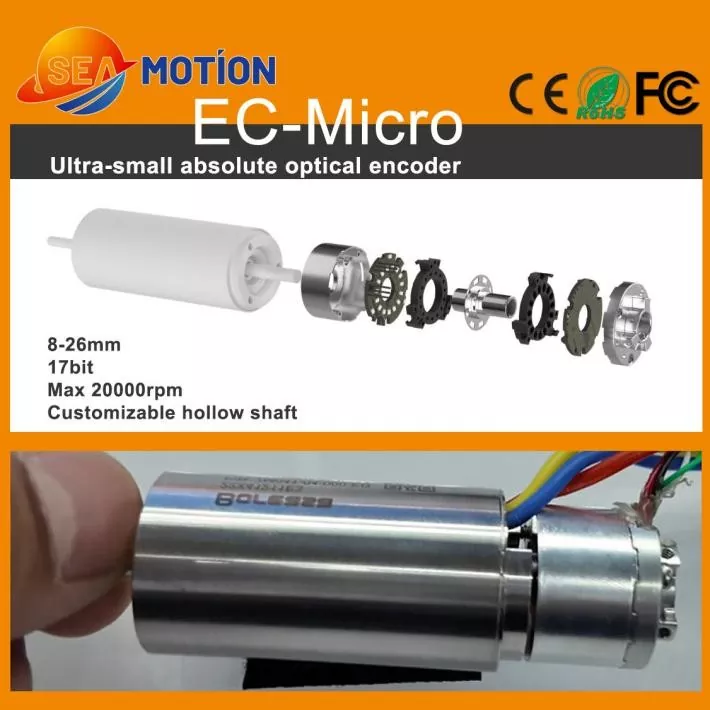
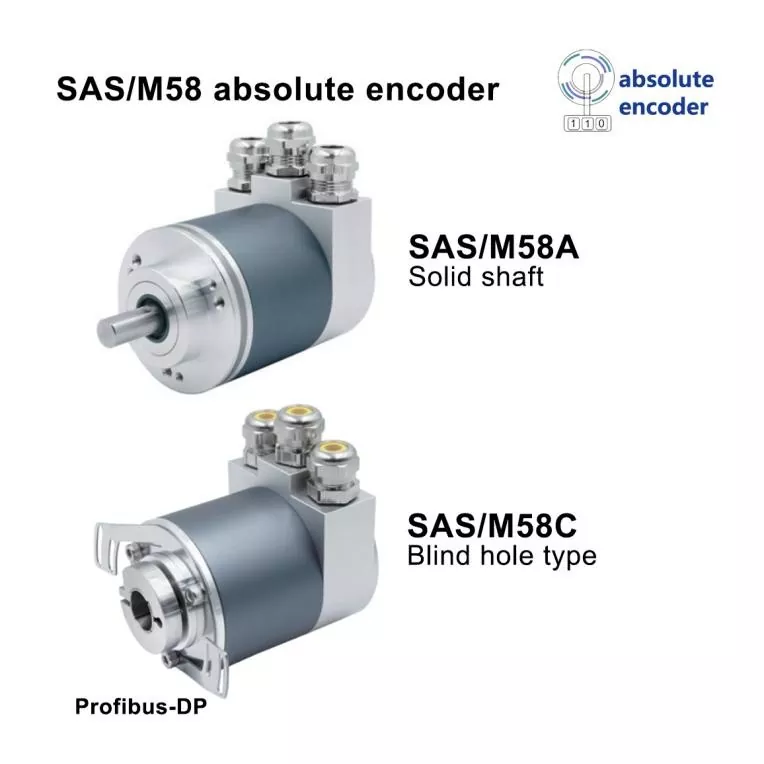
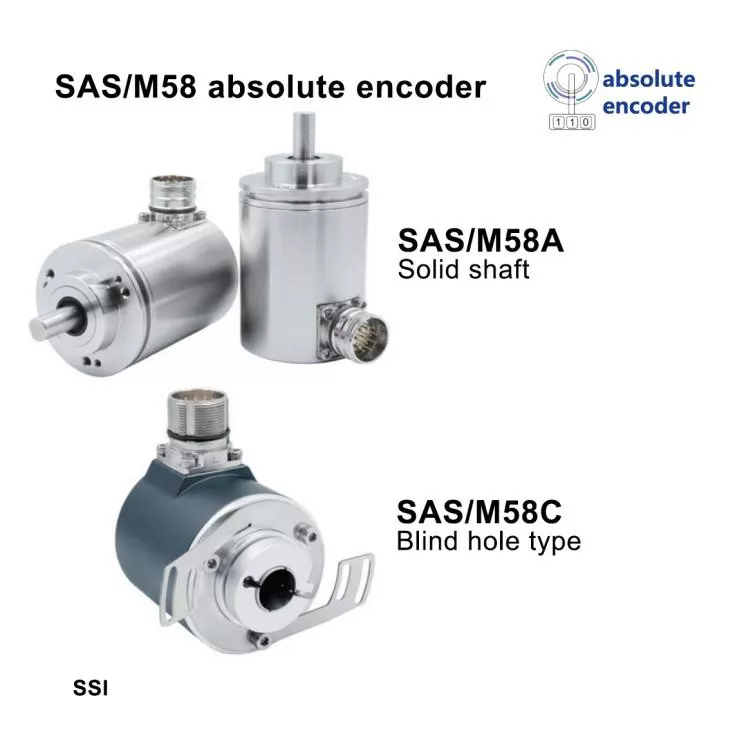
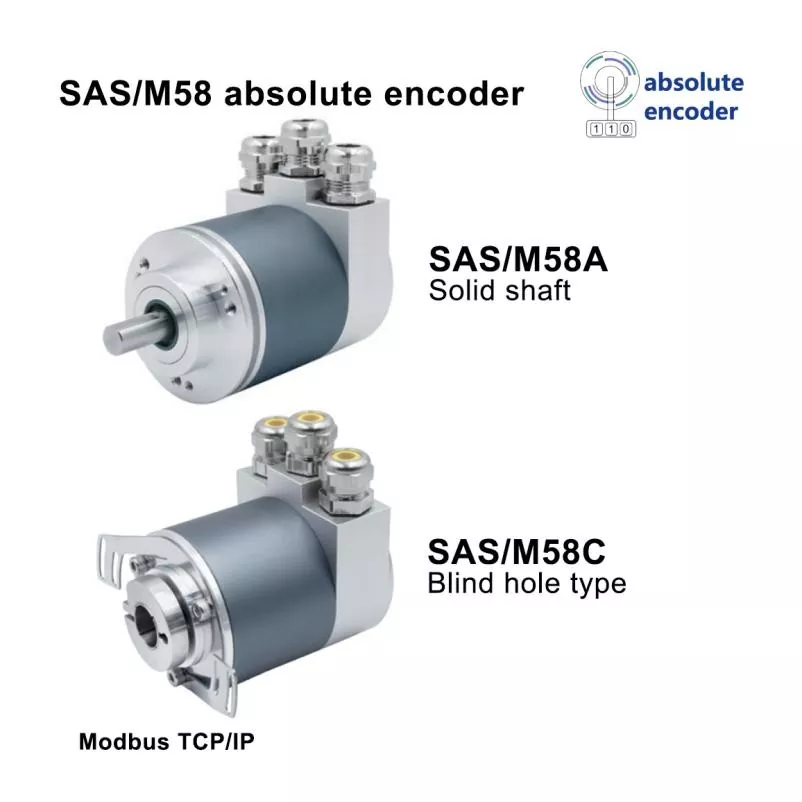
A Frameless Torque Motor does not normally include a built-in encoder. This gives machine designers the freedom to select a feedback technology that matches the final system.
Possible feedback technologies include optical, magnetic, inductive, and absolute encoder systems. The correct choice depends on the required position resolution, environmental conditions, communication protocol, speed, cost, and mechanical arrangement.
High-resolution feedback is especially important when the application requires extremely smooth movement or precise angular positioning.
The encoder should not be treated as an independent component. The motor, encoder, drive, bearing system, and machine structure must operate as one control system.
For example, an encoder may provide excellent nominal resolution but still produce unsatisfactory system performance if its mechanical mounting introduces eccentricity or runout. Likewise, a high-performance motor can fail to deliver its potential if servo parameters are poorly tuned.
Therefore, feedback integration should be considered during the mechanical design stage rather than added after the motor has already been selected.
Frameless construction creates design freedom, but it also transfers more responsibility to the machine builder. The surrounding mechanical structure becomes an important part of the motor system.
Several areas deserve particular attention.
The rotor and stator must maintain the required air gap throughout operation. Excessive eccentricity can affect electromagnetic performance and may increase vibration or mechanical risk.
A flexible mounting structure can compromise the advantages of a high-performance motor. Structural deformation under load may become a source of positioning error even when the motor itself has excellent electromagnetic characteristics.
Because the frameless motor does not normally include bearings, the machine designer must select bearings according to radial load, axial load, speed, stiffness, life expectancy, and accuracy requirements.
High-speed applications require careful attention to rotor balance. Mechanical imbalance can generate vibration and reduce the quality of motion control.
For hollow-axis systems, the available inner diameter can provide a convenient path for cables, pneumatic lines, optical components, or other machine elements. Cable movement should nevertheless be evaluated carefully to avoid interference with rotating components.
SEA MOTION provides Frameless Torque Motor solutions for high-end motion-control applications where standard housed motors may not offer sufficient integration flexibility.
According to its product information, SEA MOTION's frameless motor approach is intended for industries including robotics, machine tools, semiconductor equipment, medical equipment, universities, research institutions, and advanced manufacturing. The company supports both standard products and application-specific customization.
Customization can be important when a standard motor does not fit the available mechanical envelope. Depending on application requirements, modifications may involve axial dimensions, inner diameter, winding arrangements, voltage requirements, and feedback-related configurations.
For OEM projects, this engineering support can reduce the gap between component selection and final machine integration. Instead of selecting a motor based only on a catalog number, engineers can evaluate the motor as part of the complete motion architecture.
SEA MOTION also describes testing procedures covering electrical characteristics and rotor performance, with manufacturing controls applied to important motor parameters. Its documentation support includes technical drawings, 3D files, integration information, and drive-related materials.
This type of technical support is especially valuable for OEMs that need to move from prototype development to repeatable production without redesigning the complete motion system.
| Factor | Frameless Torque Motor | Conventional Housed Motor |
|---|---|---|
| Mechanical Integration | Highly customizable | Usually based on fixed housing dimensions |
| Transmission | Well suited to direct drive | May require coupling, belt, or gearbox |
| Backlash | Can minimize transmission-related backlash | May depend on transmission components |
| Feedback | Flexible encoder selection | Often predetermined or integrated |
| Housing | Provided by machine designer | Integrated by motor manufacturer |
| Customization | High | Generally more limited |
| Installation | Requires greater engineering responsibility | Usually simpler |
| Ideal Use | Compact, high-performance, integrated machinery | General-purpose motor applications |
The comparison does not mean that frameless motors are automatically better for every machine. A conventional housed motor can be the more practical choice when fast installation, standardized mounting, or simple maintenance is the primary objective.
The frameless architecture becomes especially compelling when packaging, direct drive, torque density, precision, and system-level integration are more important than plug-and-play installation.
Before approving a Frameless Torque Motor for production, engineers should review the complete system rather than evaluating the motor in isolation.
This checklist helps prevent a common engineering problem: selecting a motor that meets the nominal torque requirement but fails to meet the real mechanical, thermal, or control requirements of the finished machine.
A standard servo motor normally comes as a complete mechanical package with a housing, bearings, and often an integrated feedback device. A Frameless Torque Motor provides separate rotor and stator components so the machine builder can design the surrounding housing, bearing arrangement, and feedback system.
Most precision applications require feedback for closed-loop control, although the exact sensor depends on the application. Because the encoder is not inherently fixed to the motor package, engineers can select feedback according to accuracy, resolution, environmental, and communication requirements.
Yes. Direct drive is one of the primary reasons engineers choose this architecture. The motor can be integrated directly with the rotating load, avoiding mechanical transmission components such as gearboxes, belts, and couplings where the application permits.
Cooling is critical when the motor operates continuously at high torque. The required solution depends on the duty cycle, motor dimensions, ambient conditions, installation structure, and allowable winding temperature. Liquid cooling is often considered for demanding continuous-duty applications.
Yes. SEA MOTION describes support for customized motor configurations, including dimensional changes, winding adaptations, inner-diameter modifications, and feedback-related integration for OEM applications.
They are well suited to many robotic joint designs because the rotor and stator can be incorporated directly into the joint structure. This can help reduce package size while providing direct torque transmission and flexible encoder integration.
Engineers should consider heat removal, bearing materials, lubrication, cable routing, surface cleanliness, particle generation, and the compatibility of the complete assembly with the cleanroom environment. Cooling systems should also be designed to avoid introducing unwanted particles or contamination.
In suitable applications, yes. A direct-drive frameless motor can eliminate the gearbox and associated transmission components. However, the motor must provide sufficient continuous and peak torque at the required speed, and the machine structure and bearings must be designed to handle the resulting load.
A Frameless Torque Motor provides a different way to approach motion-system design. Rather than treating the motor as a self-contained component, it allows the motor to become part of the machine's mechanical architecture.
By combining a separate rotor and stator with an appropriate bearing system, encoder, drive, cooling solution, and structural design, engineers can create compact direct-drive systems with high torque density, low transmission-related backlash, smooth motion, and strong control performance.
The most important consideration is system-level engineering. Torque, speed, inertia, thermal behavior, feedback resolution, mechanical stiffness, alignment, bearing performance, and drive compatibility must all be evaluated together.
For OEMs and equipment manufacturers developing robotic joints, precision rotary stages, machine tools, semiconductor equipment, medical devices, and advanced automation systems, the right motor architecture can have a significant effect on the size, performance, reliability, and long-term maintainability of the final machine.
SEA MOTION provides Frameless Torque Motor solutions with customization and engineering support for demanding motion-control applications. If you are developing a new precision motion platform or need a motor that fits a specific mechanical envelope, contact us to discuss your torque, speed, dimensions, feedback, cooling, and integration requirements.