
Article Summary
Heavy Duty Encoder technology plays an essential role in modern industrial automation systems where accurate position feedback, reliable operation, and long service life are required. Unlike standard encoders designed for general environments, heavy duty encoders are engineered to withstand harsh working conditions such as vibration, dust, moisture, extreme temperatures, and continuous mechanical stress. This article explains how Heavy Duty Encoder solutions improve motion control performance, why industries need them, what factors should be considered during selection, and how advanced encoder technology helps companies achieve higher productivity and operational stability.
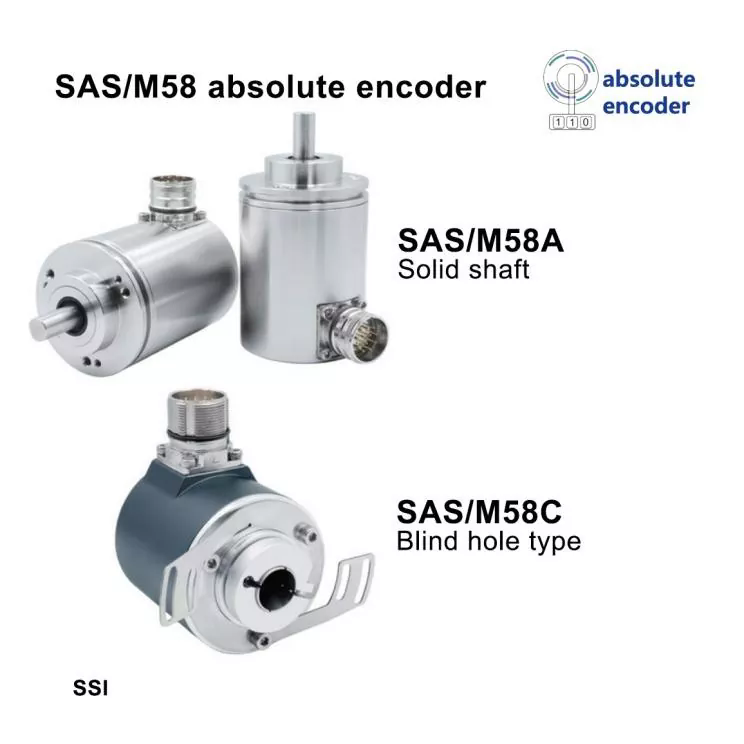
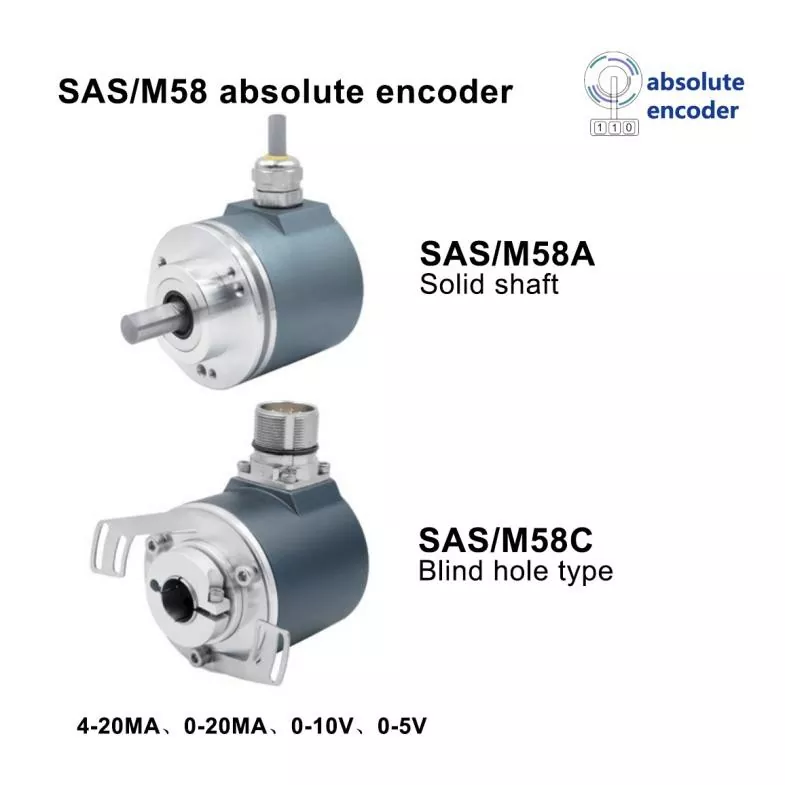
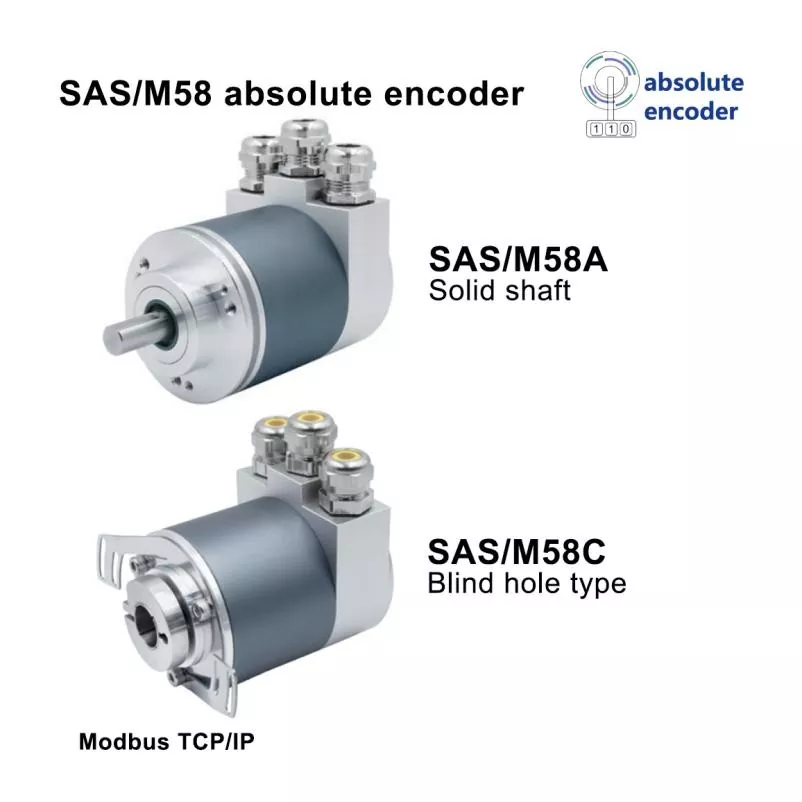
A Heavy Duty Encoder is an advanced feedback device designed to monitor and transmit motion information in demanding industrial environments. It converts mechanical movement, such as rotation or linear displacement, into electrical signals that control systems can understand.
In automated production lines, motors and machines require precise feedback to maintain speed control, positioning accuracy, and operational safety. A standard encoder may perform well under normal conditions, but industrial environments often expose equipment to challenges including high vibration, contamination, temperature changes, and long operating hours.
Heavy Duty Encoders are specifically developed to overcome these challenges. They typically feature reinforced housings, stronger bearings, enhanced sealing structures, and optimized electronic components to provide dependable performance even under difficult conditions.
Industrial automation depends heavily on accurate feedback. When an encoder fails, the entire control system may lose position information, resulting in production interruptions, equipment damage, or reduced product quality.
A Heavy Duty Encoder helps solve several common industrial problems:
| Industrial Challenge | How Heavy Duty Encoder Helps |
|---|---|
| High vibration during operation | Reinforced mechanical structure improves stability and reduces failure risks. |
| Dust and moisture exposure | Sealed housing protects internal components from environmental damage. |
| Continuous machine operation | Durable components support long-term reliability. |
| Need for precise positioning | High-resolution feedback improves motion accuracy. |
| Harsh temperature conditions | Industrial-grade materials maintain stable performance. |
For industries where downtime creates significant financial losses, choosing a durable feedback solution is not only a technical decision but also an important production strategy.
A Heavy Duty Encoder operates by detecting mechanical movement and converting it into digital or analog signals. These signals are transferred to controllers, servo drives, PLC systems, or other automation equipment for processing.
The basic working process includes:
Depending on the application requirements, Heavy Duty Encoders may use different technologies, including incremental, absolute, optical, and magnetic sensing methods. The correct technology selection depends on accuracy requirements, operating environment, and system compatibility.
The performance of a Heavy Duty Encoder depends on several design characteristics. High-quality industrial encoders are built with features that improve durability and operational efficiency.
| Feature | Performance Advantage |
|---|---|
| Strong protective housing | Provides resistance against impact, dust, and environmental conditions. |
| High-quality bearings | Supports smooth rotation and extends service life. |
| Advanced sensing technology | Ensures accurate feedback and stable signal output. |
| Industrial-grade sealing | Prevents moisture and contaminants from entering internal components. |
| Flexible communication options | Allows integration with different automation systems. |
These features make Heavy Duty Encoders suitable for applications where reliability and precision cannot be compromised.
Selecting the correct Heavy Duty Encoder requires careful evaluation of the working environment and system requirements. Choosing an unsuitable encoder can lead to inaccurate feedback, frequent maintenance, and unnecessary replacement costs.
Heavy Duty Encoders are widely used in industries that require accurate motion monitoring and reliable automation control.
In these environments, equipment often operates continuously under demanding conditions. A reliable encoder helps maintain stable production performance and reduces unexpected machine downtime.
Implementing Heavy Duty Encoder technology provides multiple advantages for industrial users:
| Benefit | Industrial Impact |
|---|---|
| Improved accuracy | Enables precise speed and position control. |
| Higher durability | Reduces replacement frequency and maintenance costs. |
| Better machine efficiency | Supports stable automated production. |
| Reduced downtime | Improves equipment availability and productivity. |
| Strong environmental adaptability | Allows operation in challenging industrial conditions. |
For manufacturers seeking reliable motion control components, Heavy Duty Encoder solutions provide a practical way to improve equipment performance and maintain consistent production quality.
A Heavy Duty Encoder is designed with stronger mechanical structures, improved protection, and industrial-grade components to operate reliably in harsh environments. Standard encoders are usually intended for cleaner and less demanding applications.
Yes. Many Heavy Duty Encoder models are designed for outdoor and industrial applications where exposure to dust, moisture, vibration, and temperature changes is common.
The service life depends on operating conditions, installation quality, and maintenance practices. A properly selected and installed Heavy Duty Encoder can provide reliable performance for many years.
Industries involving heavy machinery, automated production, transportation systems, energy equipment, and continuous manufacturing processes commonly require Heavy Duty Encoder technology.
Jingyue Kunshan Automation Technology Ltd. focuses on providing reliable automation components designed for industrial motion control requirements. With professional experience and advanced technology, the company delivers encoder solutions that help customers improve equipment accuracy, stability, and efficiency.
As industrial automation continues to develop, reliable motion feedback becomes increasingly important. A high-performance Heavy Duty Encoder can help businesses achieve better control accuracy, reduce maintenance challenges, and improve overall production reliability.
Jingyue Kunshan Automation Technology Ltd. provides professional Heavy Duty Encoder solutions designed to meet different industrial application requirements. By combining durable construction, precise feedback technology, and dependable performance, the company supports customers in building more efficient automation systems.
If you are looking for a reliable Heavy Duty Encoder solution customized for your industrial equipment, please contact us today to discuss your application needs and receive professional support from Jingyue Kunshan Automation Technology Ltd.